
Why Certain Smells Trigger Headaches, Allergies & Asthma...
Headaches, unfortunately, are something many people deal with on a daily basis. I have suffered from neck problems and headaches for as long as I can remember.
But aside from my neck causing headaches, certain smells trigger headaches for me as well.
For me, many smells trigger headaches like:
- Walking through the perfume department at a store.
- Walking through the detergent aisle at the grocery store.
- Cleaning with conventional cleaners.
- Wearing perfume or opening a magazine with a perfume sample in it.
- Febreze and other air fresheners.
I don't know why it took me so long, but I finally decided to looking into these smells that were triggering my headaches.
And the results weren't pretty.
Perfumes, detergents, conventional cleaning products and air fresheners contain a myriad of toxic chemicals that are harmful when exposed to. But the one I want to talk about today is "Fragrance".
It is such a simple word and it sounds so innocent, but according to the Campaign for Safe Cosmetics: Fragrance is considered a trade secret, so companies don’t have to tell us what’s in it – often dozens or even hundreds of synthetic chemical compounds....
So basically companies can put whatever they want in their products to make them smell *good*, call it "Fragrance" and they don't have to reveal the ingredients.
What chemicals are found in "Fragrance"?
Some of the chemicals found in fragrances are cocamide dea (as a detergent), acetone, ethanol, propylene glycol (industrial antifreeze), and sodium lauryl sulfate.
What are the side effects of "Fragrance"?
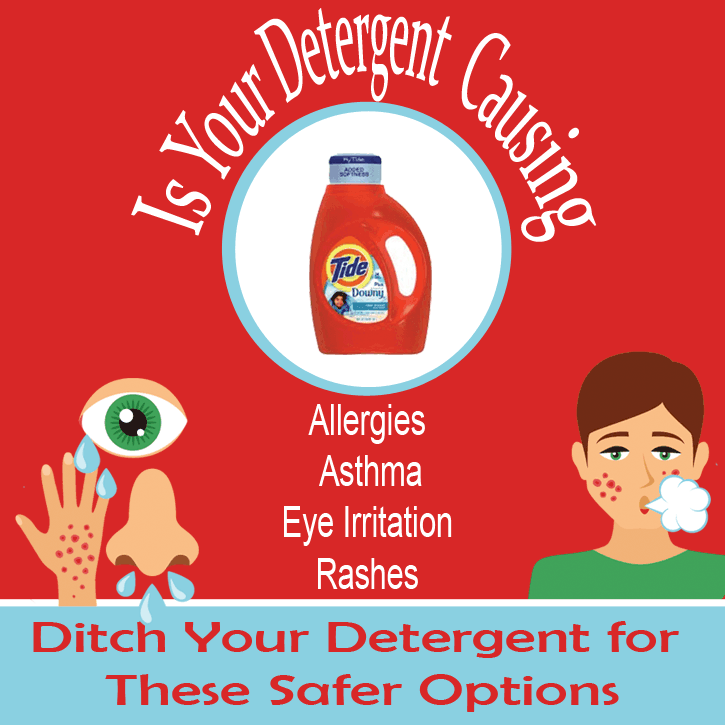
Some of the side effects of these fragrances when inhaled include various respiratory irritations such as asthma, allergies and headaches.
According to site invisibledisabilities.org, the EPA conducted a study that found:
Numerous chemicals and organic compounds commonly used in fragrance products, including, among others: acetone; benzaldehyde; benzyl acetate; benzyl alcohol; camphor; ethanol; ethyl acetate; limonene; linalool; methylene chloride, one or all of which, or in combination with one another, cause , when inhaled, ‘central nervous system disorders, dizziness, nausea, incoordination , slurred speech, drowsiness, irritation to the mouth, throat, eyes, skin, lungs and GI tract, kidney damage headache, respiratory failure, ataxia, and fatigue, among other symptoms and illnesses.
Certain chemicals in fragrances may even cause hormone disruptions and they may even accumulate in breast milk.
What safer options are available?
Some alternatives to chemical fragrances include essential oils or botanical fragrances made from raw materials obtained from nature, such as from flowers or fruits or even tree bark.
Making your own cleaning products and personal care products is another great option.
Check out these helpful links for more ideas and tips to eliminate those smells triggering headaches and other harmful side effects:
15 Tantalizing Essential Oil Perfume Recipes
Is Your Perfume Poisoning You?
50 Non-Toxic DIY Cleaning Recipes (Love the all purpose & laundry recipes in this guide)
Not So Sexy - The Health Risks of Secret Chemicals in Fragrance
This is a great thing to consider when trying to find yummy scents for your home. This is EXACTLY why I use Scentsy products for good smells rather that store bought candles, lotions, body sprays and laundry stuff!!
Limonene and linalool are both natural compounds found in citrus fruits and plants like basil/ coriander. .. so why are these considered "Chemicals" in this blog? They are chemical constituents within the natural plant..I get the other stuff...but not this.
Linalool is classified as a moderate hazard in the EWG's Skin Deep database. It is considered a terpene, or organic compound, so lumping this ingredient in with "chemicals" may be innacurate, but it does still have tendencies to cause allergic reactions.
And according to EWG, "Limonene is a scent ingredient and solvent naturally occurring in the rind of citrus fruit. Upon storage and exposure to sunlight and air, limonene degrades to various oxidation products which act as skin and respiratory irritants and sensitizers."
A "smell" or scent is actually caused by tiny molecules of chemicals (both natural and synthetic) in the air around us, they also embed in furnishings, clothes, hair, skin, dust etc, and are stirred up when we come into contact with these things. We cannot see them but they continue to circulate and can do a great deal of harm when they are breathed in.
Your article is great, except that you left out a very important group of sufferers, people like me, who are prisoners in their own homes because the chemicals in perfumes, deodorants, aftershaves, hairspray, household and personal care products, as well as pesticides, glues, traffic fumes and all the other chemical pollutants out there, make the environment an incredibly dangerous place to venture into.
Multiple Chemical Sensitivities, or Environmental Illness, is one of the fastest growing health concerns of our time and usually occurs after several years of exposure to these dangerous chemicals, the reactions in the body build up and become more and more sensitive. (Although it can happen after a sudden, severe exposure as well).
People start to notice that they react to certain "smells" and have symptoms such as you describe. After a while they can become extremely disabled and no longer able to function in Society. There is no cure for this and only avoidance helps. Thus, we become shut off from functioning as normal human beings, work, socialising, shopping, eating out, going out in public and even associating with family becomes next to impossible.
Symptoms vary from the ones you describe in your article all the way to anaphylactic reactions, and even death.
Essential oils can also be a problem, as, unless they are certified organic, they can still contain artificial elements, even if the company claims they are "all natural", and the immune system can still react to them if it recognises that particular scent molecules as a danger.
Heather, thank you so much for sharing this information. I am so sorry that you are dealing with these sensitivities. 🙁