Rosehip Seed Oil Benefits for Skin: How to Use, Where to Buy + DIY Recipes!

Rosehip Seed Oil, also known as Rosehip Oil, is a lovely option if you’re looking for a carrier oil that helps soften dry skin. Let’s look at how to use it, what it can realistically do, and some DIY recipes to try!
Rosehip Oil is rich in fatty acids that help soften skin and reduce moisture loss. Rosehip fruit is known for vitamin C, but the seed oil isn’t a reliable source of it or a substitute for a vitamin C serum.

Rosehip Seed Oil Quick Facts
| Rosehip Seed Oil Scientific Name: |
| Rosehip oils can come from different Rosa species, including Rosa rubiginosa and Rosa canina. Check your supplier’s botanical identity and whether the oil is made from seeds, fruit, or a combination. |
| Rosehip Seed Oil Comedogenic Rating: |
| Rosehip Oil is commonly given a comedogenic rating of 1. Treat that as a guide, not a guarantee: the finished formula and your own skin matter more than a single rating. |
| Rosehip Seed Oil Extraction Method: |
| Rosehip Seed Oil is extracted from the seeds of wild rosehip fruit. This plant is typically grown in Chile. Rose hips are cold-pressed, or chemically processed to extract the oil from them. |
| Rosehip Seed Oil INCI Name: |
| Use the exact INCI supplied with your oil. The declared species and seed/fruit material can differ between products sold as rosehip oil. |
| Rosehip Seed Oil Skincare Recommendations: |
| Rosehip Seed Oil is used by people with a range of skin types, but it won’t suit everyone. Patch test first, especially if your skin is sensitive or prone to breakouts. |
| Rosehip Seed Oil Absorption Rating: |
| Rosehip Oil is often described as a dry-feeling oil. How light or greasy it feels depends on the amount you use, the formula, and your skin. |
Rosehip Seed Oil Composition
| Oleic Acid (C18:1) | 14-16% |
| Palmitic Acid (C16:0) | 3.4-4.4% |
| Linoleic Acid (C18:2 ⍵-6) | 43-46% |
| α-Linolenic Acid (C18:3 ⍵-3) | 31-34% |
| Stearic Acid (C18:0) | 1.5-2.5% |
*Fatty acid breakdown is shared from Modern Cosmetics Volume 1.
This is a reported composition range, not a specification for every bottle. The species, growing conditions, and extraction method can affect the fatty-acid profile.
What is Rosehip Seed Oil?

Rosehip Seed Oil is a plant oil used in cosmetics to soften skin and help reduce moisture loss. Think of it as a moisturizing ingredient, rather than a treatment for skin conditions.
Its fatty acids make rosehip seed oil a useful emollient for skin that feels dry. The oil and vitamin-C-rich rosehip fruit are different ingredients, so their benefits shouldn’t be treated as interchangeable.
Rosehip Oil can be a comfortable addition to a moisturizing routine, but sensitive skin can still react to it. Patch test first and pay attention to how your skin responds.
Rosehip Seed Oil Benefits for Skin

Rosehip seed oil’s most practical benefit is helping skin feel soft and moisturized. It isn’t a vitamin C treatment, and there isn’t strong evidence that the oil alone tightens pores, speeds cell turnover, or fades age spots.
Rosehip Oil helps reduce moisture loss and keeps skin feeling soft and supple. Well-moisturized skin can make fine lines and wrinkles look less noticeable, but that doesn’t mean rosehip oil has been shown to boost collagen or reverse skin aging.
Rosehip seed oil has been studied for the appearance of post-surgical scars, with some encouraging but preliminary results. That doesn’t establish it as a treatment for every scar or dark spot. For a new wound or surgical scar, follow your clinician’s aftercare advice rather than adding an oil on your own.
Popular Rosehip Seed Oil Uses for Skin

Rosehip Seed Oil is often used in moisturizers and serums. Because it is a mild oil that is well absorbed, it is great for use in a variety of products.
Rosehip Oil works well in an evening moisturizing routine when you enjoy the feel of a facial oil. It helps soften skin and reduce moisture loss; it doesn’t need to promise overnight repair to be useful.
Its versatility also allows it to be used in a variety of other products including eye serums, facial oil blends, and creams.
If your skin feels dry, rosehip seed oil may be worth trying as part of your moisturizing routine. Results and tolerance vary, so start small and stop if it irritates your skin.
How to Use and Store Rosehip Seed Oil
After patch testing, smooth a small amount over clean, slightly damp skin or over your usual water-based serum. Start with less than you think you need and add moisturizer if your skin still feels dry. You can also use rosehip oil in a well-formulated facial oil, balm, or cream.
Rosehip oil is rich in polyunsaturated fatty acids, which makes it more prone to oxidation than oils such as jojoba. Keep it tightly capped, away from heat and light, and follow your supplier’s storage instructions and best-by date. Replace it if its smell changes noticeably or seems rancid. Adding an antioxidant doesn’t make an oil last forever, and an oil doesn’t preserve a recipe that contains water.
Rosehip Seed Oil Substitutes
Rosehip Seed Oil is lovely, but if you need a substitute, choose it for the role it plays in your recipe: skin feel, fatty-acid profile, and stability. Don’t choose a carrier oil as a source of vitamin C.
Jojoba Oil, Hemp Seed Oil, and Baobab Seed Oil are options to consider, but they aren’t identical substitutes. Jojoba is a liquid wax and is more resistant to oxidation. Hemp seed oil has a different fatty-acid balance and also needs careful storage. Baobab oil has its own skin feel and composition. A swap can change the feel and stability of a finished recipe, so start with a small test batch.
Looking specifically for a Vitamin C recipe? See our Vitamin C serum guide.
Warnings/Contraindications for Rosehip Seed Oil
Rosehip Oil can cause irritation or an allergic reaction, just like other plant oils. Try a small amount on a limited area of intact skin before using it more widely. Stop if you notice redness, itching, irritation, or new breakouts. A home patch test can’t guarantee that you won’t react later. Keep the oil out of your eyes and follow your clinician’s advice for broken skin or skin conditions.
Where to Buy Rosehip Seed Oil
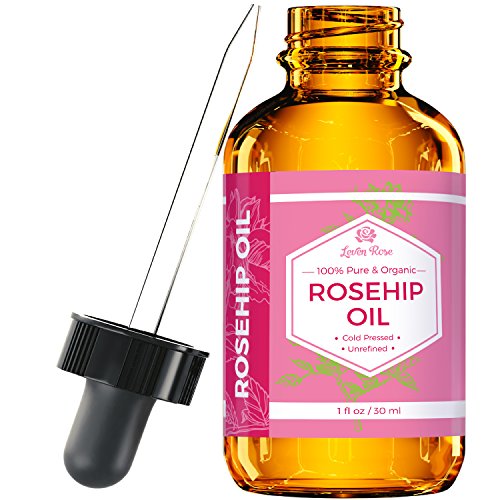
Rosehip Seed Oil by Leven Rose | Amazon
LevenRose is a best selling MADE IN THE USA American brand Amazon naturals beauty company that stands behind their products and oils with their Satisfaction Guarantee. They promise you will love it or they'll refund it.

Rosehip Seed Oil | Mountain Rose Herbs
Mountain Rose Herbs is committed to putting people, plants, and planet before profit with everything they do. They are committed to sustainability, and a certified Zero Waste company. They currently only offer shipping to the United States & Canada.

Certified Organic Rosehip Seed Oil | Soapmaker's Store (UK)
Based in the United Kingdom, Soapmakers Store is a family owned business specialising in the sourcing and supply of premium quality ingredients to the Cosmetic, Toiletry, Aromatherapy, and Soapmaking Industries. With over 40 years experience in the Natural Ingredients Industry, they will endeavour to be your 'one stop shop' for quality raw material supplies. They do offer shipping outside of Europe, but there will be additional charges.
Rosehip Seed Oil Skincare Recipes
Now that you've learned all about Rosehip Seed Oil, check out these recipes that include this amazing carrier oil!
-
3 Grapefruit Super Skin Care Recipes!
There are many grapefruit essential oil uses for skincare. You can easily add grapefruit to your skincare routine with these 3 simple recipes. Summer is coming and as exciting as warm weather sounds, it also makes me cringe. There's something about being able to hide behind jeans and sweatshirts that is pretty comforting. And as...
-
DIY Gotu Kola Anti-Aging Face Serum
Who doesn’t love a recipe that is literally mix-and-go? Since simple recipes are my go-to, today I am bringing you one of the best face serums I have created to date! Gotu kola is a new favorite ingredient of mine that has been used for centuries to help heal and rejuvenate skin. I am bringing...
-
DIY Pomegranate Face Moisturizer Recipe for Anti-aging + Barrier Repair
Pomegranates are not only delicious, but they’re also packed with antioxidants, which makes them great for your skin. This DIY pomegranate face moisturizer recipe is perfect for those with dry skin, aging skin. It’s loaded with barrier-repairing ingredients like pomegranate seed oil, rosehip seed oil and pomegranate sterols which help to restore the skin’s natural...
-
Pore Minimizing Bakuchiol Anti-aging Facial Serum
Ever since I learned about bakuchiol, I have been dying to create formulations with this powerful anti-aging ingredient. The bakuchiol facial serum formula I'm sharing today utilizes the retinol-like properties of bakuchiol plus the pore minimizing powers of Rosehip and Blackberry seed oil. What is bakuchiol? Bakuchiol is a meroterpene, which means that it is...
-
Top 13 Fast Absorbing, Non-Greasy Carrier Oils for Skin & Hair
Sometimes when you are creating DIY skincare recipes, certain carrier oils are too heavy and leave a greasy feeling on the skin. The good news is, there are plenty of great skincare oils that absorb quickly, won't clog your pores and leave your skin with a silky feel. Today I'm sharing 13 fast absorbing oils...
-
Easy Anti-aging DIY Eye Cream Recipe with Cocoa Butter
This DIY anti-aging eye cream has five simple, natural ingredients that might help your outlook on aging skin. I don't know what it is, the fact that I crossed over into the forties a few years ago or the fact that I simply do not want to pay hundreds of dollars for anti-aging products on...


Rosehip Seed Oil FAQs
Does rosehip seed oil contain vitamin C?
Rosehip fruit is rich in vitamin C, but pressed seed oil isn’t a reliable source of this water-soluble vitamin. Don’t treat the oil as a vitamin C serum.
Can rosehip oil get rid of wrinkles or age spots?
It can help dry skin feel softer and look smoother, but there isn’t strong evidence that the oil alone removes wrinkles or age spots. Moisturizing benefits and treatment results aren’t the same thing.
Is rosehip oil the same as retinol?
No. Rosehip oil isn’t a standardized retinol product, and it shouldn’t be expected to work like one. Use it for its moisturizing properties rather than as a replacement for a retinoid.
Will rosehip oil clog my pores?
A low comedogenic rating doesn’t guarantee that an oil or finished product will suit your skin. Start with a small amount and stop if you notice irritation or new breakouts.
Pin Rosehip Seed Oil Benefits for Skin
I hope you enjoyed learning all about the benefits of Rosehip Seed Oil benefits for skin!