Pink Himalayan Salt Bath Recipe
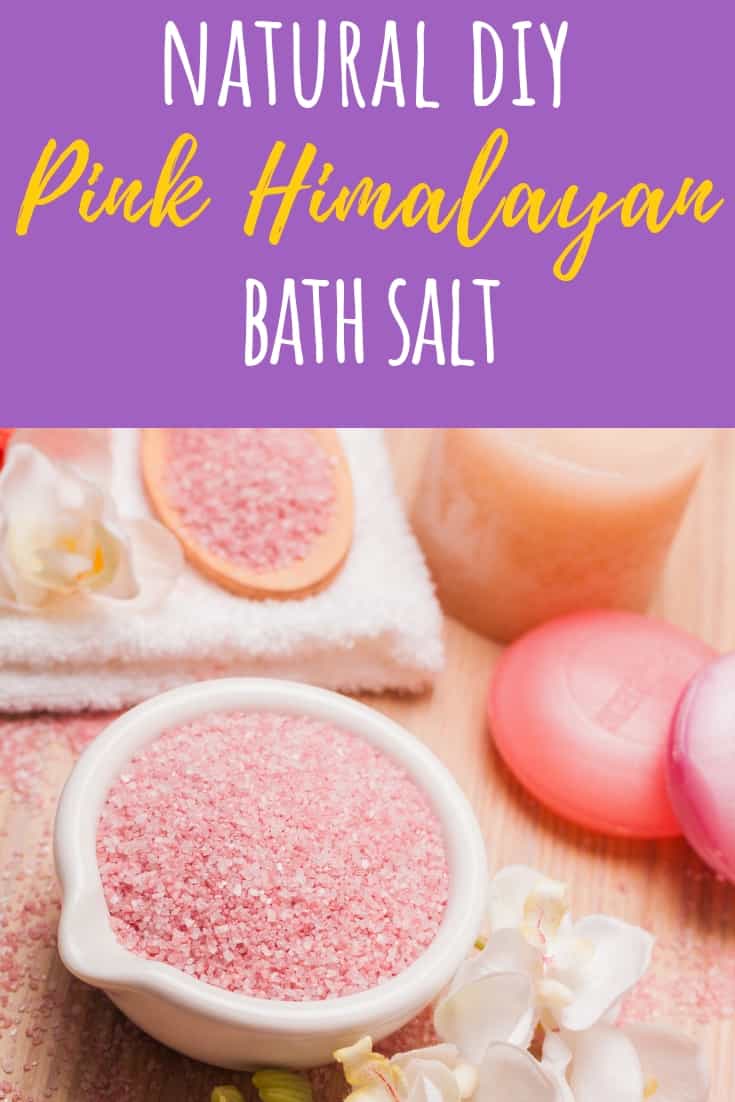
There's nothing like sinking into a warm pink Himalayan salt bath at the end of a long day. This easy DIY bath soak takes just a few natural ingredients and a few minutes to make — it's relaxing, skin-softening, and makes a beautiful homemade gift. Here's exactly how to make it, how to use it, and a few essential oil blends to match your mood.
What is a bath soak?
A bath soak is simply an ingredient or combination of ingredients that you add in while running the warm water. It makes a relaxing time in the tub even more enjoyable and beneficial by providing a skin, muscle, and stress soother.
There are many different bath soaks you can use to create a more luxurious experience and to treat a variety of skin or muscle soreness issues.
Benefits of a Himalayan Salt Bath
Pink Himalayan salt gets its blush color from trace minerals — primarily iron oxide — along with more than 80 other naturally occurring minerals in small amounts. When you dissolve it in warm bathwater, those minerals soften the water and create a gentle, skin-conditioning soak.
The most well-supported benefits of a Himalayan salt bath are the ones you feel most directly: muscle relaxation from the warmth of the water, and skin that feels softer and smoother after soaking. Dead Sea salt, which this recipe also includes, is especially rich in magnesium — a mineral that some research suggests may support the skin's natural barrier function when absorbed transdermally.
Many people with dry or itchy skin also find mineral salt soaks soothing. If you have a skin condition like eczema or psoriasis, it's worth checking with your doctor first, since salt baths help some people and irritate others. For everyone else, it's a beautiful way to wind down, soften your skin, and give yourself a proper reset.
How much bath salt to use
When it comes to bath soaks, just a little can go a long way in the warm water. Adding a cup of the salt of your choice along with drops of essential oils is enough to create a soothing soak that you can luxuriate in.
If you make a large batch of bath soak to give out as gifts, you can include a small scoop with each jar. Then the recipient can add as much to their bath as they like.
Ingredients You'll Need
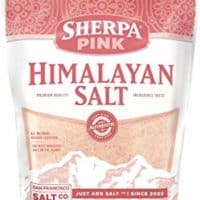
- Pink Himalayan Salt
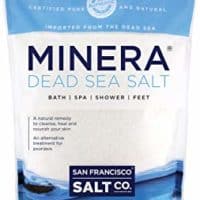
- Dead Sea Salt
- Baking Soda
- Essential Oils + Carrier Oil
Essential Oils + Carrier Oil
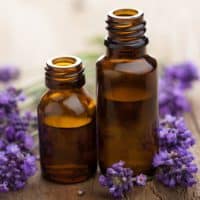
Essential oils add a beautiful, mood-matching fragrance to these bath salts — but there's one important step most recipes skip. Essential oils don't dissolve in water; they float on the surface in concentrated droplets that can contact skin undiluted. To avoid any irritation, always blend your essential oils into a carrier oil before stirring them into the salts.
A tablespoon of jojoba oil is my top choice — it's lightweight, non-greasy, and works beautifully as a carrier oil for blending essential oils. Fractionated coconut oil or sweet almond oil also work well. Once your drops of essential oil are blended into the carrier, stir that mixture into the salts. This disperses the oils throughout the salt granules so they release evenly into your bath.
How to make Pink Himalayan Bath Salt
If you’re wondering what to add to a bath, we’ve got a simple solution that you’ll love. Our DIY bath salt recipes make it easy for you to unwind while giving your skin the spa treatment right at home.
You can also give it as a homemade gift for any occasion. It’s simple, incredibly affordable, and so beneficial for your well-being.
Creating your own Pink Himalayan salt bath only requires only a few basic ingredients.
Ready to do this?!
Pink Himalayan Bath Soak Recipe
Materials
- 1 cup Himalayan Salt
- 1 cup Dead Sea Salt
- 1 tbs Baking Soda
- 1 tbs Carrier Oil of choice (Jojoba, Sweet Almond, Fractionated Coconut)
- 20 drops Roman Chamomile EO
- 10 drops Frankincense EO
- 20 drops Bergamot Essential Oil
- 10 drops Patchouli Essential Oil
- 15 drops Lavender Essential Oil
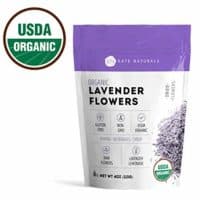
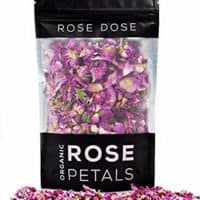
- 3 tablespoon Lavender or Rose Petals
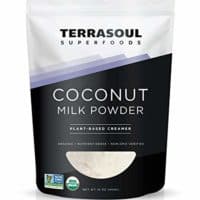
- ¼ cup Coconut Milk Powder
Instructions
- In a large bowl, mix together Himalayan Salt and Dead Sea Salt until fully combined.
- In a small bowl, blend your essential oils into 1 tablespoon of jojoba oil (or another liquid carrier oil).
- Add this blend to your salts and mix thoroughly until the oils are evenly distributed through the salt.
- If adding flower petals or milk powder, do so now and mix thoroughly.
- Sprinkle salt with Baking soda and mix in.
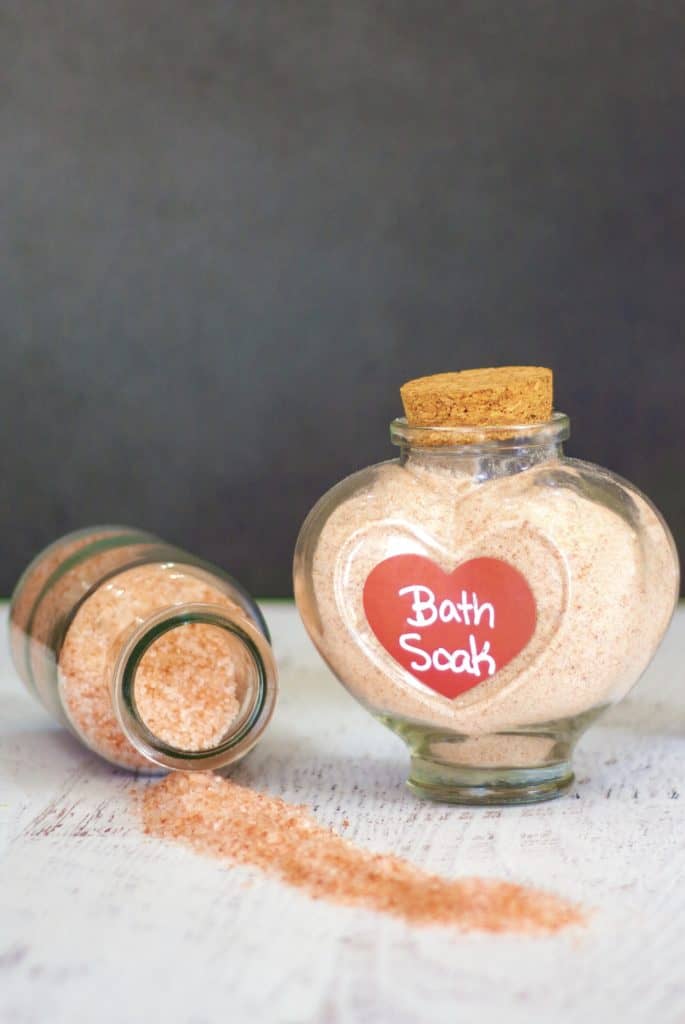
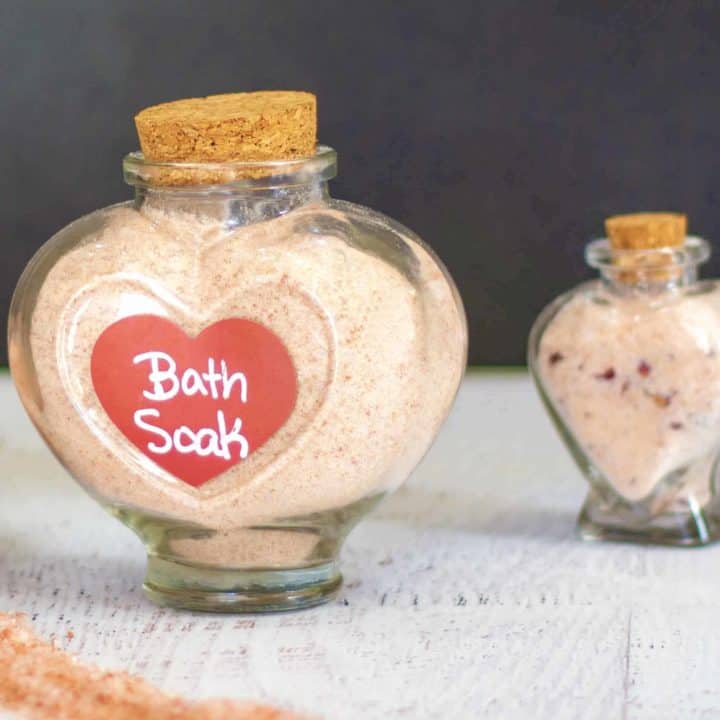
- Bottle or jar salts. I got the heart shaped jars at Hobby Lobby.
Recommended Products
As an Amazon Associate and member of other affiliate programs, I earn from qualifying purchases.
Essential Oil Blends by Mood
One of the best things about making your own bath salts is that you can match your blend to exactly how you're feeling. Here are three essential oil combinations to try — each makes enough to scent one batch of bath salts (use in place of, or as a starting point for, the EO blend in the recipe above).
For all three blends: pre-mix your drops into 1 tablespoon of jojoba oil before stirring into the salts.
Unwind and Relax — for stress and end-of-day tension
10 drops lavender essential oil + 5 drops Roman chamomile + 5 drops bergamot
Scent profile: floral, soft, calming
Deep Sleep — for bedtime baths when you need to wind all the way down
10 drops lavender + 8 drops cedarwood + 2 drops vetiver
Scent profile: warm, woody, grounding
Sore Muscle Relief — for after a workout or a long day on your feet
8 drops eucalyptus + 6 drops peppermint + 4 drops rosemary + 2 drops black pepper
Scent profile: fresh, cool, invigorating
Note: peppermint and eucalyptus can feel intense in a bath — start with less if you're sensitive, and skip these blends for children.
Want more inspiration? This relaxing bath soak with essential oils features a great uplifting springtime blend as well.
How to Take a Himalayan Salt Bath
- Fill your tub with warm water — not too hot. Warm (around 37–38°C / 98–100°F) is ideal. Very hot water can be drying and may irritate sensitive skin.
- Add ½ to 1 cup of your bath salt blend as the water runs, letting it dissolve as the tub fills. A full cup gives a more concentrated soak; start with ½ cup if it's your first time.
- Swirl the water to help dissolve any remaining granules before you get in.
- Soak for 15–20 minutes. This is long enough for your muscles to relax and your skin to benefit from the minerals, without soaking so long that the salt becomes drying.
- Rinse with warm water after your soak to remove salt residue from your skin.
- Pat dry and moisturize immediately while your skin is still slightly damp — this is when your skin is most receptive to hydration. A body butter or lotion applied right after the bath locks in softness beautifully.
How often: About 1–2 times per week is the right frequency for most people. If your skin feels tight or dry afterward, dial back to once a week and make sure you're moisturizing right after. More than twice a week can be drying over time.
How to Store Your Bath Salts
This recipe makes a generous batch — enough for several soaks or to gift a jar or two. Here's how to keep it fresh:
- Use an airtight glass jar. Salt and moisture are natural enemies — a tight lid keeps humidity out and prevents the salts from clumping. The heart-shaped glass jars mentioned in the recipe are perfect for this.
- Store away from the shower. A bathroom countertop near the shower exposes your salts to steam every day. A shelf, a linen closet, or a bedside table is a better spot.
- Shelf life: Stored correctly, your bath salts will keep for up to 6 months. The salt itself doesn't expire, but the essential oils and any dried botanicals (rose petals, lavender buds) will fade over time.
- If they clump: Break them up with a spoon — clumping just means they've absorbed a little moisture. They're perfectly fine to use.
- Humid bathrooms: Drop a small food-grade silica packet in the jar to absorb moisture and extend freshness.
Himalayan Salt Foot Soak Variation
No time for a full bath? You can turn this same recipe into a quick foot soak in minutes. Add ½ cup of your pink Himalayan bath salt blend to a basin of warm water, stir to dissolve, and soak your feet for 15–20 minutes. It's especially lovely after a long day on your feet — the salts soften rough skin on your heels while the essential oils fill the room with a relaxing scent.
For a more targeted muscle-soothing foot soak, try the Sore Muscle blend from the section above, or explore this full Epsom salt foot bath recipe with additional detoxifying ingredients.
Make It a Gift
Pink Himalayan salt bath salts are one of the easiest and most beautiful homemade gifts you can make. A glass jar filled with these fragrant, rose-pink salts looks genuinely luxurious — but takes less than 15 minutes to put together. Here's how to give them gift-worthy presentation:
- Jar: Heart-shaped glass jars (available at Hobby Lobby) are my favorite for gifting. Wide-mouth mason jars or apothecary-style glass jars also look beautiful tied with twine or ribbon.
- Label: Print a simple label with the scent name (e.g., "Deep Sleep Blend" or "Sore Muscle Soak") and basic usage instructions (½–1 cup per bath, soak 15–20 min). A handwritten tag tied with ribbon is equally charming.
- Botanicals: A pinch of dried lavender buds or rose petals scattered on top before sealing adds a gorgeous visual touch. Note these are decorative — use a muslin bag or drain strainer if you're concerned about petals in the drain.
- Bundle idea: Pair a jar of bath salts with a small bottle of a matching essential oil blend and a loofah or wooden bath brush for an easy spa-night gift set.
This recipe makes enough for 2–3 generous gift jars depending on your jar size — perfect for filling a gift basket for a birthday, holiday, teacher appreciation, or just-because.
Himalayan Salt Bath FAQs
Start with ½ cup per standard bathtub of warm water. You can increase to 1 full cup for a stronger soak once you know how your skin responds. More isn't always better — a moderate amount is plenty to soften the water and leave skin feeling smooth.
15–20 minutes is the sweet spot. Long enough for your muscles to relax and your skin to absorb the minerals, but not so long that the salt draws too much moisture from your skin. Set a timer and get out while the water is still pleasantly warm.
About 1–2 times per week is ideal for most people. More frequent soaks can be drying, especially if you have sensitive or dry skin. If your skin feels tight or dry after, try once a week and always moisturize after rinsing.
No — the salts work beautifully on their own. If you do add essential oils, always blend them into a tablespoon of carrier oil (like jojoba) first. Undiluted essential oils float on water and can contact skin in concentrated form, which can cause irritation.
It depends on your mood. Lavender and chamomile are classic for relaxation; lavender and cedarwood for sleep; eucalyptus and peppermint for sore, tired muscles. See the Essential Oil Blends by Mood section above for specific drop counts.
Transfer to an airtight glass jar and keep it away from moisture (don't store it in the shower where steam can get in). Stored correctly, your salts will stay fresh for up to 6 months. If they clump, break them up with a spoon — they're still perfectly fine to use.
Yes! Use ½ cup of the bath salt blend in a basin of warm water and soak your feet for 15–20 minutes. It's a great option when you don't have time for a full bath.
Some people find that mineral salt soaks soothe irritated, itchy skin; others find the salt too drying or irritating. If you have a skin condition, check with your doctor before trying a salt bath, and do a small patch test on your inner arm first.
The well-supported benefits of a Himalayan salt bath are relaxation and skin-softening — and those alone are worth it. Strong "detox" claims (toxins leaving through your skin) aren't well-supported by research. The salts soften the water, your muscles relax in the warmth, and your skin feels smoother after. That's the real magic.
A quick rinse with warm water is a good idea to remove salt residue. Follow with a moisturizer or body butter while your skin is still slightly damp — this is when your skin absorbs hydration best and locks in that just-bathed softness.
More Relaxing DIY Recipes
If you loved this salt bath recipe, here are a few more relaxing DIY soaks and recipes to try:
- The Best Epsom Salt Foot Bath Recipe — a targeted soak for tired, achy feet
- 8 Homemade Milk Bath Recipes You'll Love — creamy, skin-softening soaks for every mood
- DIY Uplifting + Relaxing Bath Soak with Essential Oils — a springtime Epsom salt blend with rosemary and lemongrass
- DIY Detox Bath Soak with Epsom Salt & Baking Soda — a 3-ingredient reset bath
- How to Make Bath Bombs the Easy Way — fizzy, fun, and completely customizable
And once you're out of the bath, reach for a non-greasy body butter to seal in all that post-bath softness.