
DIY Charcoal Face Mask (Easy Natural recipe)
If your skin feels congested, oily, or just dull, a charcoal face mask is one of the simplest ways to give it a reset.
This DIY version uses activated charcoal plus two detoxifying clays to draw out excess oil and impurities and leave skin clean and balanced. As someone with reactive skin myself, I formulated it to be gentle enough for most skin types, with easy swaps if yours runs dry or sensitive.
Here's everything you need to know — and the exact recipe.
What is a charcoal mask?
A charcoal face mask is a skin-cleansing treatment made with activated charcoal — often combined with absorbent clays — that you apply to your face, let set for 10–15 minutes, and rinse off. The activated charcoal adsorbs (binds to) excess oil, surface debris, and impurities on the skin's surface so they wash away with the mask, leaving skin feeling clean, balanced, and refreshed.
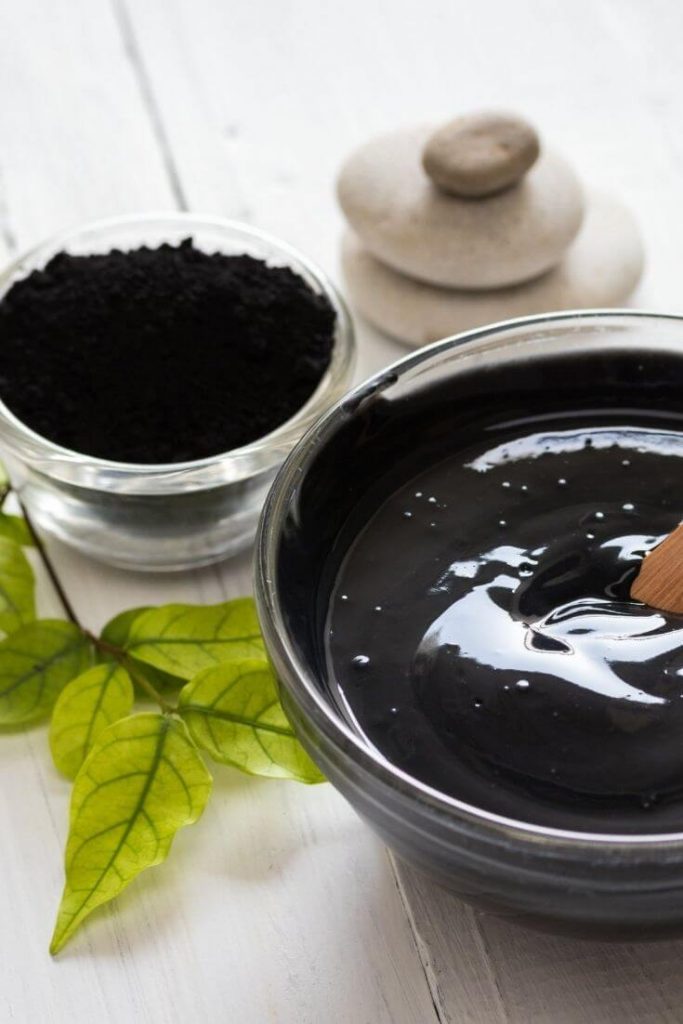
A charcoal face mask is a mask made using charcoal as the main ingredient. It has a pasty consistency, after applied, you leave it on your skin for several minutes to help draw out toxins, dirt, and grime.
Then you rinse it off to reveal, cleaner, clearer skin!
Charcoal masks are generally safe to use and are gentle on skin so people with varying skin types, sensitive skin, or combination skin can benefit from these masks.
How Activated Charcoal Works on Skin
Activated charcoal isn't the same as regular charcoal — it's been processed at very high temperatures to create an extremely porous structure with a massive surface area. That porosity is what makes it effective: the tiny pores in each particle act like a sponge, trapping (adsorbing) oil, surface impurities, and debris so they rinse away when you wash the mask off.
It's worth clarifying what it doesn't do. Activated charcoal works on the surface of the skin — it doesn't draw toxins from deep in the dermis or work systemically. What it does do — absorb surface oil and help keep pores looking cleaner between washes — is genuinely useful, particularly for oily or congested skin.
As a Formula Botanica-trained formulator, I use activated charcoal at 5% in this recipe. That's enough to deliver a real cleansing benefit without over-drying the skin. Paired with rhassoul and bentonite clays at a 40%/20% split, the formula stays effective and balanced for most skin types.
Charcoal Mask Benefits
Charcoal face masks have many benefits for your skin, including:
- Removing impurities from the skin
- Absorbing dirt, oil, and toxins from your pores
- Leaving the skin feeling light and refreshed.
Once you rinse your mask off, you might notice your skin looks brighter!
Charcoal masks help lift away dead skin cells and other debris, leaving you with brighter skin and less noticeable pores.
Charcoal and clay masks are especially useful for oily, congested skin — they absorb excess oil and surface impurities, which can leave skin looking clearer and refreshed and make pores appear less noticeable. They won't erase fine lines or 'open' pores (pores don't open and close), but used regularly as part of a routine, a mask keeps skin balanced between cleanses.
What is the Best Charcoal Mask for You?
We’ve covered the basics, now let’s figure out what type of charcoal mask is best for you and your skin! When picking a mask, it is important to keep in mind your skin’s needs.
Activated Charcoal Mask
Activated charcoal is the star of this mask. It's processed to be extremely porous, giving it a large surface area to bind (adsorb) oil and surface impurities so they rinse away — great for oily or congested skin. Use cosmetic- or food-grade activated charcoal only. Regular barbecue or drawing charcoal is not safe for skin.
Charcoal Peel Off Mask
Peel-off masks have become increasingly popular, they spread easily onto skin and then dry into a mask that you peel off of your skin.
While they do work great to unclog pores and pull away dirt, oil, and dead skin cells, they tend to be harsher.
They are not recommended for sensitive skin or for people who suffer from skin conditions such as rosacea, eczema, or psoriasis.
Charcoal Wash Off Mask
Charcoal wash-off masks are a great way to reap all the benefits of charcoal for your skin, without risking the damage that comes with a peel-off mask.
Note: You may have seen the viral glue-and-charcoal peel-off trend circulating online — skip it. Craft glue isn't formulated for skin, can cause irritation and clogged pores, and no household glues are safe to peel from your face. A wash-off clay mask is a much gentler and more effective option.
DIY Charcoal Face Mask Ingredients
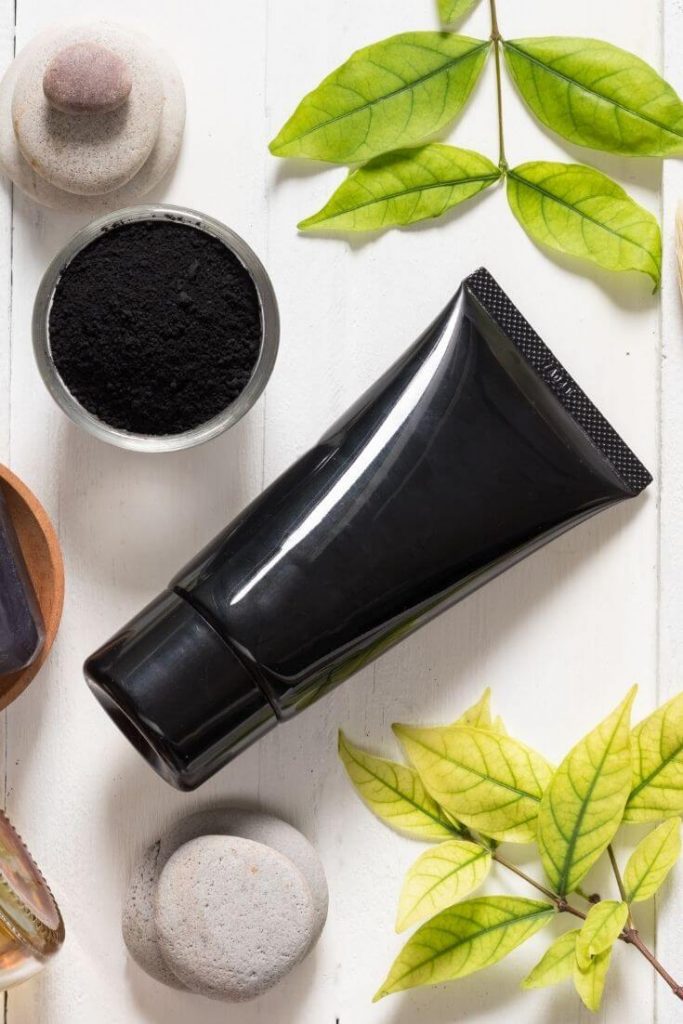
Since we’ve gone over a lot of information about charcoal face masks, let's talk about what makes this recipe perfect for your skin!
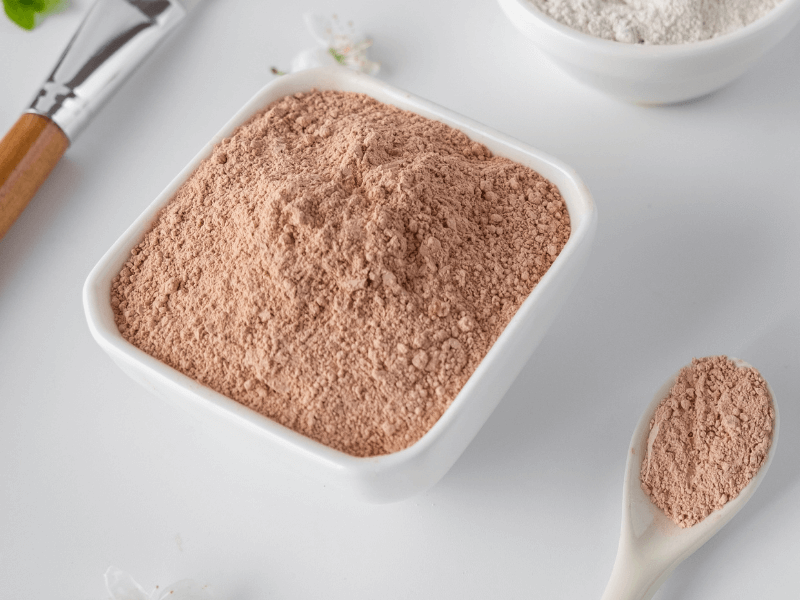
Rhassoul Clay
Rhassoul Clay is also known as Moroccan Red Clay. This clay is absorbent and helps lift away oil and debris from skin. It can help reduce the appearance of fine lines and wrinkles, helping you reveal cleaner and more youthful skin!
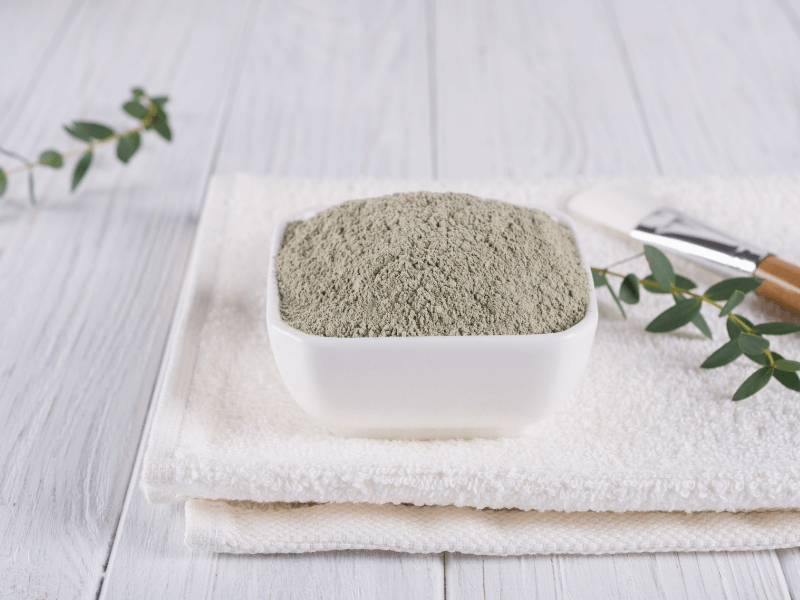
Bentonite Clay
Bentonite Clay is an extremely absorbent clay that can absorb several times its mass in water. This means that it will help pull toxins and impurities from skin. This helps you achieve more radiant, glowing skin!
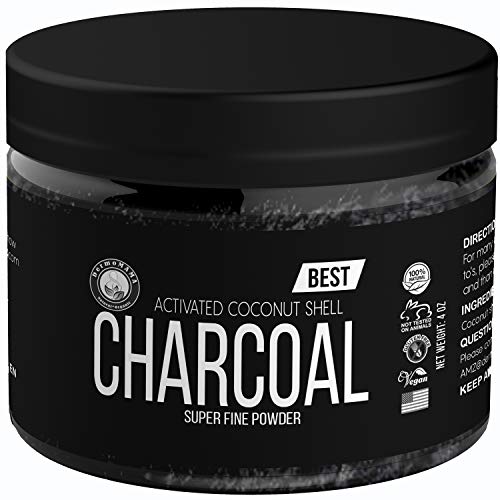
Charcoal
Charcoal is the magic that makes this mask great! It also helps absorb toxins and impurities and it also helps unclog and tighten pores. Charcoal will also tighten skin to help reduce signs of aging. When used regularly charcoal will help brighten and tone skin!
Wet Ingredients
It is up to you to choose the wet ingredient you'd like to use to mix with your dry ingredients. Each of these ingredients help hydrate, protect, and moisturize skin.
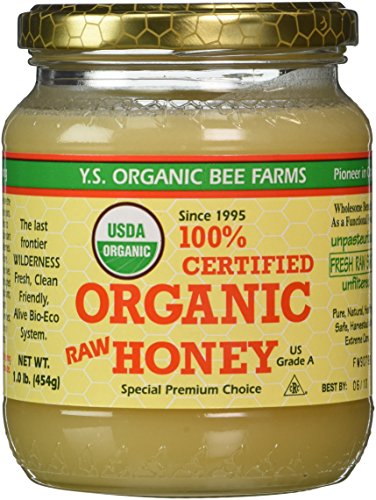
Honey has antibacterial and antimicrobial properties which cleanse skin even further.
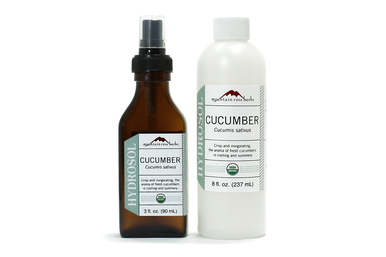
A hydrosol or floral water is a great choice as well to support hydration and soothe skin. A few great options would be:
Aloe vera also helps soothe skin and reduce inflammation. This is also a great option to mix with your dry ingredients to create your mask!
Equipment:
- Kitchen scale (or use the teaspoon measurements below)
- Non-metal bowl (important when using bentonite clay — metal can reduce its effectiveness)
- Non-metal spoon or spatula
- Measuring cups or teaspoon set
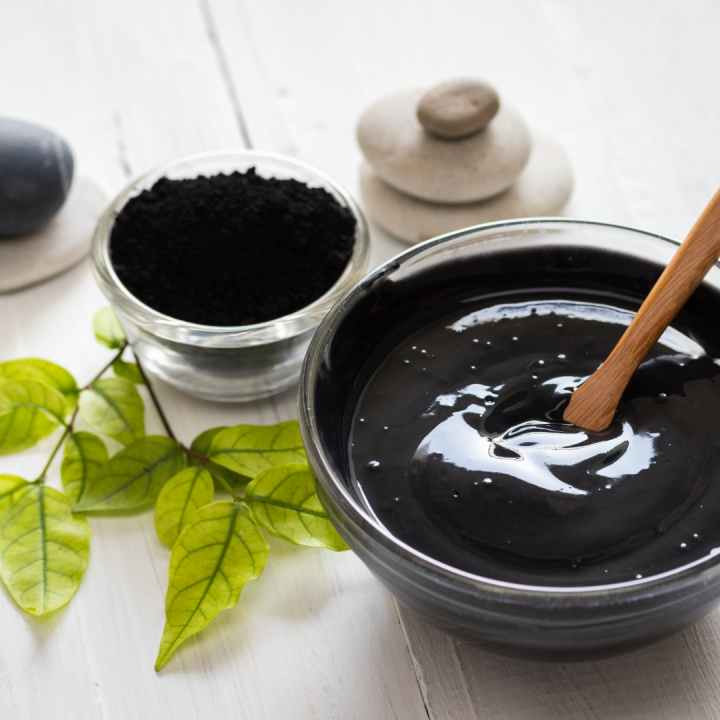
Charcoal Face Mask Recipe
Detoxifying and purifying DIY charcoal mask!
Materials
- 20g (40%) Rhassoul Clay
- 10g (20%) Bentonite Clay
- 2.5g (5%) Charcoal
- 17.5g (35%) Choice of Honey, Hydrosol, or Aloe vera
Instructions
- Mix together dry ingredients
- Add enough of your chosen wet ingredient to create a paste
- Apply mask to skin and leave on for 15 minutes
- Wash mask off and apply your favorite moisturizer or cream
Recommended Products
As an Amazon Associate and member of other affiliate programs, I earn from qualifying purchases.

No scale? No problem.
Here are the teaspoon measurements for one single-use mask:
- 4 teaspoon rhassoul clay
- 2 teaspoon bentonite clay
- ½ teaspoon activated charcoal
- Approximately 1 to 1.5 tablespoon wet ingredient (aloe vera gel, rose hydrosol, or distilled water)
Add the liquid slowly, mixing as you go, until you reach a smooth and spreadable paste — thick enough to stay on your face but easy to apply with your fingertips or a silicone brush.
Important: use a non-metal bowl and spoon when working with bentonite clay. Metal can interfere with its natural charge and reduce its effectiveness.
How to Apply (and Remove) Your Mask
You know a lot about charcoal masks now, here are Start with clean skin. Wash your face with a gentle cleanser before applying — the mask works best without a layer of makeup or sunscreen underneath.
- Mix fresh. Combine your ingredients right before use. Don't make this ahead of time — once water is added to clay, bacteria can grow quickly without a preservative.
- Apply to your face (avoiding the eye area and lips) using clean fingertips or a silicone mask brush. Aim for a thin, even layer.
- Relax for 10–15 minutes. You'll feel the mask tighten slightly as it sets. Rinse while it's still slightly tacky — don't let it dry to a hard, cracked film, which can stress the skin when you remove it.
- Rinse with lukewarm water. Gently work the mask off in small circular motions — the clays provide a mild exfoliation as they rinse away.
- Follow with toner, then moisturizer. Clay masks are drying by design. A toner restores balance; a moisturizer locks hydration back in. Don't skip this step.
First time using this mask? See the patch-test instructions in the Safety section below before applying to your full face.
Customize Your Mask by Skin Type
The base recipe works well for most skin types, but a few simple swaps can tailor it specifically to yours:
Oily or acne-prone skin: Use witch hazel or a rose hydrosol as your wet ingredient instead of plain water — both have mild clarifying properties that work well with oily skin. You can also stir in 1–2 drops of tea tree essential oil for added antibacterial benefit. Keep the bentonite at the full 20% — it's the more absorbent of the two clays.
Dry or combination skin: Reduce the bentonite slightly and increase the rhassoul (rhassoul is less absorbent and more conditioning). Add 1 teaspoon of raw honey to the wet ingredient — honey is a humectant that draws moisture to the skin. A few drops of a non-comedogenic carrier oil like jojoba can also be blended in for extra comfort.
Sensitive skin: Replace the bentonite clay entirely with kaolin clay — it's the gentlest cosmetic clay available and much less likely to cause tightness or irritation. Use aloe vera gel as your wet ingredient and add a drop or two of lavender hydrosol for extra calming. Always patch test before applying to your full face (see Safety below).
How Often Should You Use a Charcoal Face Mask?
For most skin types, 1–2 times per week is the right frequency. Oily or acne-prone skin can typically handle twice weekly without issue; dry or sensitive skin is usually better served by once a week — or every other week if your skin feels tight or dry after use. Over-masking is a real concern: charcoal and clay both absorb oil, and used too often, they can strip the skin of moisture and leave it tight, flaky, or even more reactive. Always follow masking with a toner and moisturizer to restore what the clay removed. If you're not sure where a mask fits in your overall skincare routine, think of it as a weekly deep-cleanse step that follows your regular cleanser — not a replacement for it.
Patch Testing, Safety and Storage
Patch test first. Before applying this mask to your full face, test it on a small area — your inner arm or behind your ear works well. Apply a small amount, wait 24 hours, and check for redness, itching, or irritation. If you see any reaction, don't apply it to your face. Patch testing is especially important if you have reactive, sensitive, or rosacea-prone skin.
Safety notes:
- Keep the mask away from your eye area and lips.
- Rinse while the mask is still slightly damp — not bone dry. A fully dried clay mask can crack and pull at skin when you try to remove it.
- Don't use on broken, sunburned, or actively inflamed skin.
- Bentonite is a powerful absorbent. If your skin tends toward dry, start with once every two weeks and see how your skin responds before increasing frequency.
Storage: This recipe is designed as a single-use, make-it-fresh formula — it contains no preservative, and adding water or aloe to clay creates a risk of contamination if the wet mask is stored. Don't make a batch ahead of time. However, you can pre-mix the three dry ingredients (rhassoul, bentonite, activated charcoal) in the correct proportions and store that dry powder blend in an airtight jar for several months at room temperature. When you're ready to use it, measure out your portion and add the wet ingredient right before applying.
DIY Charcoal Face Mask FAQs
For oily or combo skin: 1–2 times per week. For dry or sensitive skin: once a week or every other week. Over-use can leave skin tight and dry — always follow with a moisturizer.
Yes — activated charcoal and clay are particularly effective for oily and congested skin. They adsorb excess oil and surface debris, helping to reduce the appearance of clogged pores and leave skin clearer over time. Think of it as a periodic reset, not a standalone acne treatment.
Often yes — with modifications. Swap bentonite clay for kaolin clay (gentler and less absorbent), use aloe vera gel or a soothing hydrosol as your wet ingredient, and always patch test first. See the Customize by Skin Type section above.
10–15 minutes. Rinse while the mask is still slightly tacky — don't let it dry to a hard crack, which can pull at skin and cause unnecessary irritation.
Make the wet mask fresh each time — it has no preservative, and clays are very difficult to preserve once water is added. You can, however, pre-mix the dry ingredients (rhassoul, bentonite, activated charcoal) in the correct ratios and store that powder blend in an airtight jar for several months. Just add your wet ingredient right before use.
No. Use: 4 teaspoon rhassoul clay, 2 teaspoon bentonite clay, ½ teaspoon activated charcoal, and approximately 1–1.5 tablespoon of your wet ingredient. Add liquid slowly and mix to a smooth, spreadable paste. Use a non-metal bowl and spoon when working with bentonite clay.
No. Regular charcoal (used for grilling or art) is not processed for skin and could introduce harmful compounds. Use cosmetic-grade or food-grade activated charcoal only.
Activated charcoal adsorbs surface oil and impurities so they rinse away with the mask — a real and useful benefit for oily or congested skin. It doesn't pull toxins from deep in the dermis or work systemically. The surface-cleansing effect is the genuine benefit.
No. There are no craft or household glues formulated for cosmetic use. Glue masks can clog pores, cause allergic reactions, and damage the skin barrier when peeled off. A gentle wash-off clay mask like this one delivers real cleansing benefit without the risk.
Rinse thoroughly with lukewarm water and pat dry. Follow with a toner to restore balance, then a moisturizer — clay masks can be drying, so don't skip the hydration step.
You May Also Enjoy These Face Mask Recipes:
- Soothing DIY Aloe Vera Face Mask Recipe
- 8 DIY Skin Lightening Face Masks
- 10 Highly Effective DIY Vitamin C Serums, Lotions, & Masks
- Lemon Honey Face Mask to Calm Skin, Tone and Lighten
- 5 Homemade Oatmeal Mask Recipes
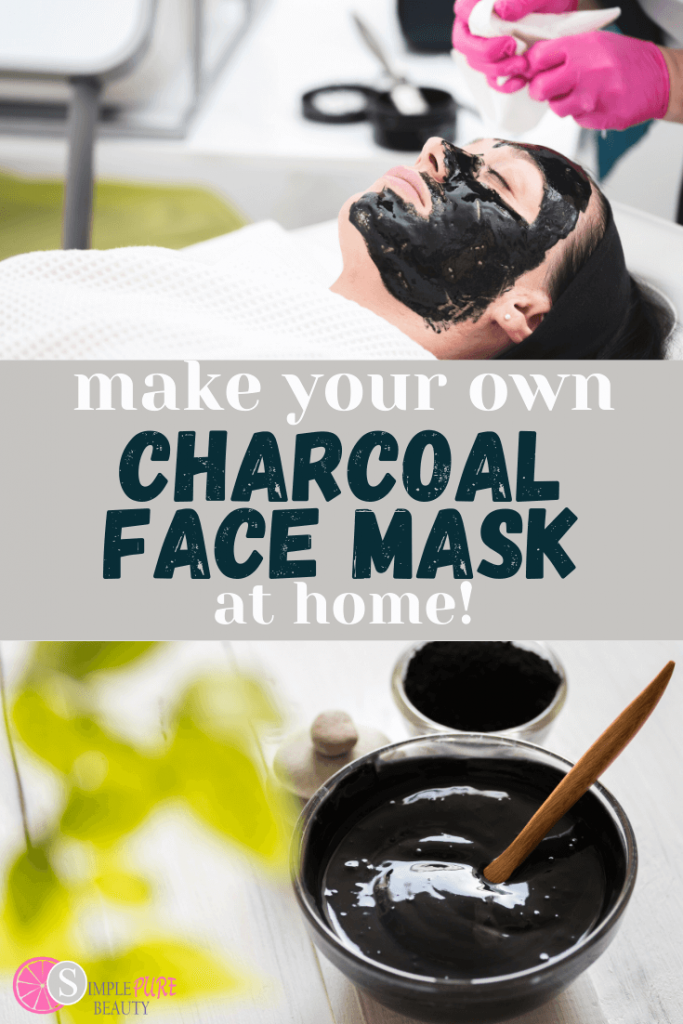
Pin Charcoal Face Mask for Later!
Is this for one use, or can I double the recipe, mixed into a paste, for future use? Thanks!
This will make one mask. I would be careful doubling the recipe unless you plan to use it very quickly. There is no preservative included in the recipe and clays are very hard to preserve. 🙂