Kaolin Clay Benefits for Skin: How to Use, Where to Buy + DIY Recipes!


If you've ever searched for a gentle clay that's less likely to strip or irritate your skin, kaolin is a great place to start. Unlike stronger clays like bentonite or french green clay, kaolin clay is mild and is often well tolerated by sensitive, dry, and acne-prone skin — making it one of the most versatile ingredients in natural skincare.
Kaolin is one of the mildest cosmetic clays. Unlike stronger clays such as bentonite, it doesn't swell much in water, so it takes up some surface oil and debris gently without completely stripping your skin's natural oils.

Kaolin Clay for Skin Quick Facts
| Kaolin Clay Scientific Name: |
| The scientific name for Kaolin Clay is Hydrated aluminum silicate |
| Kaolin Clay Comedogenic Rating: |
| Kaolin is generally considered low-risk for clogging pores. Comedogenic ratings are only a rough guide, and the other ingredients in a product matter too (see our guide to comedogenic ratings). |
| Kaolin Clay Extraction Method: |
| Kaolin Clay is primarily made up of the mineral kaolinite; this mineral can be mined everywhere from China, the United States, and Brazil. |
| Kaolin Clay INCI Name: |
| Kaolin (White Clay) |
| Kaolin Clay COSING Number: |
| 34795 |
| Kaolin Clay Skincare Recommendations: |
| Kaolin Clay is a very fine-grained and very gentle clay. It has mild absorption properties which makes it better for normal or dry skin. It can be used with oily skin but will not draw out as much oil as other clays. |
| Kaolin Clay Absorption: |
| Kaolin is a mild, low-absorbency clay. It doesn't swell much in water the way bentonite does, so it's generally less drying than stronger clays. |
| Kaolin Clay Composition: |
| Chemical formula: AL2O3 2SiO2 2H2O Kaolin Clay can have a variety of compositions depending on where it was mined from and the other minerals that may be mixed with it. Pure kaolin is white or off-white. Kaolin can also be pink, red, or yellow; these colors come mainly from small amounts of iron minerals mixed in with the clay. White kaolin is the type most often chosen for skincare. |
What is Kaolin Clay?

Kaolin clay is a natural clay that forms when certain rocks slowly break down over time.
It’s best known for being used in porcelain and ceramic products, but it has also become a staple ingredient in natural skincare because of how gentle and versatile it is.
Unlike heavier, more absorbent clays like rhassoul clay, kaolin clay has a much softer, finer texture and is less likely to leave skin feeling tight or stripped afterward. That’s one of the reasons it’s such a great choice for sensitive, dry, or normal skin types.
In skincare, kaolin clay is commonly used to help absorb excess oil, remove surface buildup, and gently cleanse the pores without over-drying the skin. When mixed with ingredients like water, hydrosols, aloe vera, or botanical gels, it creates a creamy mask that helps lift away impurities and leave skin feeling softer and refreshed.
Because it’s one of the mildest cosmetic clays available, kaolin is often found in facial masks, cleansers, soaps, powders, and other gentle skincare formulations designed for delicate or easily irritated skin.
Kaolin Clay Benefits for Skin

Kaolin Clay is a great clay to use in masks and scrubs because it's:
- A gentle cleanser: Great for skin that is dry or acne-prone since it is not overly drying.
- Absorbent: It can help reduce oily skin and help balance your complexion.
- A gentle physical exfoliant: Its very fine particles lightly buff away dead skin cells and are typically less abrasive than coarse scrubs like walnut shell or sugar scrubs.
- A good starting point for sensitive skin: Kaolin is one of the mildest cosmetic clays and is generally well tolerated, but no ingredient suits everyone. Patch-test first, and remember that anything you add to a mask, like essential oils, can be what irritates your skin.
It can help lift away excess oil, dirt, and everyday grime from the surface of your skin, which can leave your pores looking cleaner.
This clay is a good alternative to harsh scrubs and can help gently remove stubborn oils from your face that cause irritation.
Popular Kaolin Clay Uses for Skin
Kaolin Clay is often used in skincare as a mask. It can be combined with water, essential oils, and other liquids to form a thick paste that is left on skin to help compound its benefits.
One important safety note: kaolin clay doesn't preserve a mask. As soon as you mix it with water, aloe vera, a hydrosol, milk, or any other water-based ingredient, bacteria and mold can start to grow. Mix only what you need, use it right away, and throw away any leftovers. If you want to make a mask ahead of time, it needs a properly tested cosmetic preservative added to the formula.
Used as a mask, kaolin can help lift away excess oil and surface buildup, leaving skin feeling clean and soft.
Kaolin Clay can also be used in gentle facial scrubs and cleansing grains. Because of its fine texture, it can lightly exfoliate the skin and leave it feeling soft and comfortable.
Kaolin Clay also makes a great ingredient in many cosmetic powders such as foundations. It helps to control oil that is produced by the skin throughout the day so that your makeup doesn’t cause a lot of oil build-up.
How to Use Kaolin Clay on Your Skin
The simplest way to use kaolin is as a face mask. Here's a basic method:
- Start with clean, slightly damp skin.
- Put a small amount of kaolin powder in a clean, non-metal bowl.
- Add your liquid a little at a time (distilled water, a hydrosol, or aloe vera gel) and stir until you have a smooth, spreadable paste. Adding the liquid slowly to the powder helps prevent clumps.
- Spread a thin, even layer over your face, avoiding your eyes and lips.
- Rinse with lukewarm water while the mask is still slightly damp, rather than waiting until it dries hard and cracks. A mask that dries completely can leave skin feeling tight.
- Follow with your usual moisturizer.
How often? A good starting point is about once a week. If your skin feels tight, flaky, or looks red, use it less often or stop.
Kaolin also works well in gentle cleansers and powders. If you'd like to try it in a cleansing grain, our gentle cleansing grains recipe uses rice flour and flaxseed meal and lists kaolin as an optional swap for oily skin. Remember that a mask like the one above contains water, so see the safety note above about storing masks.
Kaolin Clay Substitutes
If you’re looking to use a clay other than Kaolin Clay, you’ll need to consider your skin type and the amount of absorbency you want the clay to have.
Many clays are best left for people with normal to oily skin because they absorb a large amount of moisture and oil from skin. Kaolin Clay is a milder clay with lighter absorbency.
Rose clay and Brazilian clays are colored clays that are sometimes used in place of white kaolin. Many are kaolin-based and list Kaolin as their ingredient name, but some are blends that include other clay minerals, so they aren't all equally mild. Check the ingredient list on the label before you swap.
Other kinds of clay include Bentonite Clay, Dead Sea Clay, and French Green Clay. While these can be used on a variety of skin types, they are best left to individuals with more oily skin.
Kaolin Clay vs. Other Clays
Clays differ in how strong they feel on the skin. This is a general guide; products vary by supplier.
| Clay | What to know |
|---|---|
| Kaolin | Mildest of the clays here; low absorbency; doesn't swell much in water. Often chosen for dry, normal and sensitive-leaning skin, gentle masks, cleansing grains and powders. Can still feel drying if used too often. |
| Bentonite | Strong; swells and thickens in water. Often chosen for oilier skin. Add liquid slowly; can feel tight or drying. |
| French green clay | More absorbent than kaolin. Often chosen for oilier skin. Strength varies by supplier. |
| Rhassoul clay | More absorbent than kaolin. Often chosen for normal to oily skin. |
Warnings/Contraindications for Kaolin Clay
Kaolin Clay is generally very safe and gentle to use on skin; those with very dry skin should use it with caution as it does absorb oil from skin and can cause skin to become drier if used too often.
It is recommended to try a patch test on a less sensitive area of skin either as a mask or a cleanser to see how your skin reacts. If after 48 hours you don’t experience any adverse effects, you can use it on your face!
Kaolin Clay FAQs
Is kaolin clay good for sensitive skin?
Kaolin is one of the mildest cosmetic clays, so it's often a good place to start if other clays have felt too drying. Still, no ingredient is right for everyone. Patch-test first, keep the first few masks short, and remember that anything you add to a mask, like essential oils, can be what irritates your skin. If your skin stings, burns, or turns red, rinse it off and stop using it.
How often can I use a kaolin clay mask?
Kaolin is mild, but it still absorbs some oil, so a mask every day can leave skin dry or tight. About once a week is a good starting point. Use it less often if your skin feels tight, flaky, or looks red.
Does kaolin clay whiten or lighten skin?
Kaolin isn't classified as a skin-lightening ingredient. In the EU's CosIng database its cosmetic functions are listed as abrasive, absorbent, anticaking, bulking, colorant and opacifying, and there isn't established research showing that it lightens skin tone or fades dark spots. After a mask, skin may look less shiny because kaolin absorbs surface oil, but that's a temporary cosmetic effect, not a change in pigment. For persistent dark spots, a dermatologist is the best person to ask.
Can I make a kaolin clay mask ahead of time and store it?
It's safest not to. Kaolin doesn't preserve a mask, so once it's mixed with water, aloe, a hydrosol, milk, or other water-based ingredients, bacteria and mold can grow. Mix what you need, use it right away, and throw away leftovers. A mask you want to keep needs a properly tested cosmetic preservative. Dry kaolin powder should stay in a tightly closed, dry container.
What's the difference between kaolin and bentonite clay?
They're different clay minerals that behave differently. Kaolin is milder and doesn't swell much in water. Bentonite swells and thickens when mixed with water and is generally stronger at taking up oil, which is why it's usually suggested for oilier skin and can feel more drying. The comparison table above shows how they stack up.
Where to Buy Kaolin Clay

White Kaolin Cosmetic Clay | Mountain Rose Herbs
Mountain Rose Herbs is committed to putting people, plants, and planet before profit with everything they do. They are committed to sustainability, and a certified Zero Waste company. They currently only offer shipping to the United States & Canada.

Kaolin Clay Powder White | Soapmaker's Store (UK)
Based in the United Kingdom, Soapmakers Store is a family owned business specialising in the sourcing and supply of premium quality ingredients to the Cosmetic, Toiletry, Aromatherapy, and Soapmaking Industries. With over 40 years experience in the Natural Ingredients Industry, they will endeavour to be your 'one stop shop' for quality raw material supplies. They do offer shipping outside of Europe, but there will be additional charges.
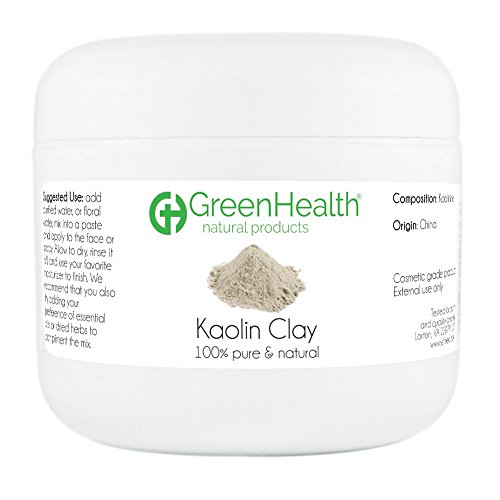
Kaolin Clay Powder | Amazon
Also known as White Cosmetic Clay, China Clay, White Clay, Chalk, and White Dirt, Kaolin has a variety of uses. Soap makers often use it in shaving and oily skin soaps as it adds slip while being safe and generally non-sensitizing.

Kaolin Clay | Wholesale Supplies
Wholesale Supplies Plus offers a wide range of soap making & formulating supplies including bases, additives, carrier oils, fragrance & more. They are based in the US & while they do offer International shipping, they currently do not serve EU member states.

White Kaolin Clay | FNWL
From Nature With Love proudly offers an inspiring range of premium quality certified organic, conventional and complementary personal care ingredients for use within skin care, hair care, aromatherapy, massage, spa, herbalism and soap making applications. They also offer a Rewards program that pays you back 10% in rewards on every order. From Nature With Love is a US based company that does offer International Shipping.
Kaolin Clay Recipes
Once you're comfortable with kaolin, explore bentonite clay, rhassoul clay, and french green clay to find the right clay for every formula you make.
Check out the skincare recipes below that all include clay as an ingredient!
Many of these recipes use other clays. Kaolin is milder and doesn't swell like bentonite, so substituting it can change the texture and how the product feels. Whether a swap works depends on the formulation, and you may need to adjust the amounts or other ingredients, so test a small batch first. For recipes built around a particular clay, it's best to keep the clay the recipe calls for.
-
DIY Body Powder for Women
Do you ever wish you had something that kept you smelling fresh while soaking up sweat in all of the nooks and crannies? This DIY Body Powder for Women will do just that! The scent of fresh lavender and orange will envelop you in a light, refreshing smell while the natural powders and clay absorb...
-
5 DIY Foundation Recipes You Have to Try!
Explore five DIY foundation recipes from other makers, with powder and liquid options and important formulation notes to help you compare them. Finding completely natural, affordable makeup can be a real challenge — and if you have sensitive skin, finding a foundation that feels comfortable can take some trial and error. Making your own gives...
-
4 Natural DIY Teeth Whitening Recipes
Want pearly white teeth? Step away from the chemical-ridden store-bought teeth whitening kits and try one of these easy, at-home natural DIY teeth whitening recipes - for sparkling, white teeth without the harsh ingredients! I get it - you crave that glistening Hollywood smile. But what’s the sense of having dazzling, white teeth if they’re...
-
How to Choose the Perfect Clay for Your Homemade Face Mask!
DIY skincare lets you find the perfect products for your needs. Learn about four types of clay and their benefits to make your own clay facial mask. Why Use Clay Masks on Your Skin? Facial clay masks have been around for centuries ever since ancient civilizations discovered the skin benefits of clay mask use. We...
-
10 Delightful DIY Rose Skin Care Recipes
Rose has been a staple in beauty products for many years. It's moisturizing, relaxing and toning properties make it an all time favorite. But why pay the high prices for these products at the store, when you can make your own. I know you're going to enjoy these Delightful Rose Skin Care Recipes I've put together...
-
Milk and Honey Homemade Face Mask for Dry, Sensitive Skin
This homemade face mask is the perfect DIY for dry, sensitive skin. Carefully selected ingredients nourish damaged skin and help retain moisture. It's getting to be that time of year again. Although we have been enjoying unseasonably warm temperatures for this time of year, I know the cold, frigid days are coming. And I'm not...


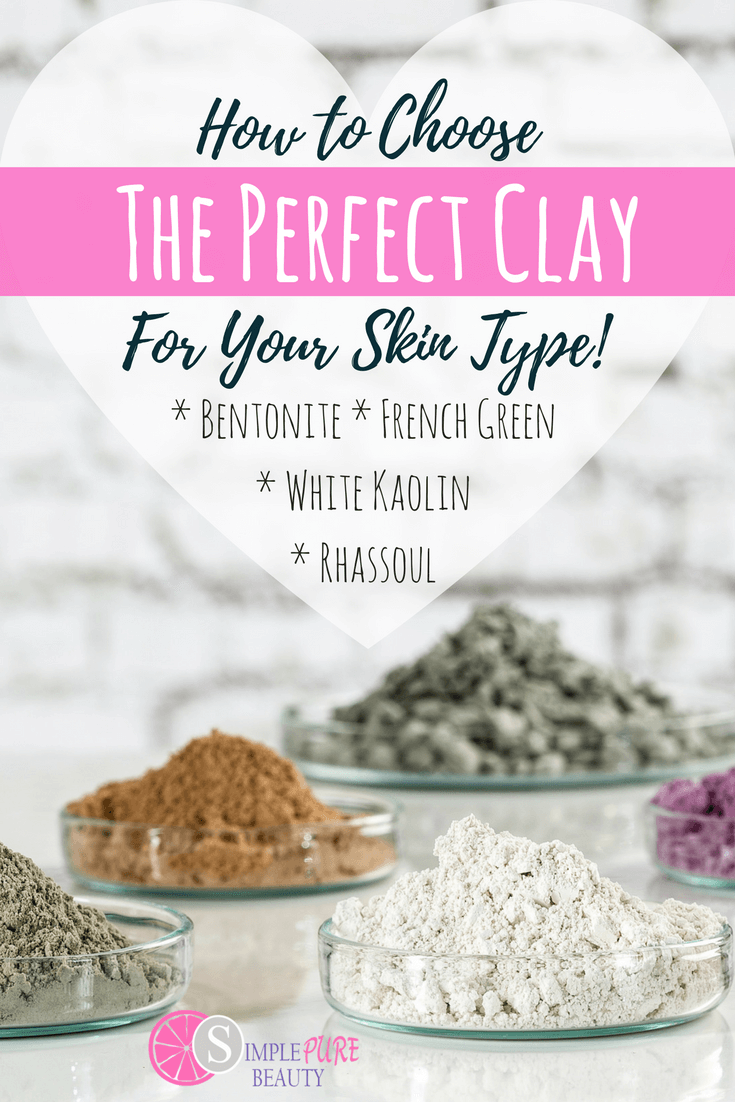


Pin Kaolin Clay Benefits for Skin!
I hope you've enjoyed learning all about the benefits of Kaolin Clay for your Skin. Be sure to pin this post for later!