
5 DIY Foundation Recipes You Have to Try!
Explore five DIY foundation recipes from other makers, with powder and liquid options and important formulation notes to help you compare them.
Finding completely natural, affordable makeup can be a real challenge — and if you have sensitive skin, finding a foundation that feels comfortable can take some trial and error. Making your own gives you control over ingredient choices, but it does not automatically make a formula safer or suitable for your skin.
That's why I love easy, homemade makeup recipes so much! Ingredient selection and individual tolerance matter in homemade and store-bought products. You can learn more about that here.
If you're just not up to DIYing your makeup, definitely check out the Skin Deep Database or Think Dirty App as starting points for researching ingredients and cosmetic brands; they do not guarantee that a product will suit your skin.
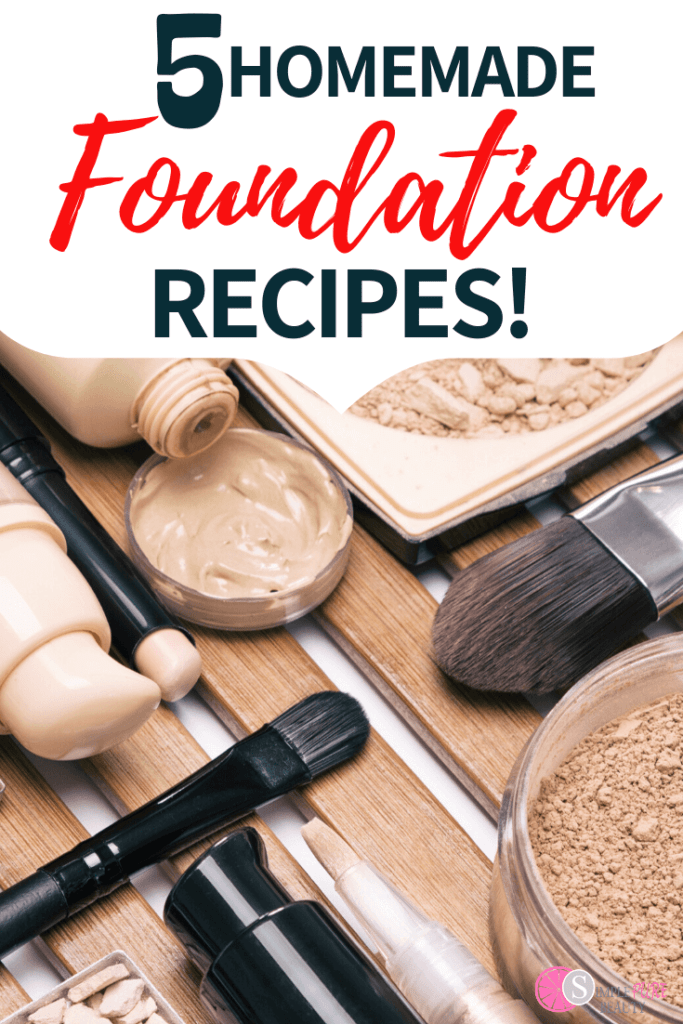
If you've been wondering how to make a DIY foundation at home, below I've rounded up five recipes from other makers. They range from a two-ingredient powder to more involved liquid and cream formats. This is a curated collection, not five original Simple Pure Beauty formulas or a claim that I've personally tested them. I'll help you compare their ingredients and formats and point out formulation cautions before you choose.
Jump to: Powder foundation | Liquid foundation | Which foundation should I make? | Ingredients to consider
How do you make all-natural makeup?
A few of my favorite homemade makeup recipes are Homemade Blush, DIY Makeup Highlighter and Tinted Lip Balm. There are so many reasons to use clean makeup or make your own.
Making all natural homemade foundation doesn’t have to be hard and the best part is, you control what goes into it!
To make an all-natural foundation all you need are a few ingredients that you can easily find!
For many DIY powder foundations, you’ll use arrowroot powder as a base, and for many DIY liquid foundations, you’ll use butters and waxes to create your perfect foundation!
The same principle applies across the board — check out my 13 DIY Blush Recipes or Tinted Lip Balm recipe if you want to build out a full natural makeup routine.
What is the best natural foundation?
The best foundation depends on your preferences, skin tolerance, and the finished formulation. The third-party recipes collected below offer powder and liquid options to explore; homemade does not automatically mean better or safer.
Need light coverage?
You can do that!
Need to adjust the tint?
You’re in control!
Sensitive skin?
Check the complete formula and patch test before broader use; adjusting ingredients does not guarantee sensitive-skin suitability.
Making your own foundation gives you ingredient choices, but irritation, contamination, and individual tolerance still matter.
What ingredients to avoid in foundation?
Choosing foundation ingredients involves personal preferences and formulation-specific considerations. Natural and homemade products can also irritate skin, so evaluate the complete formula rather than assuming one category is safer.
But, here’s a quick list of ingredients that are found in a lot of foundations that you may want to avoid.
Parabens:
Parabens, such as methylparaben and propylparaben, are preservatives. Some have shown weak estrogen-like activity in laboratory studies, but that does not establish that all parabens are harmful at cosmetic-use concentrations. Their real-world significance depends on the specific paraben and exposure. If you prefer alternatives, natural preservatives still need to be selected for the finished formula; natural does not automatically mean safer.
Fragrances:
Firstly, seeing the word ‘fragrance’ printed on an ingredient label should be scary. The companies that make those products are not required to disclose the ingredients that make up that fragrance.
Meaning, there could be skin-irritating or toxic chemical to create that fragrance and you wouldn’t even know it!
Sodium Laureth Sulfate:
Sodium Laureth Sulfate is a foaming/cleansing agent that can be irritating to skin and eyes, especially with repeated use. Irritation depends on concentration, the formulation, and individual tolerance. It is not commonly used in foundation formulas, but it is worth recognizing when evaluating other products. Irritation is different from pore clogging; our comedogenic ratings guide discusses that separate consideration.
What is the best non-toxic makeup?
Homemade makeup lets you choose ingredients, but ingredient control alone does not establish safety. A suitable formula, hygienic preparation, preservation where needed, and individual tolerance all matter.
If you do not want to make your own makeup, compare finished products against your preferences and skin needs rather than relying on a “natural” or “non-toxic” label alone.
How do you Make Your Own Foundation at Home
When I started digging into the topic of homemade foundation recipes, I found a lot of similarities in the recipes.
One of the main questions I would ask is, are you looking for full coverage or just a light coverage?
If you are struggling with redness or breakouts, a homemade foundation powder may not give you the coverage you're looking for.
If you are just looking for something with light coverage for everyday wear, a DIY foundation powder might be just what you're looking for.
How do you make a full coverage foundation at home?
Some of the linked recipes use liquid or cream bases. Their coverage and finish depend on the formula, tinting ingredients, and application; this roundup does not establish a tested level of coverage.
This roundup links to liquid and cream foundation recipes from other makers.
Review each source recipe’s instructions and limitations before making changes; changing ingredients can affect the finished formula.
Creating your own homemade liquid foundation involves melting down butters, beeswax, and combining carrier oils to create a base for your foundation.
Adding tinting ingredients to a finished cream or lotion changes its formula. The original product’s preservation cannot be assumed to protect the new mixture for storage.
How to Make Homemade Foundation Powder
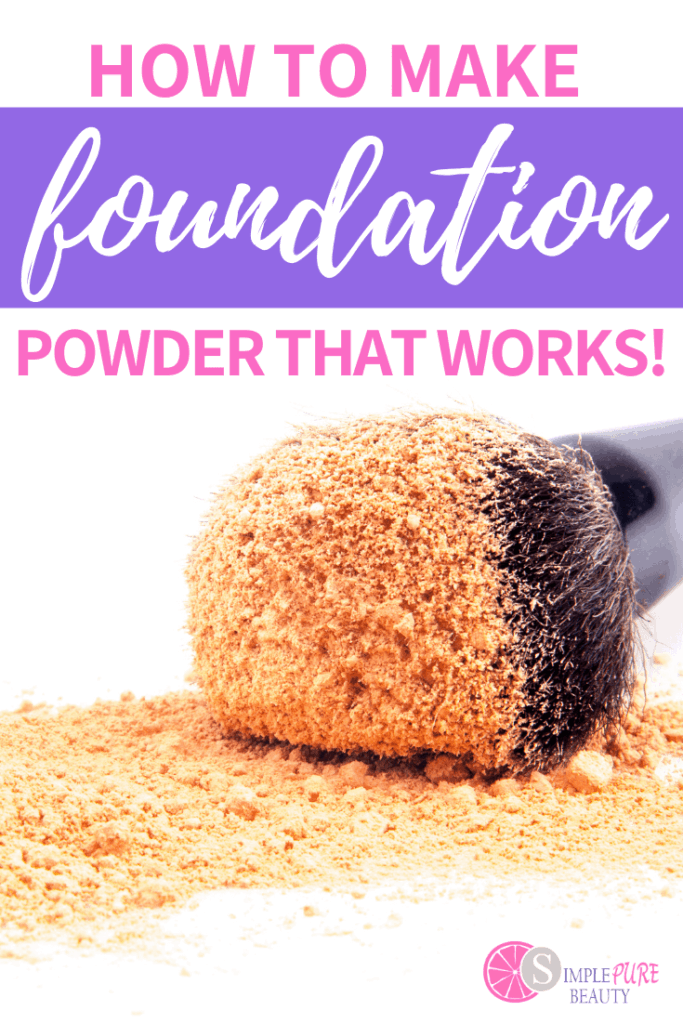
Homemade foundation powder is effortless to make. You can create a simple face powder by mixing arrowroot powder and either cocoa powder or cacao powder for tint.
There are definitely other ingredients you can include, but they are not necessary.
I am sharing a few really great DIY powder foundation recipes!
How Can I Make Liquid Foundation at Home
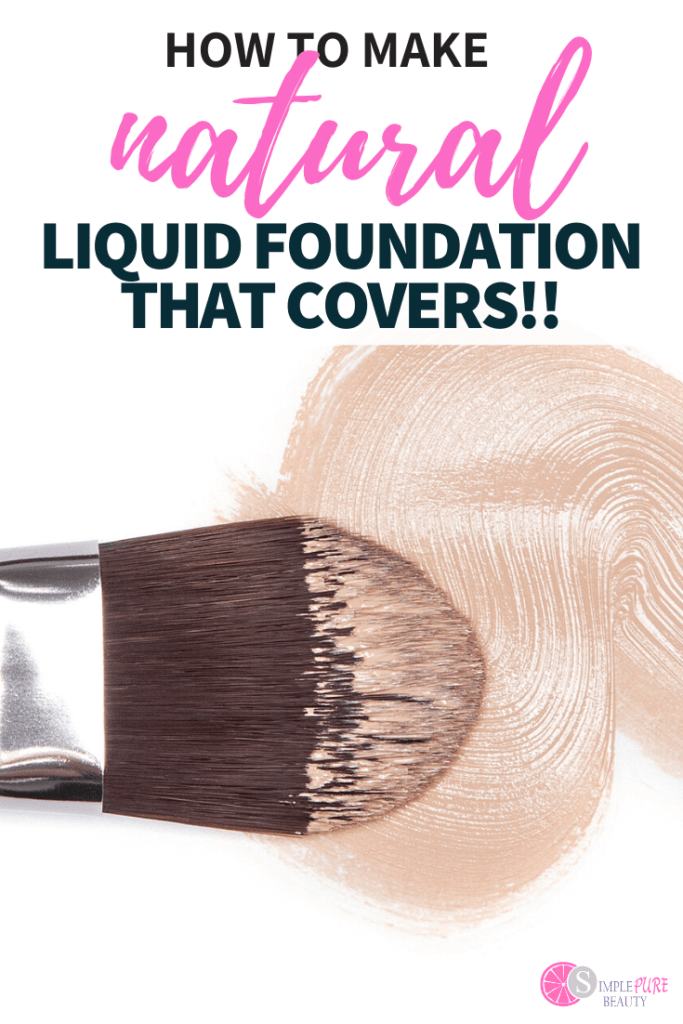
Making a DIY liquid foundation from scratch is definitely a little more involved than making a foundation powder.
Unless you have a facial lotion or face cream that you love, you will have to make the base for your liquid foundation.
This can involve melting down butters, beeswax, and carrier oils to create a base for your tint.
Some linked recipes include zinc oxide alongside cocoa or cacao powder. Its presence in homemade foundation does not establish a reliable SPF. Homemade foundation should not replace a separately tested broad-spectrum sunscreen.
A water-containing foundation intended for storage and repeated use needs an appropriate broad-spectrum preservation system validated for the finished formula. Adding a preservative ingredient such as sodium benzoate does not by itself establish complete protection.
I have included multiple DIY Liquid Foundation Recipes for you to choose from!
You can choose the recipe that you have the ingredients for already and whip up some all-natural foundation!
Have some fun experimenting and come back and tell me your favorite!!
5 DIY Foundation Recipes at a Glance
| Source | Format | Listed base ingredients/options | Before you choose |
|---|---|---|---|
| Pronounce Skincare | Oil/butter/wax-based foundation | Almond oil, shea butter, cocoa butter, beeswax | Zinc oxide does not establish SPF; cinnamon can irritate. |
| Simple Life Mom | Powder and liquid options | Three powder options and one liquid option | Read the chosen option’s full ingredients and method. |
| Wellness Mama | Liquid emulsion | Oil/butter base plus aloe and witch hazel | Contains water-based ingredients; finished-formula preservation is required for storage. |
| Mommypotamus | Powder | Arrowroot and cocoa powder as the two-ingredient base | Keep dry and consider individual tolerance; optional additions can change suitability. |
| Dr. Axe | Oil/butter-based foundation | Cupuacu butter, coconut oil, cocoa butter, rosehip seed oil | Zinc oxide does not establish SPF; consider coconut-oil tolerance and cinnamon irritation. |
Which Foundation Should I Make?
With five options to choose from, here's a quick way to narrow it down:
- New to DIY makeup? The Mommypotamus powder recipe has a two-ingredient base and no melting step. Review the source instructions and patch test rather than assuming fewer ingredients guarantee tolerance.
- Want an oil-and-butter format? Compare the listed ingredients in Pronounce Skincare and Dr. Axe. Their bases differ; this roundup does not promise a particular coverage or finish.
- Considering the Wellness Mama liquid emulsion? Read the preservation caution below before choosing a water-containing formula for storage.
- Want to compare multiple formats before committing to one? Simple Life Mom’s roundup covers powder and liquid options in one post.
Read These Notes Before Choosing a Recipe
Recipes 1 and 5 — zinc oxide and SPF: The Pronounce Skincare and Dr. Axe source titles refer to sunscreen. These are third-party recipe titles, not evidence of tested sun protection. Adding zinc oxide to a homemade foundation does not establish a reliable SPF. Use a separately tested broad-spectrum sunscreen; do not rely on these foundations for sun protection.
Recipe 3 — preservation: The Wellness Mama formula includes aloe and witch hazel, both water-based ingredients. Preservatives already present in those ingredients cannot be assumed to protect a new mixture. A water-containing formula intended to be stored and repeatedly used needs an appropriate broad-spectrum preservation system validated for the finished formulation. Refrigeration or using it within a few days or weeks does not make an inadequately preserved formula reliably safe. Do not plan to store and repeatedly use this mixture without that finished-formula preservation assessment.
Cinnamon: Cinnamon appears in the Pronounce Skincare and Dr. Axe recipes and as an optional addition in Mommypotamus. It can irritate or sensitize some skin, so do not assume a kitchen ingredient is suitable for a leave-on facial product. Review the complete recipe and patch test before broader use.
Recipe 5 — coconut oil: The Dr. Axe recipe includes coconut oil, which may not suit everyone prone to clogged pores. Individual response and the finished formula matter; a numerical rating is not a guarantee. See the comedogenic ratings guide for more context.
5 DIY Foundation Recipes
Learn how to make your own clean homemade foundations using these awesome recipes!
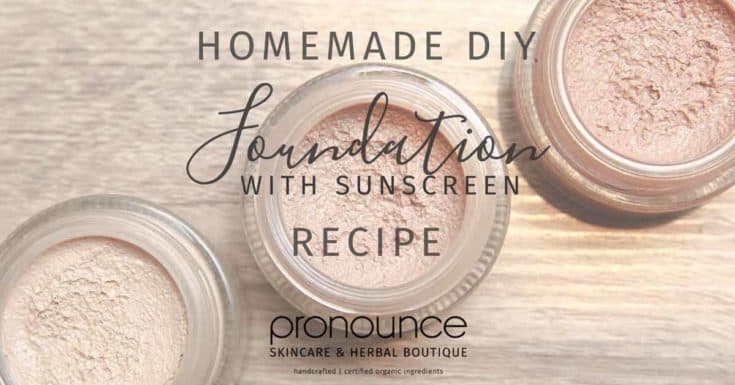
Smooth Finish DIY Organic Foundation Makeup…With Sunscreen
This smooth finish diy foundation is pretty simple with a beautiful outcome. Jess combines almond oil, shea butter, cocoa butter, beeswax, vitamin E, zinc oxide, cacao powder and cinnamon to create this lovely foundation recipe. If you don't want to make your own, you can also purchase it from her shop as well!
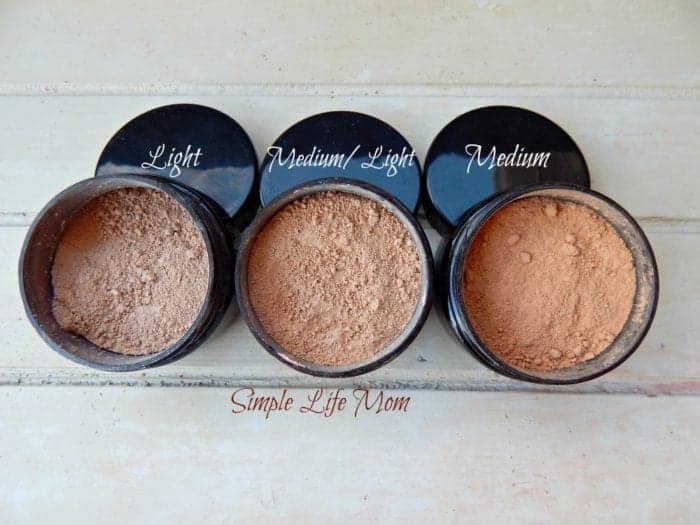
4 Homemade Foundation Recipes
If you want homemade foundation options, you're going to love this post from Simple Life Mom. She shares 3 different options for powder foundation + a liquid foundation recipe as well!
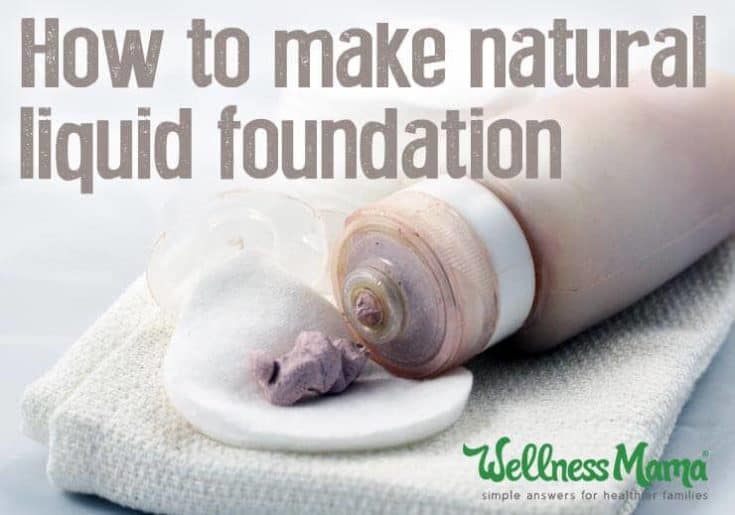
Natural Liquid Foundation Recipe
In this natural foundation recipe from Wellness Mama, the main ingredients are argan or jojoba oil. (These are both great if you are prone to breakouts.) She also includes shea butter, emulsifying wax, aloe and witch hazel as the base.
If you have a pre-made lotion that you love, you can skip the top ingredients and just add zinc oxide, cocoa powder, mica and clay to tint your lotion to create the foundation.
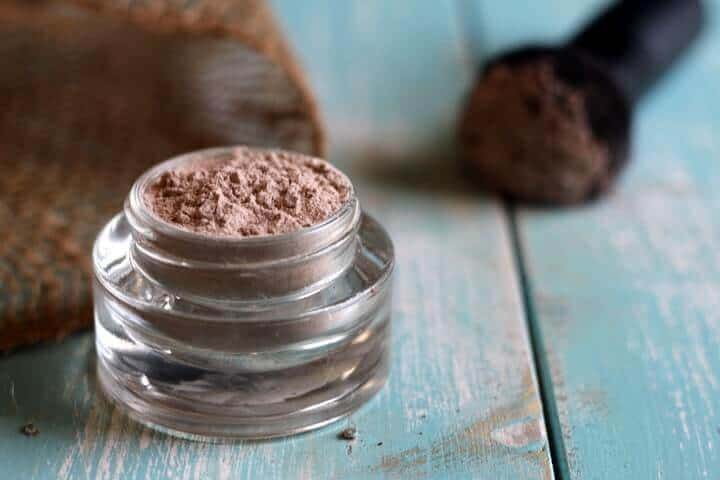
DIY Foundation Powder
If you are looking for a homemade foundation recipe with light coverage that is so easy to make, look no further! You will only need 2 ingredients for this homemade foundation powder from Mommypotamus. A simple mixture of arrowroot powder and cocoa powder will give you a finished product that is light and airy and so easy to make!
If you want to go a little crazy and add a few more ingredients, she does offer a few suggestions: cinnamon, bentonite clay or french green clay.

DIY Foundation Makeup with Sunscreen
The main ingredients in this DIY liquid foundation recipe are cupuacu butter, coconut oil, cocoa butter and rosehip seed oil which is great for anti-aging. If you have trouble with breakouts, I would not recommend using coconut oil on your face. It also includes zinc oxide for sun protection and cacao powder and cinnamon to create your perfect shade!
DIY Foundation FAQs
Does homemade foundation need a preservative?
It depends on the complete formula and how it will be used. Dry powders and oil/butter/wax formulas without water have different preservation needs from formulas containing water, aloe, or hydrosols; they are not immune to contamination. A water-containing foundation intended for storage and repeated use needs an appropriate broad-spectrum preservation system validated for the finished formula. Preservatives in an individual aloe or witch-hazel ingredient do not automatically protect the new mixture.
How long does DIY foundation last?
There is no single shelf life that can be assigned to these different homemade formulas. Ingredients, packaging, handling, storage, and preservation all matter. Do not rely on refrigeration or a short “few days” or “couple weeks” window to make an inadequately preserved water-containing foundation reliably safe. Without appropriate finished-formula preservation and testing, a safe storage period has not been established.
How do I adjust the shade?
Start with a small amount of your tinting ingredient, such as cocoa powder, cacao powder, or cosmetic-grade mica, and add gradually according to the source recipe. After patch testing, check the shade on your jawline. It is easier to add color than to lighten a batch that is too dark; changing a formula can also affect its texture and preservation.
Can I make foundation for sensitive skin?
Ingredient control can be useful, but DIY foundation is not inherently safer or automatically suitable for sensitive skin. Individual tolerance, irritation, contamination, and the complete formulation matter. Review every ingredient, including cinnamon and coconut oil where present, and patch test the finished product before broader use.
What is the difference between DIY powder and liquid foundation?
Powder formulas combine dry ingredients. Liquid and cream formulas may combine oils, butters, and waxes, and some also include water-based ingredients. Those differences affect preparation and preservation needs. Coverage, finish, and skin feel depend on the actual formula and application; they should not be assumed from the format alone.
I hope you've enjoyed learning all about making DIY Foundation! Be sure to pin this post and share it!
If would like a lovely lip gloss to go with your foundation, you can learn how to make lip gloss here. Our recipe and tutorial is completely customizable. We've included a lip gloss base that you can customize with any colors and tints you choose!
Pin DIY Foundation Recipes for Later
I absolutely LOVE the ScratchMommy.com foundation!!! I cannot say enough good things about it! It's my everyday go to moisturizer/foundation. I've officially made my own now too and I love it. It was easy, fairly quick and it's working great!
That's awesome! I've only made the powdered foundations, but I am definitely going to make this recipe now! 🙂
How do you know what recipes will get your exact shade or is it one fits all?
Depending on the recipe you're using, you can adjust the shade by adding more or less cocoa or cacao powder. 🙂
I love this powdered foundation!!! It works great! I was afraid it would rub off right away but it didn't! I actually replaced the arrowroot powder with corn starch and it worked amazing! I have been looking for a homemade easy recipe and I am so happy to have finally found exactly what I have been looking for!!! You should definitely try it!
Excellent