Comedogenic Ratings of Skincare Ingredients | Carrier Oils & Butters
You’ve seen it on product labels, you’ve read about it when you’re researching your skincare ingredients, but what on earth does comedogenic rating even mean?
Well, no matter what your skin type or the type of products you're making or buying, it’s important to know if the ingredients are comedogenic or non-comedogenic.
Long story short, the comedogenic scale will let you know if your ingredients are likely to clog pores or not.
A comedogenic rating tells you about an ingredient's potential to clog pores, but it isn't a guarantee of how that ingredient—or a finished skincare product—will behave on your skin. Concentration, the complete formulation, and your individual skin can all affect the outcome.
This is a good indicator as to whether or not certain ingredients are better for your skin type than others.
What Does a Comedogenic Rating Actually Mean?
Comedogenic ratings are best used as a starting point rather than a hard-and-fast rule. Many commonly referenced ratings are based on older testing methods that don't perfectly reflect how a finished skincare product will behave on human skin.
The amount of an ingredient in a formula matters, too. An oil used as the main ingredient in a facial oil isn't necessarily comparable to that same oil used at a much lower percentage in a cream or serum. Your skin type and the other ingredients in the formula can also influence how your skin responds.
So use the ratings below as a helpful comparison tool—especially if you're prone to clogged pores—but pay attention to how your own skin responds.
How do I know if a Product is Comedogenic?
The first step in telling if a product off the shelf or a DIY product is comedogenic is to look at the recipe or ingredient list.
When looking at your ingredient list take note of all carrier oils or body butters and check their comedogenic rating on the table below.
If all the oils have a comedogenic rating below 2, then the product is likely non-comedogenic.
If there are oils on the ingredient like that are a 3 or above on the comedogenic scale, then take note of where they are in the ingredient list.
If that oil is after ingredient 5, then there may not be enough of that oil in the product to clog pores.
Some products that you buy in-store may also bear a ‘non-comedogenic’ label. While it is not a universal label, some manufacturers will have a label or wording on the packaging deeming it non-comedogenic.
Keep in mind that this label is not federally regulated so be sure to look at your ingredient labels as well!
Pore-Clogging Ingredients
I get it, sometimes those ingredient lists can be pretty hard to decipher and you really just need a quick product off the shelf. But, what if it’ll clog your pores and you don’t even know? Good news!
Below is a quick list of ingredients that you may see on a product label, that may or may not be an oil in the comedogenic rating list.
This quick list from Acne.org can be used to check a product ingredient list, if the product contains one or more of these ingredients, and they show up at the top of the ingredient list, the product has a high likelihood of clogging your pores!
You can also take a look at this study on Pubmed listing their findings of some common ingredients in skincare products that are comedogenic as well. I've included them in the list below.
A note about these ratings: Many commonly cited comedogenicity lists are based partly on older testing methods and individual ingredients tested at concentrations that may not reflect how they're used in finished skincare products. Think of these ratings as a screening tool rather than a guarantee that an ingredient will—or won't—clog your pores.
Here's a Quick List of Ingredients to Avoid if you have Acne Prone Skin:
- Algae Extract
- Butyl Stearate
- Carrageenan
- Cocoa Butter
- Coconut Butter
- Coconut Oil
- D & C Red dyes
- Decyl Oleate
- Hexadecyl Alcohol
- Isopropyl Isostearate
- Isopropyl Myristate
- Isopropyl Palmitate
- Lanolin
- Laureth 4
- Moringa Oil
- Myristyl Myristate
- Myristyl Propionate
- Oleth-3
- Octyl Palmitate
- Octyl Stearate
- Palm Oil
- Propylene Glycol-2 (PPG-2)
- Red Algae
- Sodium Laureth Sulfate
- Soybean Oil
- Steareth 10
- Wheat Germ Oil
Choosing the Right Carrier Oils & Butters for Your Skin
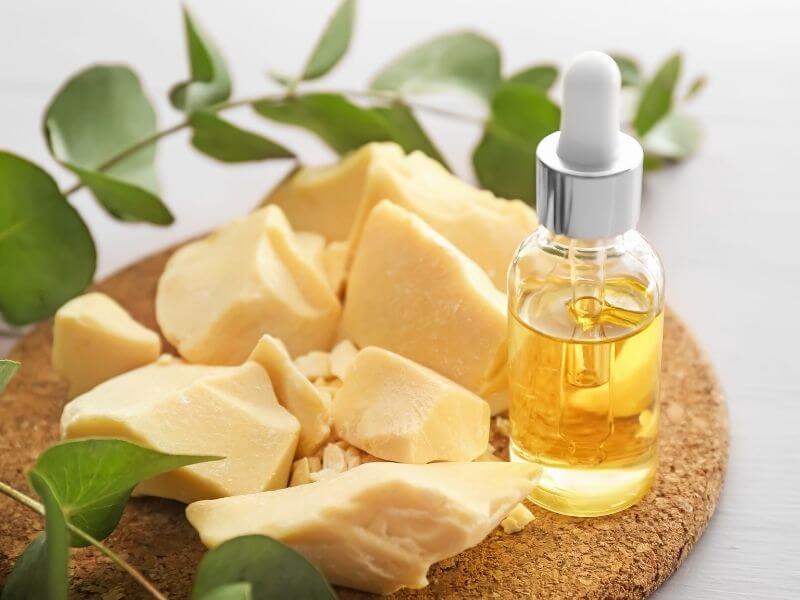
When picking an oil or butter for your skin, the comedogenic rating is just as important as your skin type!
Always keep in mind what type of skin you have and what works best for you! It’s always a great idea to try new products and oils on a less sensitive area of your skin to see how your skin reacts.
If you have troubled skin or you aren’t so sure where to start, try sticking to non-comedogenic oils when choosing or making your own skincare products.
Comedogenic Scale
So what exactly do the numbers on the Comedogenic scale even mean? We've put together a table below breaking it down for you.

Skincare Carrier Oils Comedogenic Ratings

Below is a quick reference table of common carrier oils and their ratings. You can use this table to see if an oil is comedogenic or non-comedogenic and the likelihood that it will clog your pores.
Want to go beyond comedogenic ratings?
Comedogenicity is only one factor to consider when choosing a carrier oil. Inside the Beauty Base Carrier Oils Database, you can compare fatty acid profiles, shelf life, skin-type recommendations, formulation information, and more to help you choose the right oils for your formulations.
Skincare Butters and Their Comedogenic Ratings
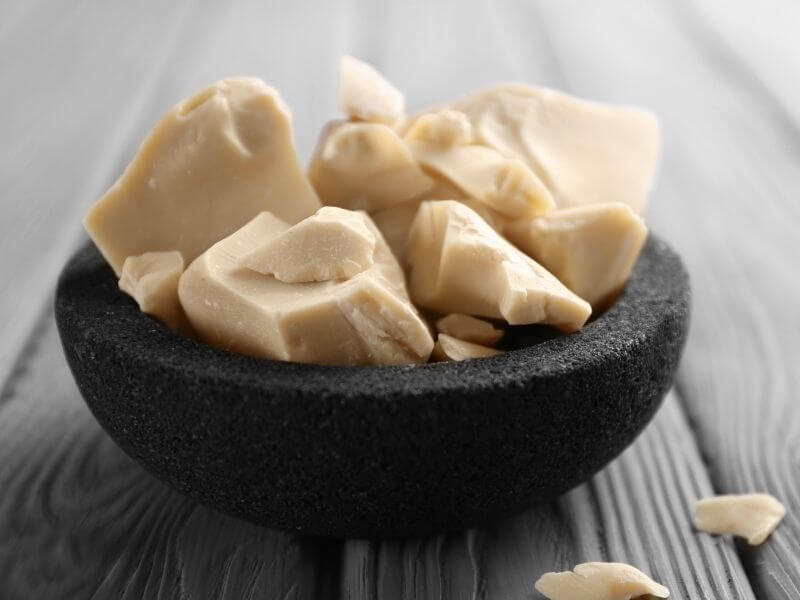
Below is a quick reference table of common butters used in skincare recipes. You can use this table to see if a butter you would like to use is comedogenic or non-comedogenic.
| Skincare Butters | Rating |
|---|---|
| Bacuri Butter Comedogenic Rating | 4 |
| Cocoa Butter Comedogenic Rating | 4 |
| Coconut Butter Comedogenic Rating | 4 |
| Cupuacu Butter Comedogenic Rating | 4 |
| Kokum Butter Comedogenic Rating | 0-1 |
| Mango Butter Comedogenic Rating | 2-3 |
| MuruMuru Butter Comedogenic Rating | 0-2 |
| Shea Butter Comedogenic Rating | 0-2 |
We've provided these ratings as a general guideline. It is always good to test carrier oils and butters to see how your skin reacts to them.
Everyone's skin is different and if you rule out certain ingredients because of their comedogenic ratings, you may miss out on other benefits!
Comedogenic Ratings FAQ
Are comedogenic ratings accurate?
Comedogenic ratings can be useful for comparing ingredients, but they aren't a guarantee. Testing methods, ingredient concentration, the complete formulation, and individual skin differences can all affect whether a product clogs your pores. Use the rating as one piece of information rather than your only deciding factor.
Does a high comedogenic rating mean a product will clog my pores?
Not necessarily. The rating generally applies to an individual ingredient, while a finished skincare product contains a combination of ingredients at different concentrations. An oil used at a small percentage in a formula may behave differently than that same oil applied directly to your skin.
What's the difference between comedogenic and acnegenic?
Comedogenic refers to the potential to contribute to clogged pores or comedones. Acne is more complex and can involve clogged pores, inflammation, excess sebum, bacteria, hormones, and other factors. That's why a comedogenic rating alone can't predict whether a product will cause acne for a particular person.
Are natural oils automatically non-comedogenic?
No. Natural carrier oils have different fatty acid profiles and properties, and their comedogenic ratings vary widely. That's one reason it's helpful to compare oils rather than assuming that "natural" automatically means suitable for every skin type.
Share this Post
If this information has been helpful to you, please be sure to bookmark and share this post on social media!