Vitamin E Benefits for Skin: How to Use, Where to Buy + DIY Recipes

Vitamin E is a fat-soluble antioxidant that helps protect skin's lipids from free radical damage. It has been used in skincare for many years, and it's also one of the most popular ways to keep oils and butters from going rancid.
Products containing vitamin E can help skin feel soft and conditioned.
Vitamin E is a popular ingredient in serums and formulations where you want antioxidant support and a conditioning feel.

Vitamin E Quick Facts
| Vitamin E Forms: |
| Vitamin E is a family of compounds called tocopherols and tocotrienols. For protecting oils in DIY recipes, mixed tocopherols are a useful choice. They include alpha-, beta-, gamma-, and delta-tocopherol. |
| Vitamin E is Extracted from: |
| Vitamin E was originally extracted from wheat germ oil but is now commonly extracted from soybeans. |
| INCI: |
| Tocopherol (mixed tocopherols). You may also see Tocopheryl Acetate, a more shelf-stable ester form. They are not the same ingredient, so check the INCI on your label. |
| Recommended for: |
| Vitamin E is used in many kinds of skincare products and is well tolerated by many people, but contact allergy to vitamin E does happen. Patch test first, especially if your skin is sensitive. |
| Vitamin E Absorption: |
| Vitamin E oil is thick and a little sticky, so it's usually used in small amounts within a recipe rather than applied on its own. |
| Vitamin E Recommended Usage Level: |
| Usage rate depends on how concentrated your vitamin E is, so follow your supplier's recommendation. For example, Lotioncrafter's Mixed Tocopherols 95% lists 0.25-0.75% in finished formulas and 0.02-0.25% to protect raw oils. Diluted blends like T-50 contain less active vitamin E, so check the guidance for your specific product. |
What is Vitamin E?

Vitamin E is a fat-soluble antioxidant that has been used in skin care products for years! Vitamin E is an antioxidant that helps protect cells from free radical damage. It can be used in a variety of skincare products at the usage rate recommended by your supplier. Patch test your finished product before using it more widely.
In DIY skincare you'll mostly run into two forms. Tocopherol is the free, active antioxidant, and it's the one that slows rancidity in oils and butters. Tocopheryl acetate is an ester form that is very stable on the shelf, but it doesn't work as an antioxidant inside your jar because the active part of the molecule is 'capped.' Enzymes in skin can convert some of it to tocopherol after you apply it, though how much is still debated. For protecting your recipes, look for tocopherol or mixed tocopherols on the label.
| Form | INCI on the label | What it does in a recipe | Good to know |
|---|---|---|---|
| Natural mixed tocopherols (often sold as Vitamin E T-50 or Mixed Tocopherols 95%) | Tocopherol | Slows rancidity in oils and butters; adds a conditioning feel | Concentration varies: T-50 is diluted, while 95% is much stronger. Follow your supplier's usage rate. |
| Tocopheryl acetate (vitamin E acetate, common in capsules and many inexpensive vitamin E oils) | Tocopheryl Acetate | Very shelf-stable ester used as a skin-conditioning ingredient | Doesn't protect your recipe from rancidity the way tocopherol does. Skin enzymes may convert some of it to tocopherol after you apply it. |
Vitamin E Benefits for Skin
Vitamin E has several benefits for skin, including helping protect against free radical damage. Antioxidants like vitamin E can play a supporting role in a sun-care routine, but vitamin E is not a sunscreen and doesn't replace SPF.
Vitamin E can help:
- Protect skin's lipids from free radical damage as part of an antioxidant routine.
- Soften and condition skin. As an oil-soluble ingredient, it adds a smooth, conditioning feel to oils, balms, and creams.
- Support the look of smoother, more supple skin when it's part of a good moisturizing routine.
You may have heard that vitamin E oil fades scars. Unfortunately, the research doesn't back that up. In a small double-blind study of 15 patients with surgical scars, topical vitamin E didn't improve how the scars looked, and some participants developed contact dermatitis (a red, itchy rash). For scars or wounds, it's best to check with your doctor or dermatologist rather than reaching for vitamin E oil.
Popular Vitamin E Uses for Skin
Vitamin E can be used in a variety of skincare products. Vitamin E can be used in serums, oils, creams, and many other products that support skin health and anti-aging.
Vitamin E is sometimes included in formulas aimed at dull-looking skin, but there isn't strong evidence that it fades hyperpigmentation on its own.
Vitamin E is often used in cosmetic products to extend their shelf-life. Antioxidants can help slow down the breakdown of product ingredients and Vitamin E is no exception.
Since it is fairly easy to add to formulations, it can be used as an antioxidant in products to help them last longer, particularly anhydrous products.
Antioxidant vs. preservative: This is the most important thing to know about vitamin E in DIY skincare. Vitamin E slows the oxidation (rancidity) of oils, but it does not stop bacteria, yeast, or mold from growing. If your recipe contains water, aloe, hydrosol, tea, or any other water-based ingredient, you still need a broad-spectrum preservative. Vitamin E can't replace one. Making water-based recipes? Read our guide to Geogard Ultra preservative.
| Vitamin E CAN... | Vitamin E CANNOT... |
|---|---|
| Slow rancidity in oils, butters, and balms | Preserve a recipe that contains water |
| Add a conditioning feel to a formula | Replace sunscreen |
| Work alongside other antioxidants such as rosemary CO2 extract | Be counted on to fade scars or heal wounds |
| — | Make an oil last forever (store it cool, dark, and capped) |
How to Use Vitamin E in Formulations
Vitamin E molecules like to blend with other oils, butters, and fats. It can be used in a variety of formulations like diy creams, body butters, scrubs, and balms as well as the oil phase of emulsions.
As an antioxidant, vitamin E is typically used at well under 1% of your total formula. Check your specific product's usage rate. Oil refining can reduce the concentration of tocopherol, Vitamin E, in oils that are sold.
When purchasing Vitamin E try to source oils that are unrefined or that have not been processed to ensure that you get the most out of your Vitamin E in your products.
Vitamin E is light and temperature-sensitive, so be sure that it is stored in a clean and dry place. You should also keep in a dark area or in an amber container to reduce breakdown. You should also add it to your formula in the cool-down phase. When packaging your products, keep in mind that you’ll need packaging that reduces light exposure.
*Information about formulations pulled from Formula Botanica
Warnings/Contraindications for Vitamin E
Vitamin E is generally well tolerated at the low levels used in skincare formulas, but concentrated (undiluted) vitamin E can irritate, and contact dermatitis from topical vitamin E has been reported. Patch test your finished product on your inner forearm for 24-48 hours before using it more widely, and stop using it if you notice redness, itching, or a rash. Avoid putting pure vitamin E oil on broken skin, wounds, or scars. Vitamin E can be used in many products, using a heavy product containing Vitamin E can clog pores to potentially cause breakouts. More vitamin E isn't necessarily better. Using more doesn't necessarily offer better protection, and concentrated vitamin E can irritate skin and make a formula feel sticky or heavy.
Where to Buy Vitamin E

Vitamin E Oil | Mountain Rose Herbs
Mountain Rose Herbs is committed to putting people, plants, and planet before profit with everything they do. They are committed to sustainability, and a certified Zero Waste company. They currently only offer shipping to the United States & Canada.

Natural Vitamin E Oil, Non-GMO (400 IU/g) (Tocopherol) | FNWL
From Nature With Love proudly offers an inspiring range of premium quality certified organic, conventional and complementary personal care ingredients for use within skin care, hair care, aromatherapy, massage, spa, herbalism and soap making applications. They also offer a Rewards program that pays you back 10% in rewards on every order. From Nature With Love is a US based company that does offer International Shipping.

Vitamin E (USP Cosmetic Grade) - Raw Material | New Directions Aromatics (CA)
New Directions Aromatics is a Canadian based company offering a wide variety of skincare and formulating supplies. They also offer a variety of Organic, Fair Trade & Ecocert Ingredients. They ship mainly to Canada & the US, but do offer International Shipping as well.

Vitamin E, Mixed Tocopherols 95% | Lotion Crafter
Lotion Crafter offers a wide variety of ingredients for all of your formulating needs. They offer carriers oils, preservatives, exfoliants, anti-aging ingredients, butters and so much more. I order a lot of my supplies from Lotion Crafter. Lotion Crafter offers local & International shipping.
Vitamin E Skincare Recipes
I love adding a touch of vitamin E to my oil-based recipes because it helps slow oxidation (rancidity) in oils and butters and adds a little conditioning feel.
Check out these skincare recipes all with a touch of Vitamin E.
-
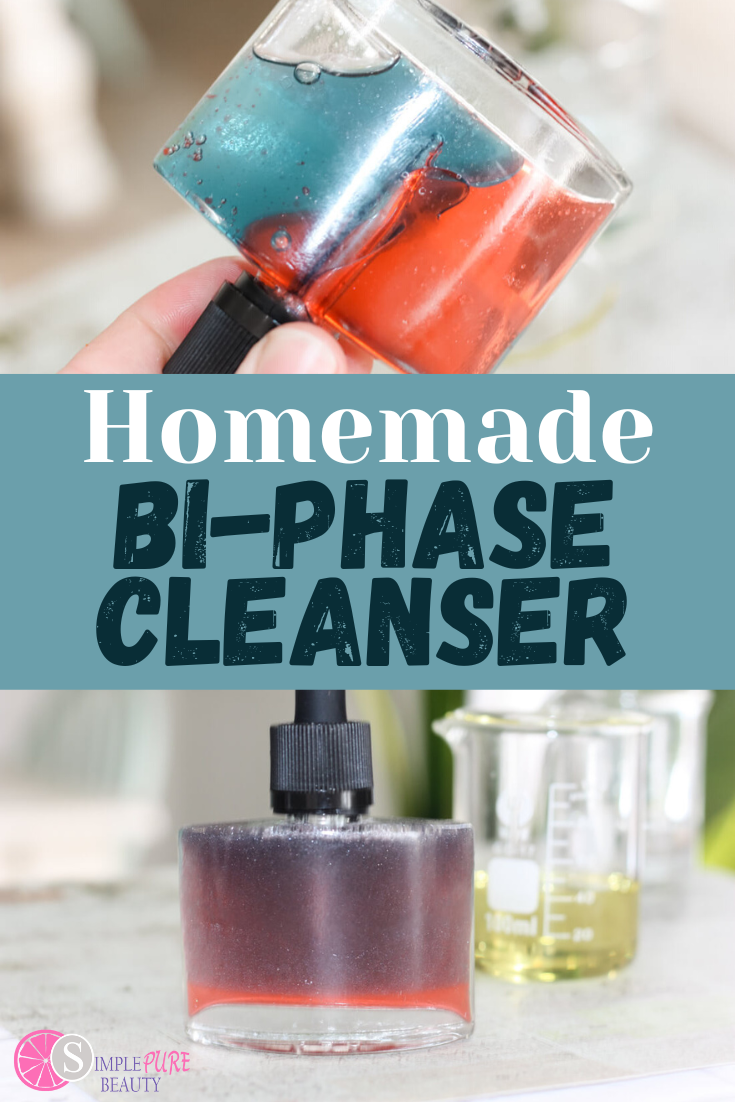
DIY Bi-Phase Cleanser for Sensitive Skin (Gentle Makeup Remover)
Cleansing your skin is kind of a necessity. Some of my favorite recipes are cleansers that are meant to help balance and gently cleanse your skin to keep it clean and happy. Today, I am going to introduce you to a gentle bi-phase cleanser that I put together with sensitive skin in mind. Everyone’s skin...
-
Simple DIY Hair Growth Oil Recipe
We’ve all wished for longer, stronger; healthier hair haven’t we? There are so many reasons you may experience hair loss, but no matter where you are in your hair growth journey, supporting a healthy scalp will support healthy hair growth. Using a hair growth oil that contains high–quality oils will help you get thicker, more...
-
Best Soothing DIY Aftershave Balm for Sensitive Skin
Ahh, a fresh, smooth shave. There isn’t much that compares to a perfect shave, especially when you have an aftershave balm that helps soothe irritation and moisturize your skin, helping you get the most out of your shave! Aftershave balms are a wonderful way to help hydrate your skin after shaving and soothe any irritation!...
-
DIY Whipped Mango Body Butter Recipe
Oh boy, do we have the perfect body butter for you! And the best part? You can make it yourself! Are you ready for super moisturized skin? Then this is the perfect recipe for you! Not only is this DIY recipe so simple and easy to make, but you're going to love the smell as...
-
How to Make Lip Balm Without Beeswax (Vegan Recipe)
Are you looking for a vegan lip balm that is good for you and the environment? You’re in luck! I am sharing a vegan lip balm that will keep your lips soft and smooth no matter what! This lip balm is all-natural and aims to hydrate and protect your lips to keep them from cracking,...
-
Creamy DIY Lip Balm with Shea Butter
Sometimes you just need a no-frills, go-to lip balm recipe that just gets the job done. Today I am sharing a creamy DIY lip balm with shea butter that glides on seamlessly leaving your lips completely nourished with a hint of shine. Before we get to the recipe, we are going to dig a little...


Vitamin E FAQs
Is vitamin E a preservative?
No. Vitamin E is an antioxidant that slows the oxidation of oils, which helps prevent rancidity. It doesn't stop bacteria, yeast, or mold from growing, so any recipe that contains water still needs a broad-spectrum preservative.
What's the difference between tocopherol and tocopheryl acetate?
Tocopherol is the free, active form that works as an antioxidant in your oils and butters. Tocopheryl acetate is a more shelf-stable ester that doesn't protect your recipe from rancidity the way tocopherol does. Check the INCI on the label to see which one you have.
Can I use vitamin E oil from capsules in my recipes?
It's not ideal. Many capsules contain tocopheryl acetate or a diluted oil that's meant for supplements, not cosmetics. For recipes, cosmetic-grade tocopherol or mixed tocopherols from a supplier are more reliable, and you'll know the usage rate.
How much vitamin E should I add to a recipe?
It depends on how concentrated your product is, so follow your supplier's guidance. For example, Lotioncrafter lists 0.25-0.75% for its Mixed Tocopherols 95% in finished formulas. More isn't necessarily better, and concentrated vitamin E can irritate skin.
Does vitamin E oil fade scars or wrinkles?
There isn't strong evidence that vitamin E alone fades scars or wrinkles. In a small double-blind study of surgical scars, topical vitamin E didn't improve their appearance, and some participants developed a skin reaction. That study looked at scars, not wrinkles. For scars or wounds, check with your doctor or dermatologist.
Pin Vitamin E Antioxidant Benefits for Skin
I hope you enjoyed learning all about the benefits of Vitamin E benefits for skin! Be sure to share and pin this post for later!