Carnauba Wax: Vegan Beeswax Alternative for Skincare Recipes!

Carnauba Wax is a wonderful wax that can add gloss and shine to almost anything! It is an emollient and helps thicken formulations.
It is a leaf extract and is a vegan-friendly alternative to Beeswax.
It is a hardening and structuring wax, not an emulsifier, and is excellent with oil-binding; particularly for ester and mineral oils.

Carnauba Wax Quick Facts:
| Carnauba INCI: |
| Copernicia cerifera wax |
| COSMOS and ECOCERT Standards: |
| Many suppliers offer COSMOS- and ECOCERT-certified grades. Certification is specific to the supplier and grade, so check the product you buy. |
| Carnauba Wax Melting Point: |
| The melting point of Carnauba Wax is 80-86 °C (176-186.8°F); it may vary by grade and supplier. |
| Carnauba Recommended Usage Levels: |
| Carnauba wax is very hard, so a little can make a noticeable difference in your finished product. The amount you'll need depends on what you're making and the other ingredients in your formula. Start with a small test batch, follow your supplier's formulation guidance, and adjust gradually until you achieve the texture you want. |
What is Carnauba Wax?
Carnauba Wax is derived from the Brazillian plant called the Copernicia. The waxy substance that is exuded from the plant naturally that helps prevent the plant from dehydration.
It is a hardening and structuring wax, not an emulsifier. It adds stability and firmness to oil-based (anhydrous) formulations because of its high melting point.
Benefits of Carnauba Wax
Carnauba Wax is an excellent choice for thickening and firming ester or mineral oils. This wax adds gloss and shine to a variety of products ranging from car waxes to lip glosses and lip gloss base recipes.
Carnauba Wax is an emollient that forms a light protective film on the skin. This can help reduce moisture loss, but it does not draw moisture into the skin. It can also help make products waterproof which is helpful in cosmetic and non-cosmetic products.
This wax has a particularly high melting point which increases the thermal stability of final formulations making it great for anything that needs to maintain a stiffer composition.
Carnauba Wax is also vegan-friendly and generally well tolerated, though no ingredient is guaranteed to suit everyone (see the note on sensitive skin below). It also increases the staying power of products which makes it a popular choice in hair styling waxes.
Is Carnauba Wax Natural?
Carnauba Wax is an all-natural byproduct of the Copernicia plant. Certified grades are available from some suppliers; it is also a vegan alternative to other waxes such as Beeswax.
Is Carnauba Wax Vegan?
Carnauba wax, a natural substance created by the leaves of a palm tree in Brazil, is vegan-friendly and plant-derived.
Is Carnauba Wax Safe for Sensitive Skin?
Carnauba wax is generally considered safe for cosmetic use, but no ingredient is guaranteed to suit everyone. Allergic reactions have been reported in lip and eye products that contain carnauba wax, so patch-test any new formula, especially a lip product, before using it regularly. If you notice redness, itching, or swelling, stop using it.
Things to Make with Carnauba Wax:
Carnauba Wax can be used in many different formulations. As a thickener, it can be used in balms and salves to help achieve a stiff composition.
It can also be used in lotion and soap bars. This wax can also be used to help waterproof and add shine to cosmetic products such as lip gloss, lipsticks, and lip balms.
Since Carnauba Wax is waterproofing and adds shine, it can be used in shining products like shoe and car wax. It can also be used in balms to help waterproof shoes and other clothing items.
In hair products Carnauba wax is great for increasing hold and stay and if often used in texturizing pastes and styling waxes.
It is also great for protecting hair.

How to Use Carnauba in Formulations
Carnauba Wax has a high melting point and should be melted into a liquid to incorporate into formulations.
It is also a stiffer wax that should be used in conjunction with other waxes and ingredients that contribute to a creamier texture.
Carnauba Wax should not be used alone in stick formulations; combine it with another wax.
It is harder than more commonly used waxes such as Beeswax, so it should not be substituted 1:1 for Beeswax without reformulating and testing. If you are using it as a substitute, you will likely need to use less in your formulations.
Carnauba Wax should be added during the heated oil phase. It is particularly good at blending ester and mineral oils.
Is your finished product too hard or brittle? Carnauba wax is very hard, and a small change in the amount can make a big difference. Try a new test batch with less carnauba wax, or blend it with a softer wax, butter, or oil. Carnauba also hardens quickly as it cools, so warm your other ingredients before combining to help prevent a grainy or uneven texture. Give the finished product a few days to fully set before you judge the texture, because it can keep firming up after it cools.
Carnauba Alternatives
If you are looking for an alternative to Carnauba Wax, we have a couple of wonderful options!
- First up is another harder, vegan-friendly wax, Candelilla Wax. This wax is also protective and has a higher than average melting point. They have similar qualities and in many formulations, have similar mixing ratios. Neither is a standalone emulsifier, so they won't mix water and oils on their own; both work best in oil-based (anhydrous) products.
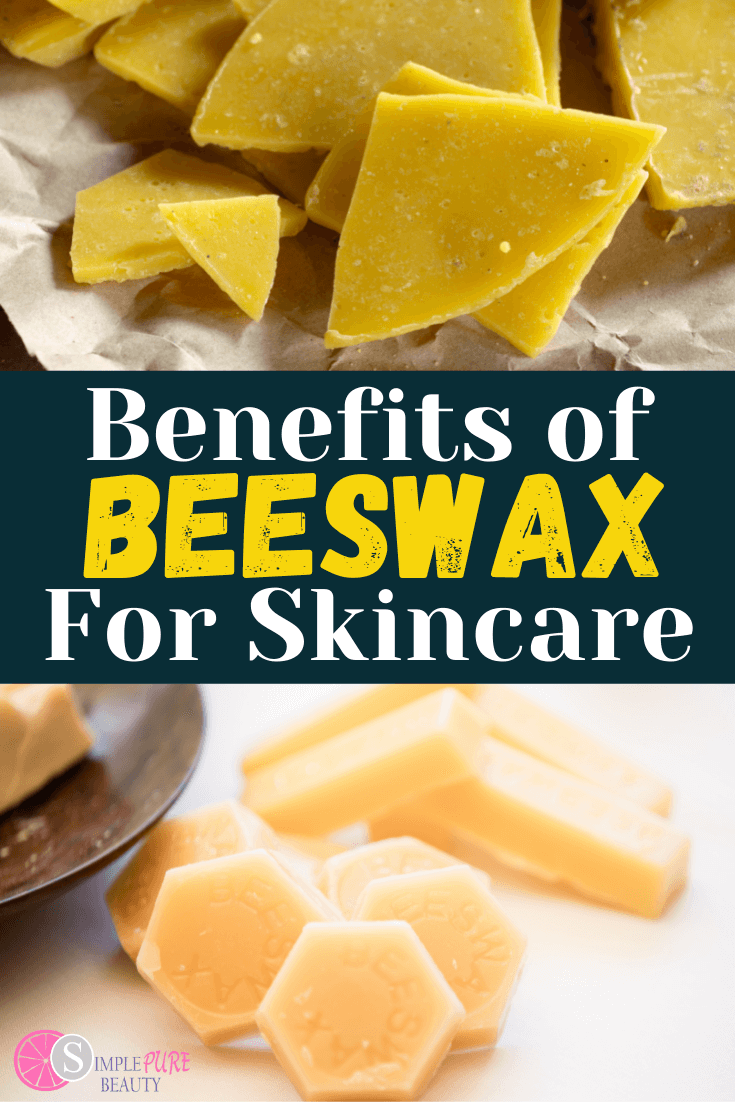
- Beeswax is another popular alternative to Carnauba Wax; it can be used in many formulations and has a softer, creamier texture. There are a few things to consider when thinking about substituting Beeswax for Carnauba Wax.
- You may need to use a larger amount of Beeswax in your recipes.
- Beeswax is also not an emulsifier and is not a vegan product.
Carnauba Wax vs. Beeswax at a Glance
| Feature | Carnauba Wax | Beeswax |
|---|---|---|
| Source | Leaves of the Copernicia cerifera palm (Brazil) | Produced by honeybees |
| Vegan | Yes | No |
| Relative hardness | Very hard, brittle at higher percentages; harder than beeswax and closer in behavior to candelilla wax | Firmer than oils and butters, but noticeably softer and more pliable than carnauba |
| Melting point | Approx. 80-86°C (176-187°F); varies somewhat by grade and supplier | Approx. 61-65°C (142-149°F) |
| Typical role | Hardening, structuring, gloss and film-forming agent | Structuring, thickening, tackifying agent |
| Tack / stickiness | Low: glossy, slippery finish | Higher: helps products like lip balm cling |
| Emulsifier? | No | No |
| Formulation note | Solidifies quickly once heat is removed; usually blended with a softer wax, butter, or oil rather than used alone | More forgiving to work with; commonly used alone in stick formulations |
Why carnauba isn't a 1:1 swap for beeswax: Carnauba wax is much harder than beeswax and melts at a much higher temperature, so using the same amount can make a balm brittle and glossy instead of soft and creamy. It's also less sticky, which matters in lip products, where beeswax's slight tack helps the product cling to your lips. If you're swapping carnauba in for beeswax, start with a smaller amount than the recipe calls for, blend it with a softer wax, butter, or oil, and adjust gradually.
Where to Buy Carnauba Wax

Carnauba Wax | Mountain Rose Herbs (US)
Mountain Rose Herbs is committed to putting people, plants, and planet before profit with everything they do. They are committed to sustainability, and a certified Zero Waste company. They currently only offer shipping to the United States & Canada.
Coupon option:
Mountain Rose Herbs is committed to putting people, plants, and planet before profit with everything they do. They are committed to sustainability, and a certified Zero Waste company. They currently only offer shipping to the United States & Canada. (Use Code: SIMPLEPURE15 to save 15% of all regular priced items!)

Carnauba Wax | Formulator Sample Shop (US)
Formulator Sample Shop carries a wide range of formulating and skincare ingredients including carrier oils, butters, preservatives, and more. You are able to purchase the exact quantities that you need, and if there is something you need that you don’t see on their website, just contact them! They do offer International Shipping as well.

Carnauba Wax Flakes | FNWL (US)
From Nature With Love proudly offers an inspiring range of premium quality certified organic, conventional and complementary personal care ingredients for use within skin care, hair care, aromatherapy, massage, spa, herbalism and soap making applications. They also offer a Rewards program that pays you back 10% in rewards on every order. From Nature With Love is a US based company that does offer International Shipping.

Carnauba Wax Certified Organic | Soapmakers Store (UK)
Based in the United Kingdom, Soapmakers Store is a family owned business specialising in the sourcing and supply of premium quality ingredients to the Cosmetic, Toiletry, Aromatherapy, and Soapmaking Industries. With over 40 years experience in the Natural Ingredients Industry, they will endeavour to be your 'one stop shop' for quality raw material supplies. They do offer shipping outside of Europe, but there will be additional charges.

Carnauba Wax Organic | New Directions Aromatics (CA)
New Directions Aromatics is a Canadian based company offering a wide variety of skincare and formulating supplies. They also offer a variety of Organic, Fair Trade & Ecocert Ingredients. They ship mainly to Canada & the US, but do offer International Shipping as well.

Carnauba Wax | Wholesale Supplies Plus (US)
Wholesale Supplies Plus offers a wide range of soap making & formulating supplies including bases, additives, carrier oils, fragrance & more. They are based in the US & while they do offer International shipping, they currently do not serve EU member states.

Carnauba Wax | Making Cosmetics (US)
Making Cosmetics is a company that specializes in providing ingredients of the highest quality packaged in convenient retail sizes but also large bulk sizes at discount rates. The company has been ISO certified, FDA registered, and USDA organic certified. Making Cosmetics supplies over 1,000+ ingredients to customers all around the globe who need them for their own products or to create their own recipes. Making Cosmetics ships to 150 countries worldwide.

Carnauba Wax | Lotioncrafter (US)
Lotion Crafter offers a wide variety of ingredients for all of your formulating needs. They offer carriers oils, preservatives, exfoliants, anti-aging ingredients, butters and so much more. I order a lot of my supplies from Lotion Crafter. Lotion Crafter offers local & International shipping.
Carnauba Wax Skincare Recipes
Now that you've learned all the amazing benefits of Carnauba Wax, how about some skincare recipes that you can try! Carnauba wax is harder than beeswax, so don't swap it 1:1 in these recipes without reformulating and testing a small batch first; you will likely need to use less.
-
DIY Bronzing Body Lotion Bars for Dry Aging Skin
We’re ending summer and starting fall, which can only mean one thing. That summer tan will be fading soon! Who doesn’t love the way their skin looks with that sunkissed glow? If you’re looking for a natural way to keep that glow throughout winter, then I have a new recipe that will knock your socks...
-
Baking Soda Free Deodorant Recipe for Sensitive Skin
Today we're tackling a gentle, natural deodorant recipe without baking soda that can be used on even the most sensitive skin! So if you're looking for a way to ditch the aluminum and other harsh chemicals in your current deodorant, but find that baking soda just doesn't work for you, give this fresh deodorant formula...
-
Barrier Repairing DIY Emulsified Lotion Bar Recipe
Looking for a body lotion that supports your zero waste lifestyle? Suffer from dry, cracked skin? Then you’ll need to check out this DIY, deep moisturizing lotion bar recipe for yourself! I have specifically chosen ingredients for this lotion bar to help repair the barrier function of the skin while deeply moisturizing! Lotion bars are...
-
How to Make Lip Gloss (Base Recipe + Customizable Color Options)
Would you like to learn how to make lip gloss at home that moisturizes and also looks amazing? Not only will you learn step by step how to create your homemade lip gloss recipe, you will also learn how to make a lip gloss base that can be customized to any color you like! All...
-
Creamy DIY Lip Balm with Shea Butter
Sometimes you just need a no-frills, go-to lip balm recipe that just gets the job done. Today I am sharing a creamy DIY lip balm with shea butter that glides on seamlessly leaving your lips completely nourished with a hint of shine. Before we get to the recipe, we are going to dig a little...
-
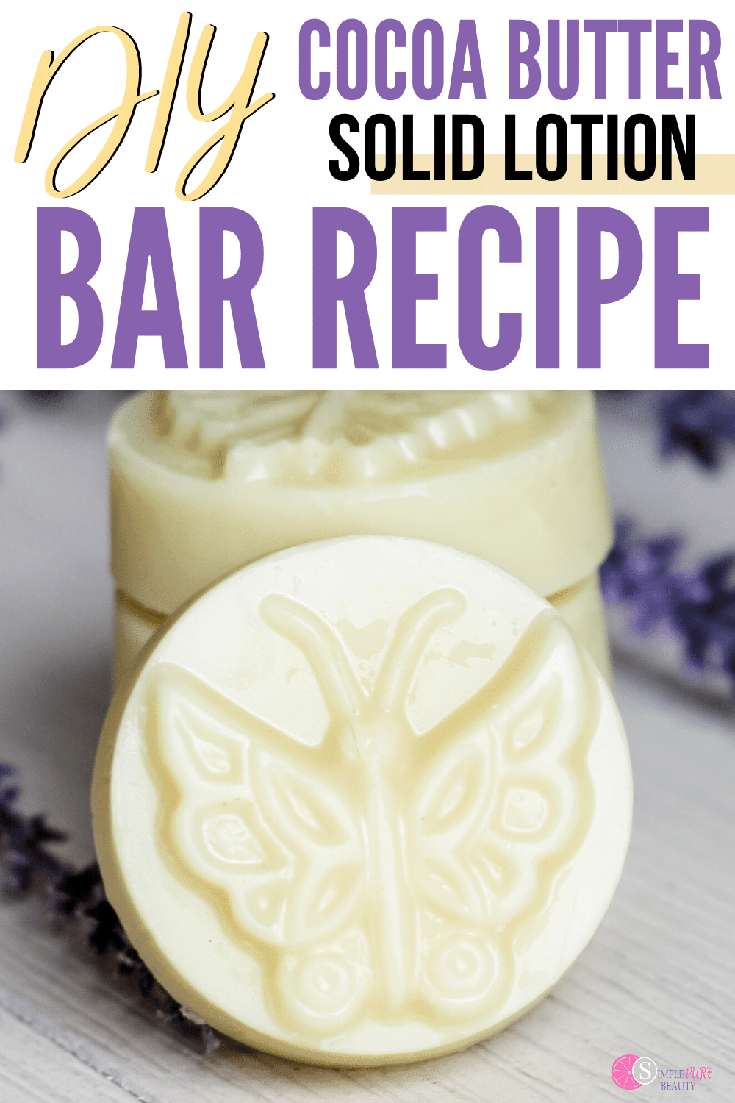
DIY Cocoa Butter Solid Lotion Bar Recipe
Are you ready for an all-natural solid lotion bar that your skin will literally be begging for all year long? Gentle on your sensitive skin but strong enough to keep your skin safe even in harsh weather? Well, we have it right here all wrapped up in a pretty little bow just for you! This...


Carnauba Wax FAQs
Is carnauba wax the same as beeswax?
No. Carnauba wax comes from the leaves of a Brazilian palm tree and is completely plant-based (vegan), while beeswax is produced by honeybees. They also behave differently in formulas: carnauba is significantly harder, has a much higher melting point, and creates a glossier, less tacky finish than beeswax.
Can I substitute carnauba wax for beeswax in a recipe?
You can, but not as a direct 1:1 swap. Because carnauba wax is much harder and less sticky than beeswax, using the same amount can make a formula too brittle or cause it to lack the tack beeswax normally provides, especially in lip products. Start with a smaller amount than the recipe calls for, test a small batch, and adjust based on the texture you get.
How much carnauba wax should I use in a formula?
It depends on what you're making and the other ingredients in your formula. Carnauba wax is very hard, so a little can make a noticeable difference. Start with a small test batch, follow your supplier's formulation guidance, and adjust gradually until you get the texture you want.
Is carnauba wax safe for sensitive skin?
Carnauba wax is generally considered safe for cosmetic use, but like any ingredient, it isn't guaranteed to be reaction-free for everyone. A small number of documented cases have linked carnauba wax in lip and eye products to allergic skin reactions, particularly around the lips. If you have reactive or sensitive skin, patch-test any new formula before regular use.
Why did my balm turn out too hard or brittle with carnauba wax?
Carnauba wax is much harder than beeswax, and its effect on texture increases quickly as you use more of it. If your balm is too brittle, try reducing the amount of carnauba wax, blending it with a softer wax, butter, or oil, and giving the finished product a few days to fully stabilize before judging the final texture.
Pin Carnauba Wax Benefits For Skin