
Rosemary CO2 Extract Antioxidant Benefits for Skin: How to Use, Where to Buy + DIY Recipes

Rosemary CO2 Extract is an antioxidant that is incredibly potent. It helps slow oxidation and rancidity in oils and oil-based products.
This antioxidant is often sold in a carrier oil to reduce potency.
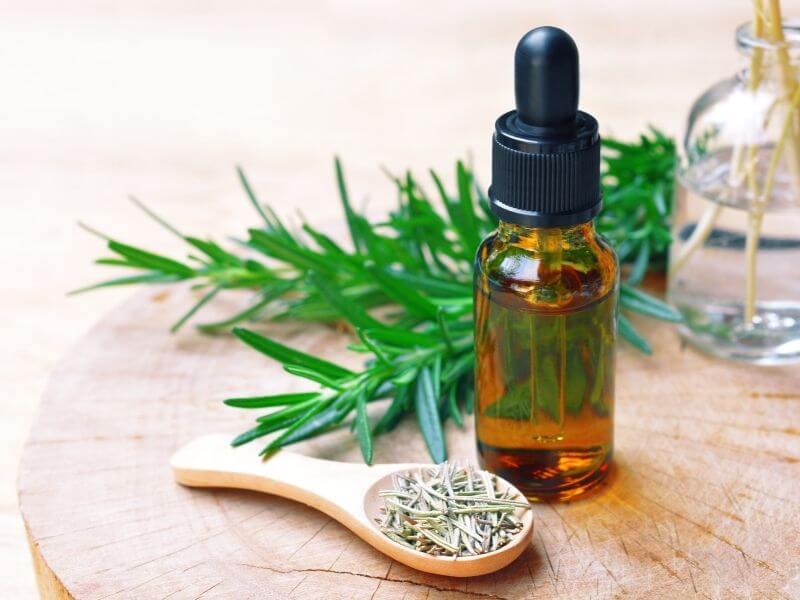
Rosemary Extract Antioxidant Quick Facts
| Rosemary Extract Scientific Name: |
| Rosmarinus officinalis L. |
| Rosemary Extract is Extracted from: |
| Rosemary CO2 is extracted from the rosemary plant using a supercritical carbon dioxide extraction method. The plant material is ground and exposed to carbon dioxide that goes through high temperatures and pressure. It is then able to dissolve part of the plant material that yields the rosemary extract. |
| INCI: |
| Rosmarinus officinalis (rosemary) leaf extract |
| Rosemary Extract COSING Number: |
| 79766 |
| Recommended for: |
| Dry, sensitive, and most skin types at the recommended usage level. Individual sensitivity can vary with any concentrated botanical extract, so patch test a finished formula before broader use. |
| Rosemary Extract Absorption: |
| Because of its potency, Rosemary Extract is often sold in a sunflower carrier oil which absorbs into skin quickly. |
| Rosemary Extract Recommended Usage Level: |
| The recommended usage level for Rosemary Extract is 0.05%-0.1% |
Usage rates can vary by supplier and by the concentration or standardization of the extract, so always check the technical data for the specific rosemary CO2 extract you are using.
How to Add Rosemary CO2 Extract to Your Formula
Rosemary CO2 extract is oil-soluble, not water-soluble, so incorporate it into the oil phase of your formula. Because it is thick and concentrated, you can first blend it into a small portion of the formula’s oil, then mix that into the rest of the batch for more even distribution. Add it while your oils are still fresh; antioxidants can help slow future oxidation, but they cannot reverse rancidity that has already occurred.
What is Rosemary Extract?
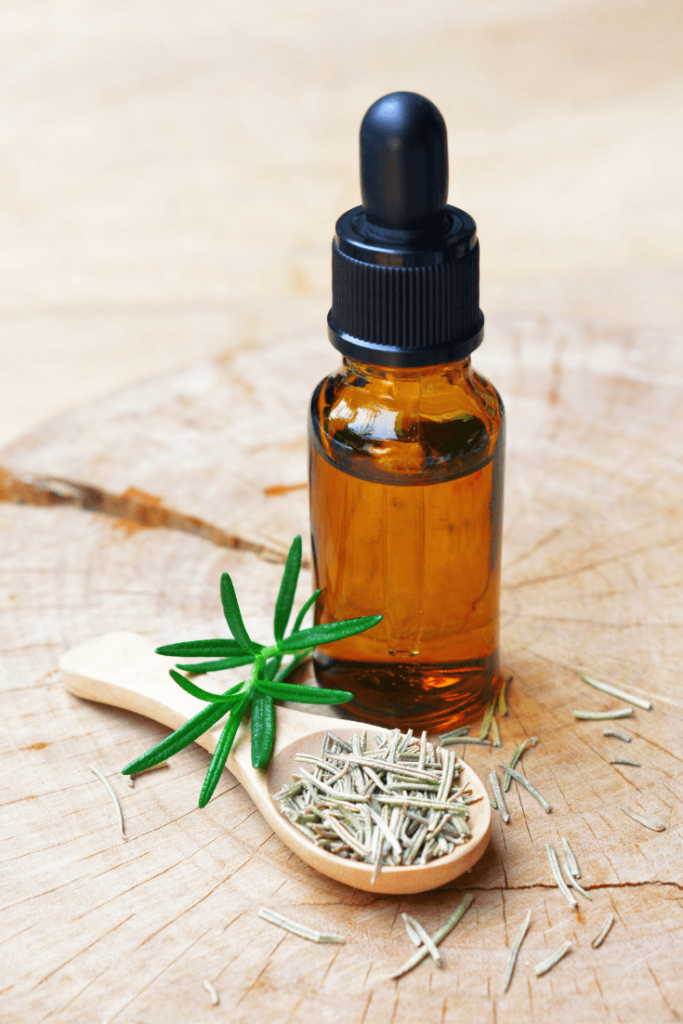
Rosemary CO2 Extract is a powerful antioxidant. It is derived from the leaves of the rosemary plant and has a strong fragrance.
It is often sold in a carrier oil to reduce potency. Rosemary CO2 Extract can be up to 10 times stronger than Vitamin E as an antioxidant.
Rosemary CO2 Extract is made by exposing the ground plant material to high pressure and high temperature carbon dioxide.
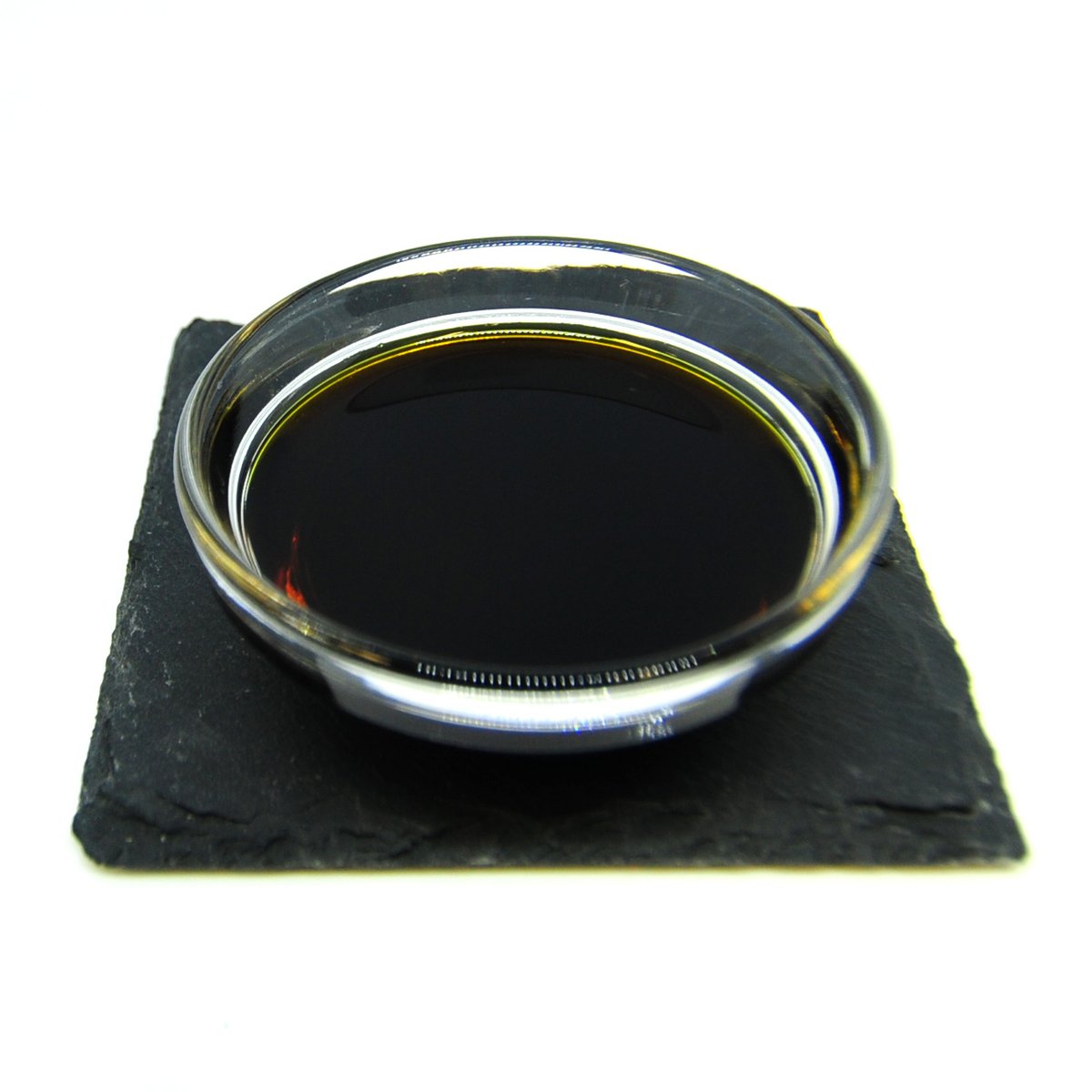
This dissolves the plant material leaving a brown viscous liquid that is the Rosemary Extract.
Rosemary CO2 extract is an antioxidant. It helps slow oxidation and rancidity in oils and oil-based products, which can help them stay fresh longer. It is not a broad-spectrum antimicrobial preservative and does not protect a water-containing formula from bacteria, mold, or yeast on its own. If your formula contains water, aloe, or hydrosol, you still need an appropriate broad-spectrum preservative system. Rosemary CO2 extract can be used alongside a preservative, but it is not a substitute for one.
| Rosemary CO2 Extract CAN | Rosemary CO2 Extract CANNOT |
|---|---|
| Help slow oxidation and rancidity in oils and oil-based products Provide antioxidant function Support oxidative stability | Replace broad-spectrum antimicrobial preservation in water-containing formulas Reverse rancidity after oils have oxidized Function as sunscreen or provide UV protection Substantiate wound-healing or treatment claims |
Is Rosemary CO2 Extract the same as Rosemary Essential Oil?
Rosemary essential oil is steam distilled from the leaves and flowers of the rosemary plant. This creates a light, fresh fragrance like fresh rosemary.
Rosemary CO2 extract uses a supercritical CO2 extraction method that produces a dark brown, viscous liquid with a strong aroma. These are 2 very different ingredients.
Rosemary Extract Benefits for Skin
Rosemary Extract helps provide antioxidant support against free-radical damage and may support a healthy, youthful-looking complexion over time.
Its antioxidant and anti-inflammatory compounds may also help support the appearance of calm, healthy-looking skin.
It can also help hydrate and soothe dry, irritated skin.
Due to its potent nature, this antioxidant can be used in small amounts and still provide amazing benefits.
Popular Rosemary Extract Uses for Skin
Rosemary Extract is used in a variety of ways. It is often used in oil-based products where it can help slow oxidation and rancidity. Rosemary Extract works wonderfully in serums and creams and can often be found in formulations intended to support the appearance of healthy-looking skin.
Rosemary CO2 Extract can also be used in butters and lotions that are meant to soothe dry skin and support the appearance of calm skin. It can also help slow oxidation in oil-based products such as salves and balms.
Warnings/Contraindications for Rosemary Extract
Rosemary CO2 Extract is generally safe to use so long as formulation guidelines are followed.
This antioxidant is extremely potent and will yield excellent results even when used in small amounts.
Be sure to follow all formulation guidelines for the product that you are using.
If you are using Rosemary Extract that is mixed with a carrier oil to reduce potency, follow recommended usage guidelines that are provided by the manufacturer.
Rosemary CO2 Extract FAQs
Is rosemary CO2 extract a preservative?
No. Rosemary CO2 extract is an antioxidant — it helps slow oxidation and rancidity, mainly in oils and oil-based products. It is not a broad-spectrum antimicrobial preservative, and it won't protect a water-containing formula from bacteria, mold, or yeast. If your recipe contains water, aloe, or hydrosol, you'll still need an appropriate broad-spectrum preservative system.
Does rosemary CO2 extract prevent rancidity?
It can help slow oxidation and extend how long oils and oil-based products stay fresh, especially when added while oils are still fresh. It cannot permanently prevent oxidation or reverse rancidity once an oil has gone off. It works best as part of good storage practices (cool, dark, airtight) rather than as a stand-alone fix.
How much rosemary CO2 extract should I use?
The usage range given here is 0.05%–0.1% of a formula, but the exact rate can vary by supplier and by the concentration or standardization of the extract. Check the technical data for the specific rosemary CO2 extract you are using.
Is rosemary CO2 extract the same as rosemary essential oil?
No. Rosemary essential oil is made by steam distillation. Rosemary CO2 extract is made using supercritical CO2 extraction, producing a darker, thicker material used for its antioxidant activity. They are different materials with different compositions and formulation roles; rosemary essential oil's uses are not limited to fragrance.
Can rosemary CO2 extract replace vitamin E in a formula?
Both can function as antioxidants and are sometimes used together, but they should not automatically be treated as interchangeable one-for-one. They are different materials and can behave differently depending on the formula. If a recipe specifically calls for vitamin E, follow that guidance rather than swapping in rosemary CO2 extract without testing.
Where to Buy Rosemary CO2 Extract
Rosemary Antioxidant | Mountain Rose Herbs
Mountain Rose Herbs is committed to putting people, plants, and planet before profit with everything they do. They are committed to sustainability, and a certified Zero Waste company. They currently only offer shipping to the United States & Canada.
FSS Rosemary Extract | Formulator Sample Shop (US)
Formulator Sample Shop carries a wide range of formulating and skincare ingredients including carrier oils, butters, preservatives, and more. You are able to purchase the exact quantities that you need, and if there is something you need that you don’t see on their website, just contact them! They do offer International Shipping as well.

Organic Rosemary Antioxidant CO2 Extract | FNWL (US)
From Nature With Love proudly offers an inspiring range of premium quality certified organic, conventional and complementary personal care ingredients for use within skin care, hair care, aromatherapy, massage, spa, herbalism and soap making applications. They also offer a Rewards program that pays you back 10% in rewards on every order. From Nature With Love is a US based company that does offer International Shipping.
Rosemary Oleoresin | Lotion Crafter (US)
Lotion Crafter offers a wide variety of ingredients for all of your formulating needs. They offer carriers oils, preservatives, exfoliants, anti-aging ingredients, butters and so much more. I order a lot of my supplies from Lotion Crafter. Lotion Crafter offers local & International shipping.

Rosemary Antioxidant CO2 Extract | New Directions Aromatics (CA)
New Directions Aromatics is a Canadian based company offering a wide variety of skincare and formulating supplies. They also offer a variety of Organic, Fair Trade & Ecocert Ingredients. They ship mainly to Canada & the US, but do offer International Shipping as well.
Pin Rosemary CO2 Extract Antioxidant Benefits for Skin
I hope you enjoyed learning all about the benefits of Rosemary CO2 Extract Antioxidant benefits for skin! Be sure to share and pin this post for later!

Thank you for this info! I am just wondering, what are the differences in the extract & the essential?
Thank you!!!!
Hi Linda! Rosemary essential oil is steam distilled from the leaves and flowers of the plant. This creates a light, fresh fragrance like fresh rosemary. Rosemary CO2 extract uses a supercritical CO2 extraction method that produces a dark brown, viscous liquid with a strong aroma. Rosemary CO2 extract has 10X the antioxidant properties of vitamin E. You definitely want to use a very low percentage when working with Rosemary CO2 extract.
Hope that helps!