Geogard Ultra Preservative Formulating Guidelines & Safety
Geogard Ultra is a natural broad spectrum preservative the combines two organic acids that work together to provide long-lasting, effective protection from the growth of bacteria and fungi.
This preservative also adds a bit of extra moisturization to products making it a great preservative for creams and lotions. This preservative can be used in a variety of skincare products.
If you’re looking for broad spectrum preservative, check out the guidelines below to see if this is the one for you!
Geogard Ultra Quick Facts
| Geogard Ultra is also known as: |
| NeoDefend, Gluconolactone SB |
| Geogard Ultra INCI: |
| Gluconolactone (and) Sodium Benzoate (and) Calcium Gluconate |
| COSMOS and ECOCERT Standards: |
| Geodgard Ultra is COSMOS and ECOCERT approved. |
| Geogard Ultra Ingredients: |
| Sodium Benzoate and Gluconolactone |
| Geogard Ultra Preservation Activity: |
| The two ingredients, sodium benzoate, and gluconolactone work together to provide broad-spectrum protection. It slowly releases gluconic acid over time, controlling the growth of bacteria and fungi. |
| Is Geogard Ultra Water Soluble? |
| Water-soluble (up to approximately 4%); dispersible in glycols and alkyl sulfate surfactant systems; not soluble in oils, silicones, or ethanol. |
| PH Compatibility: |
| Geogard Ultra can be used with pH levels 3-6. |
| Recommended Usage Levels: |
| Geogard Ultra has a recommended usage level of 0.75-2.0% |
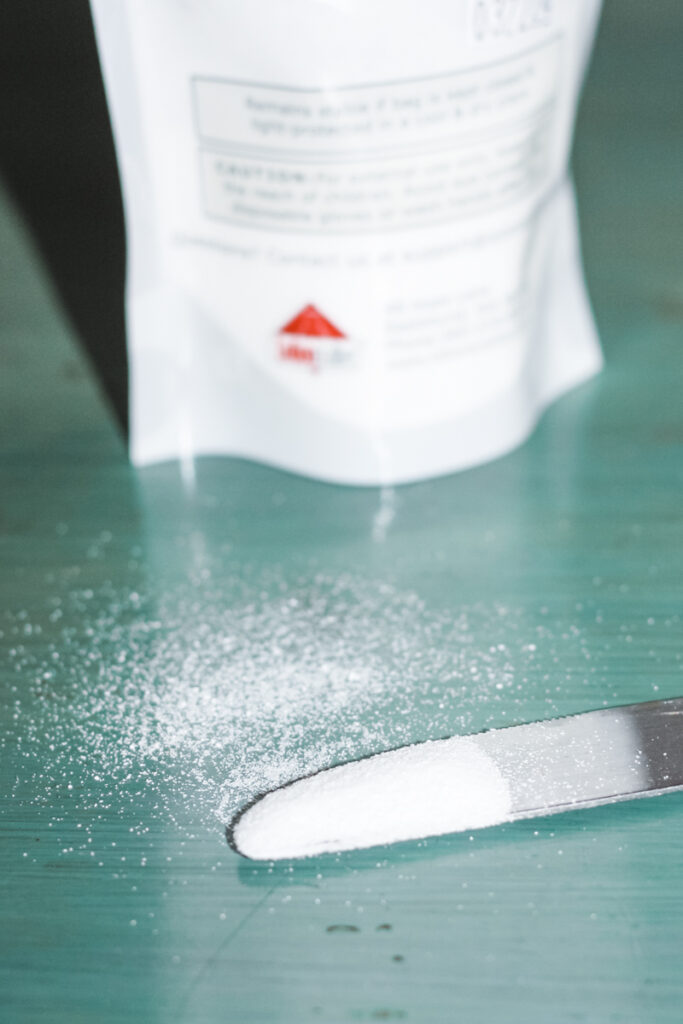
What is Geogard Ultra?
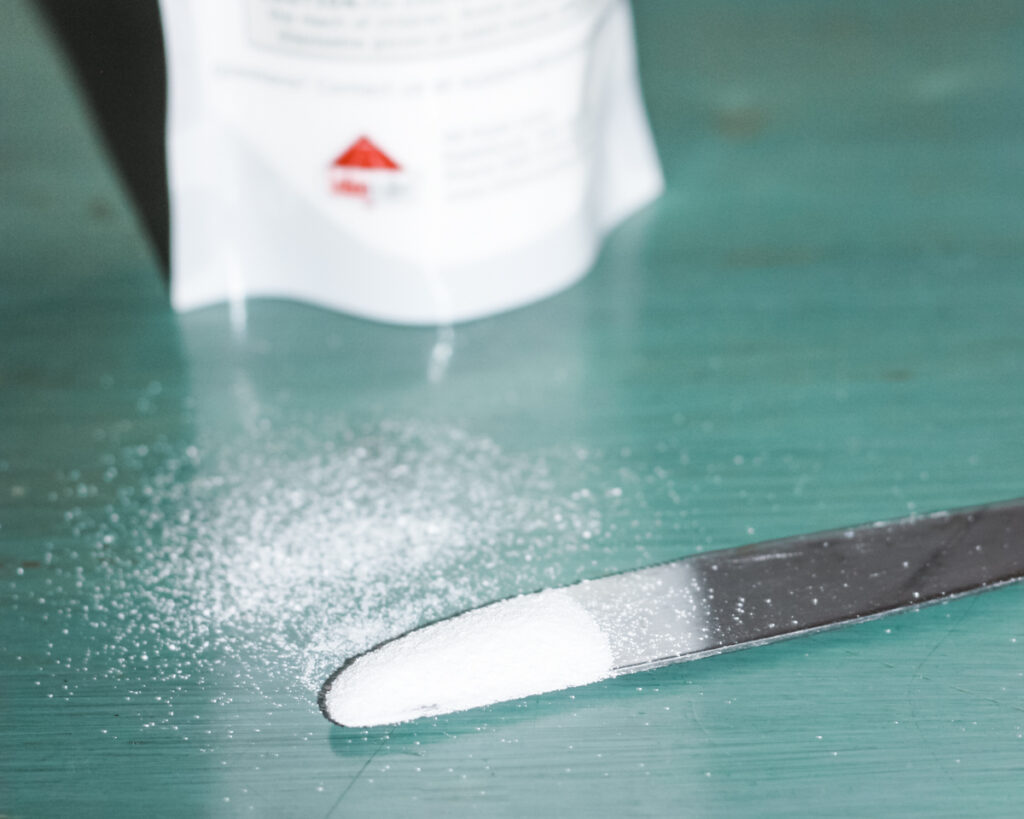
Geogard Ultra is a powdered preservative with two ingredients that work together to control the growth of bacteria and fungi.
This preservative contains two organic acids that don’t do much by themselves, but when combined, work very effectively to preserve your skincare products.
It is compatible with a wide range of products and is fairly easy to use, making it a great natural preservative to help extend your products’ life.
Geogard Ultra protects your skincare products from growth of bacteria and fungi.
Is Geogard Ultra Safe?
Geogard Ultra is generally safe; it is easy on the skin and is often used in baby skincare products. It has an excellent safety profile and has a wide range of global regulatory acceptance.
Is Geogard Ultra Natural?
Geogard Ultra is a natural preservative that contains two organic acids. This preservative is also non-GMO.
It is a preservative that meets ECOCERT standards. It can be used in natural and organic products.
Geogard Ultra Uses
Geogard Ultra can be used in a wide variety of products such as:
- Lotions
- Creams
- Body wash
- Foundation
- Moisturizers
- Baby wipes
- Baby Lotions
And much more! It is a very gentle preservative that can be used in products where gentleness is needed.
Choosing ingredients for your next formulation? The Beauty Base Carrier Oils Database makes it easy to compare carrier oils by fatty acid profile, shelf life, skin type, formulation properties, and more.
How to Use Geogard Ultra Preservative in Formulations
Geogard Ultra is a fairly easy to use preservative. It works best when used in formulations with a pH of 3-6.
It has a recommended use of 0.75-2.0% and can be added to a formulation at room or elevated temperatures.
Geogard Ultra can cause the pH of some formulations to drift downward over time. Check the pH after adding the preservative and again after the formulation has had time to equilibrate. If pH drift is a concern, a citrate or phosphate buffer may be used according to the manufacturer's formulation guidance. Always verify that the finished product remains within the preservative's effective pH range.
To maximize the pH stability of the final formulation, it may be necessary to use a citrate buffer and adjust the pH:
- Dose the final product with the required level of Geogard Ultra® along with a 1.5x amount of sodium citrate. So, a 2% dose of Geogard Ultra® should be accompanied by 3% sodium citrate
- Mix thoroughly to ensure all solids have dissolved and adjust the pH of the formulation to 7.00-7.25 with 30% sodium hydroxide
- Finally, adjust the pH to desired final product pH (pH 5.4–5.5 is ideal) with dilute sodium hydroxide or citric acid solution
For most skincare products, you want a PH of 5-5.5. This can be adjusted using a pH modifier like Sodium bicarbonate or Citric acid.
Geogard Ultra Warnings
There is concern that Sodium Benzoate, if combined with L-Ascorbic Acid may form Benzene, which is a known carcinogen.
Ascorbic acid and bezoates on their own, doesn't always lead to the formation of benzene. It does require additional conditions such as heat, ultraviolet light and metallic ions in the formula.
Because their is still potential of benzene forming, it is recommended that you DO NOT use Geogard Ultra with L-Ascorbic Acid (Vitamin C). That's why we chose an alternative preservative for our DIY Vitamin C Serum, Dermosoft 1388 Eco.
It is always recommended to perform a patch test when using new skincare products after the preservative has been mixed into the product at the recommended usage level.
If you have any concerns about working with Geogard Ultra, call the manufacturer for clarification.
This caution is specific to L-ascorbic acid (vitamin C). It does not mean that all acids should be avoided when formulating with Geogard Ultra. Citric acid, for example, may be used to adjust the pH of a formulation when appropriate.
Where to Buy Geogard Ultra/Neodefend Preservative
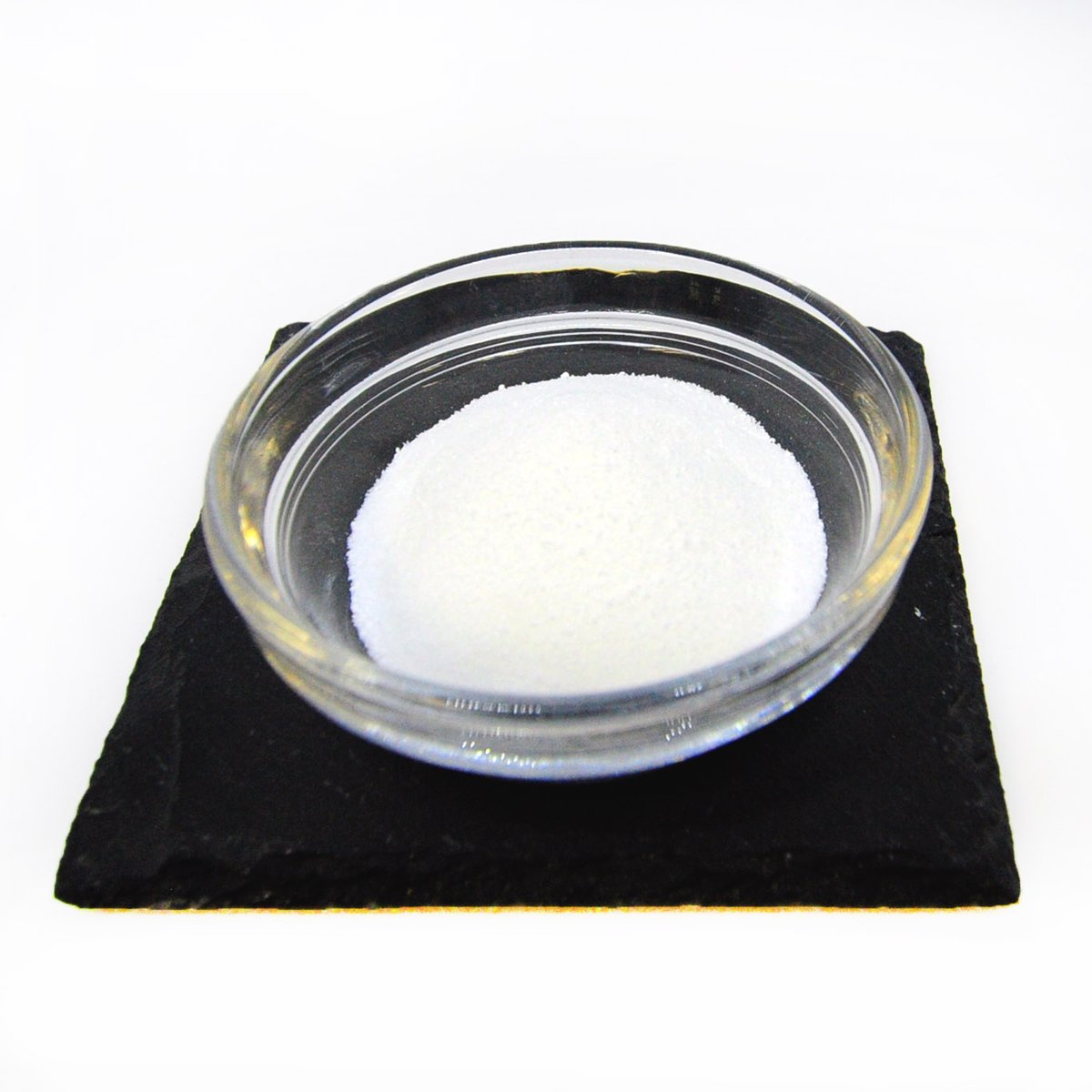
NeoDefend | Lotion Crafter
Lotion Crafter offers a wide variety of ingredients for all of your formulating needs. They offer carriers oils, preservatives, exfoliants, anti-aging ingredients, butters and so much more. I order a lot of my supplies from Lotion Crafter. Lotion Crafter offers local & International shipping.
Geogard Ultra | Formulator Sample Shop
Formulator Sample Shop carries a wide range of formulating and skincare ingredients including carrier oils, butters, preservatives, and more. You are able to purchase the exact quantities that you need, and if there is something you need that you don’t see on their website, just contact them! They do offer International Shipping as well.
Geogard Ultra: Common Formulation Questions
Is Geogard Ultra fully water-soluble?
Geogard Ultra is water-soluble up to approximately 4% and can also be dispersed in glycols and alkyl sulfate surfactant systems. It is not soluble in oils, silicones, or ethanol, so it should be incorporated into an appropriate water-containing phase of your formulation.
Does Geogard Ultra affect my formula's pH?
Geogard Ultra can cause the pH of some formulations to drift downward. Check the pH after incorporating the preservative and verify the final pH remains within the preservative's effective range.
Is Geogard Ultra the same as NeoDefend?
NeoDefend is a supplier trade name for the preservative blend commonly sold as Geogard Ultra. When purchasing either product, always check the supplier's current INCI and technical documentation before formulating.
Why shouldn't I use Geogard Ultra with L-ascorbic acid?
Geogard Ultra contains sodium benzoate. Manufacturer guidance cautions against combining it with L-ascorbic acid because under certain conditions sodium benzoate and L-ascorbic acid can contribute to benzene formation. This warning is specific to L-ascorbic acid and should not be interpreted to mean that every acid is incompatible with Geogard Ultra.
Other Natural Preservative Options
If Geogard Ultra doesn't work for your formulation, check out these other natural preservative options.
Leucidal SF Max Preservative | Formulating Guideline & Safety
Geogard ECT Preservative Formulating Guideline & Safety
AMTicide Coconut Preservative Formulating Guidelines & Safety
Phytocide Elderberry Preservative Formulating Guidelines & Safety
Euxyl K 903 Preservative Formulating Guidelines & Safety

-
Dermosoft 1388 Eco Preservative Formulating Guidelines & Safety
Sharing is caring! 40 shares Share Tweet Pin40 Dermosoft 1399 Eco is a preservative that works with your skin’s natural pH to help keep your skincare products on your shelf longer. This preservative has a broad-spectrum of protection from bacteria and fungi, and it can be used in many products! Dermosoft 1388 Eco Quick Facts...
-
Sodium Benzoate Preservative Formulating Guidelines & Safety
Sodium Benzoate is a naturally derived anti-fungal preservative that is most effective at a very low pH in skin and hair products. It is most effective when used in conjunction with other natural preservatives like potassium sorbate. It can also be used to help mask strong fragrances in skincare products and act as a corrosion...
-
Suttocide A Preservative Formulating Guidelines & Safety
Suttocide A is a naturally derived preservative that is effective against gram-positive and gram-negative bacteria, as well as yeasts and molds. This makes it a great preservative to protect your skincare products! It can be used in a variety of products and is provided in a liquid form making it easier to work with than...
-
Potassium Sorbate Preservative | Formulating Guidelines & Safety
Potassium Sorbate is the inactive salt of sorbic acid. When added to water, it releases sorbic acid, which protects from various molds and yeasts, and can offer a small amount of protection from some bacteria. It is often mixed with other preservatives such as Sodium Benzoate to create a synergistic effect to protect your skincare...
-
White Aspen Bark Extract Preservative Formulating Guidelines & Safety
White Aspen Bark Extract is a natural preservative that is made from the bark of the Trembling Aspen Tree. It has antimicrobial properties that can protect your skincare products from a variety of bacteria and help them last longer. It has a high concentration of salicylates which not only protect from bacteria growth but can...
-
Euxyl K 903 Preservative Formulating Guidelines & Safety
Euxyl K 903 is a mild, liquid preservative that protects against a broad spectrum of bacteria, yeast, and molds. It can be used in a variety of leave in or wash off products including those used in areas that have sensitive skin. Euxyl K 903 Quick Facts Euxyl K 903 Broad Spectrum Preservative is also...
Share and Pin this Post for Later!
I hope you've enjoyed learning all about Geogard Ultra for your skincare formulations. Be sure to share and pin this post for later!