
DIY Vitamin C Serum Recipe for Wrinkles and Age Spots!
DIY Vitamin C Serum supports aging Vitamin C is a summer skincare hero — it helps fade the dark spots and uneven tone that sun exposure brings, and brightens skin for that fresh, glowy look.
You know the mantra, "Wish I knew then what I know now..."
That is exactly how I feel about my skin.
I wish I would have known that my chronic acne was just a sign of something that was off on the inside. That there were natural options for treating it.
But instead I suffered for almost 2 decades and my skin now tells the story. The story of breakouts, scarring, and pre-mature aging, ughhh.
But luckily I now have an arsenal of natural options to improve my skin and start turning back some of those signs of aging.
And this is a new one I've just started using.
Vitamin C Serum!!
Why Use Vitamin C on your Face?

Vitamin C is a powerful antioxidant and a water-soluble vitamin known for its skin benefits. This recipe uses 3-Glyceryl Ascorbate, a stabilized, water-soluble Vitamin C derivative, not L-ascorbic acid.
Regular use of Vitamin C helps diminish the appearance of fine lines, wrinkles, helps firm, evens out skin tone, and creates a brighter complexion.
Vitamin C also speeds up the healing process when used on sunburns, inflammations, and minor skin damage. The antioxidant-rich Vitamin C helps boost collagen production giving you a more youthful and healthier appearance. (source)
Vitamin C Forms at a Glance
| Vitamin C form | Stability and formulation context |
|---|---|
| L-Ascorbic Acid | Oxidizes readily and requires a low-pH formula. |
| Magnesium/Sodium Ascorbyl Phosphate | More stable derivatives commonly formulated around neutral pH. |
| 3-Glyceryl Ascorbate (this recipe) | A stabilized, water-soluble derivative that resists browning. This recipe keeps its target of approximately pH 5. |
| Tetrahexyldecyl Ascorbate | An oil-soluble Vitamin C derivative used in oil-based formulations. |
These forms are not interchangeable at the same amount. Ingredient stability does not establish the microbiological shelf life of a finished serum.
How to Choose a Vitamin C Serum
There are many Vitamin C creams and serums that promise great results, but many creams have only a small amount of Vitamin C.
Not only that, they can contain other unfavorable ingredients like parabens and synthetic fragrance. These ingredients can wreak havoc on the body and should be avoided.
Choosing the right Vitamin C serum is no easy task as there are dozens to choose from.
There are several expensive brands sold at high-end department stores and then there are more affordable Vitamin C serums sold at local drugstores, so which Vitamin C serum do you choose?
How do you know which product will produce the best results, which has unnecessary toxins, and which brand skimps on Vitamin C?
Instead of spending hours researching these products, why not just make your own Vitamin C serum?
Why Not Make Your Own DIY Vitamin C Serum?
A homemade Vitamin C serum is not only economical but will yield great results for your skin. Don’t put your skin in someone else’s hands when you can create your very own easily.
Vitamin C serum is more concentrated which means a little goes a long way. A couple of drops of Vitamin C serum massaged into your freshly washed skin every evening is all you need.
Using Vitamin C serum along with this DIY Hyaluronic acid serum recipe in your skincare regimen will produce more noticeable results faster.
The moisture retaining properties of Hyaluronic acid along with the antioxidant properties of Vitamin C will help boost collagen production which makes them a powerful combo. (source)
How to Make Vitamin C Serum from Orange Peels?
The main ingredient of a Vitamin C Serum is well, Vitamin C. You can buy Vitamin C powder in any health food store or you could make your own.
Did you know that you can get so many benefits using orange peels for skin?
All you need to make Vitamin C powder are Orange peels from 1 large Naval orange (organic preferred)
- Break orange peels into dime size pieces and allow to air dry for at least 3 days or a faster method put in the oven or dehydrator at 150F for 2 hours.
- When orange peels are thoroughly dry, pulverize them in a spice grinder until it becomes a fine powder.
- Store in an airtight jar until ready for use.
So even if you know how to make homemade Vitamin C Serum with orange peels, is this really the best option?
Unfortunately there's really no way to know the quality or effectiveness of a homemade Vitamin C powder in skincare.
You could go through all of the trouble of making your orange peel powder serum, and see no improvement in your skin.
Plus, will your homemade Vitamin C powder dissolve enough in water to make a smooth serum that soaks into your skin?
Just because you may not want to use homemade powder in this recipe, doesn't mean you shouldn't have it on hand. I have put together a whole post with the Top 10 Orange Peel Skin Benefits and some easy recipes! So I highly recommend you check that out. 🙂
Vitamin C Options for your DIY Vitamin C Serum
There are actually multiple forms of Vitamin C for skincare recipes, each with their own pros and cons.
The biggest problem you run into incorporating Vitamin C into skincare recipes is stability.
Vitamin C tends to discolor over time and lose its efficacy.
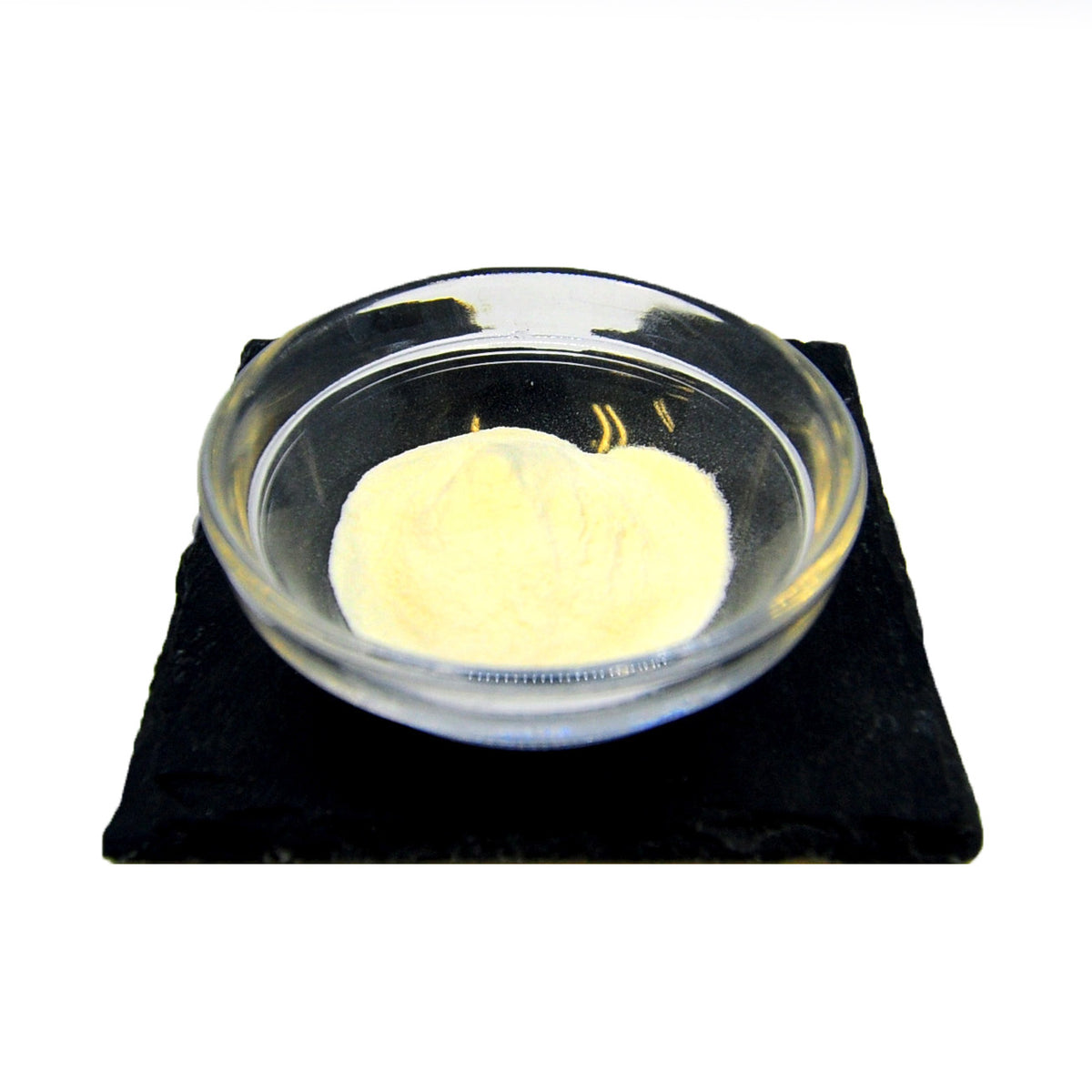
For the Vitamin C Serum Recipe I am sharing today, we will be using Vitamin C, 3-Glyceryl Ascorbate. I purchased mine from Lotion Crafter.
Why Vitamin C, 3-Glyceryl Ascorbate?
Vitamin C, 3-Glyceryl Ascorbate is a Vitamin C derivative, but it is actually more stable than powder-derived alternatives.
It will not change color or degrade as quickly as other forms of Vitamin C.
Vitamin C, 3-Glyceryl Ascorbate Benefits:
- Brightens the skin while acting as an anti-oxidant
- Reduces melanin production to improve dark spots
- Moisturizes the skin
This recipe uses the specified commercial, pre-diluted liquid blend of 3-Glyceryl Ascorbate, glycerin, and water. The ½ teaspoon measurement is for that supplied ingredient, not pure Vitamin C powder. Do not substitute pure L-ascorbic acid at the same amount.
Xanthan Gum for Thickening Skincare Recipes
We will also be using Xanthan gum to help thicken our Vitamin C Serum.
Xanthan gum is a natural gum polysaccharide that is made by fermenting sugar.
It is very easy to work with to help modify the viscosity of your skincare recipes.
We will be dissolving the Xanthan gum in our glycerin and then adding it to our liquids.
Preservative for your DIY Vitamin C Serum
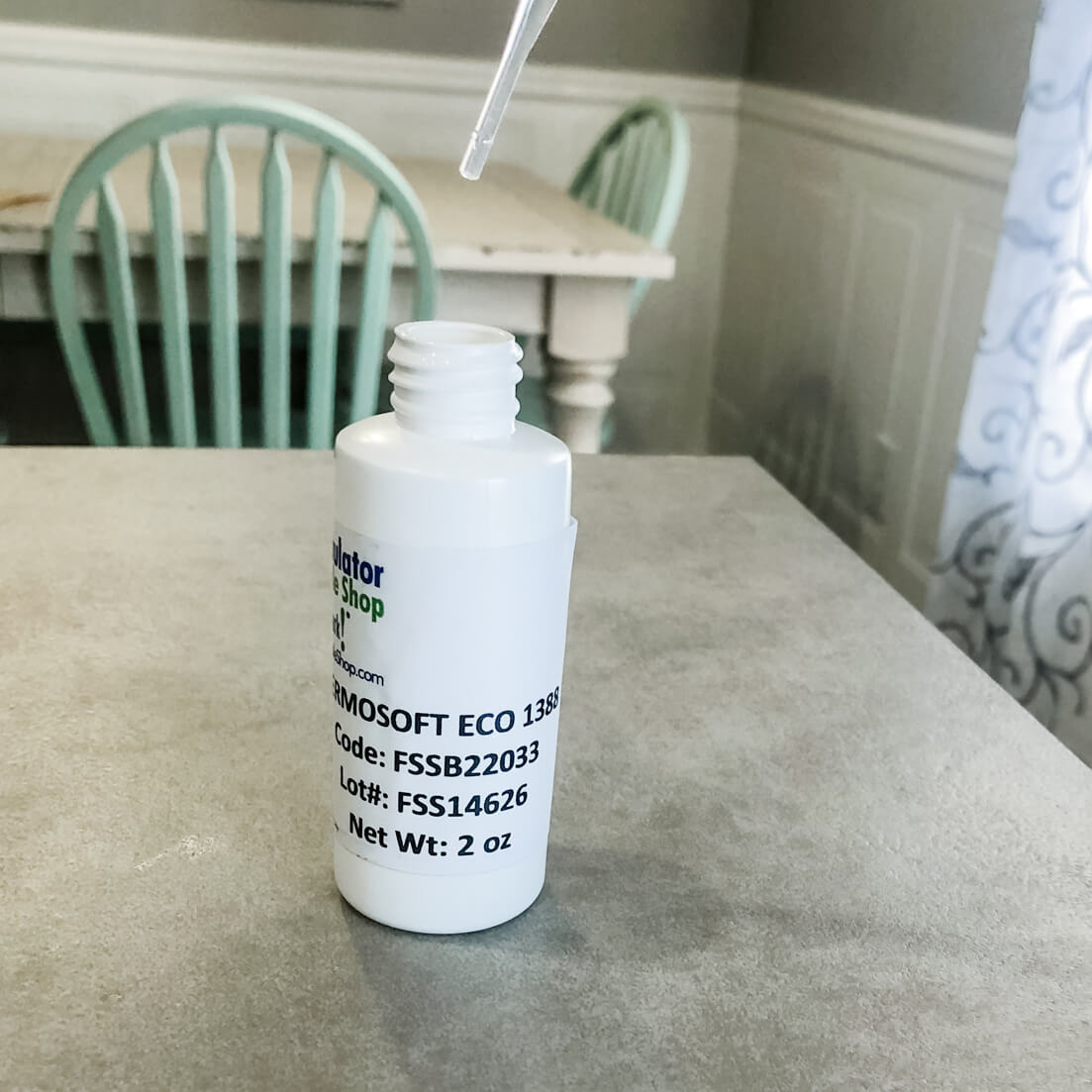
Because this homemade Vitamin C Serum is water based, we will be adding the preservative Dermosoft 1388 Eco. Dermosoft 1388 Eco is part of the recipe as written, not an optional addition. Its effectiveness in the finished serum depends on the formulation and appropriate testing.
A pump bottle can help limit contact during use, but packaging does not replace an effective preservation system. Water-based homemade cosmetics stored for repeated use require appropriate preservation; refrigeration is not a substitute.
In the past I've recommended Geogard ECT as a broad spectrum preservative for water based products, because it claims to be water soluble. But unfortunately the Benzyl Alcohol isn't completely water soluble which can lead to skin sensitization issues, which we don't want.
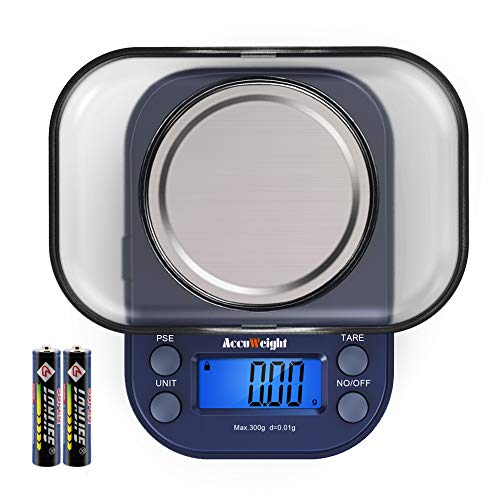
This formula calls for 1 gram of Dermosoft 1388 Eco. I recommend purchasing a jewelry scale to accurately add preservatives to your formulations. I have included a conversion as well, if you don't have a jewelry scale.
You can add 3/16 teaspoon of the preservative Dermosoft 1388 Eco . If you don't have measuring spoons this small, you can find them on Amazon here.
Let's get to the recipe!
Remember, this DIY Vitamin C Serum can be used along with this DIY Hyaluronic Acid Serum Recipe or add Niacinamide into your routine for even better results. If you're looking for something to target your eyes, then give this uplifting eye serum a try!
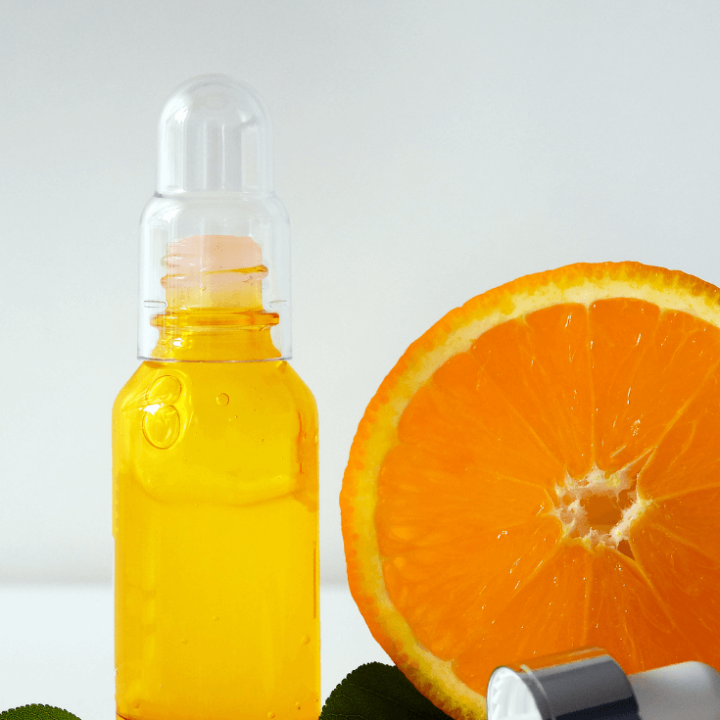
Vitamin C Serum
Vitamin C oxidizes easily and a darker container will slow oxidation.
Materials
- 2 tablespoon Hydrosol (Neroli, Rose, or Lavender)
- 2 tablespoon Distilled water
- ½ teaspoon Vegetable Glycerin
- ¼ teaspoon Xanthan Gum
- ½ teaspoon Vitamin C, 3-Glyceryl Ascorbate
- 3/16 teaspoon (1 gram) Dermosoft 1388 Eco
Instructions
- Combine your distilled water and Dermosoft 1388 Eco in a glass beaker and mix until incorporated.
- Add your hydrosol and Vitamin C, 3-Glyceryl Ascorbate to beaker and mix
- Combine Glycerin and Xanthan Gum in a small beaker
- Slowly incorporate the Glycerin and Xanthan Gum mixture to water and Vitamin C beaker mixing well to incorporate.
- Test pH of finished product and adjust (if needed) to a skin friendly pH of around 5.
- Store in dark amber glass bottle away from direct sunlight
Notes
Preservative: Dermosoft 1388 Eco requires the pH to be > 7 when adding. That is why we add this to the water phase at the beginning. At the end adjust your pH to around 5 for best results. Learn all about adjusting the pH of your skincare products here.
Shelf life: Because this is a water-based serum, it should be made with an effective broad-spectrum preservation system. Refrigeration is not a substitute for proper preservation. The actual shelf life of a homemade formulation can't be confirmed without appropriate stability and microbiological testing. Discard the serum if you notice changes in color, odor, texture, or appearance.
Tips: For best results apply to damp skin and follow up with moisturizer of choice.
Recommended Products
As an Amazon Associate and member of other affiliate programs, I earn from qualifying purchases.



How to Tell if Your Vitamin C Serum Has Oxidized
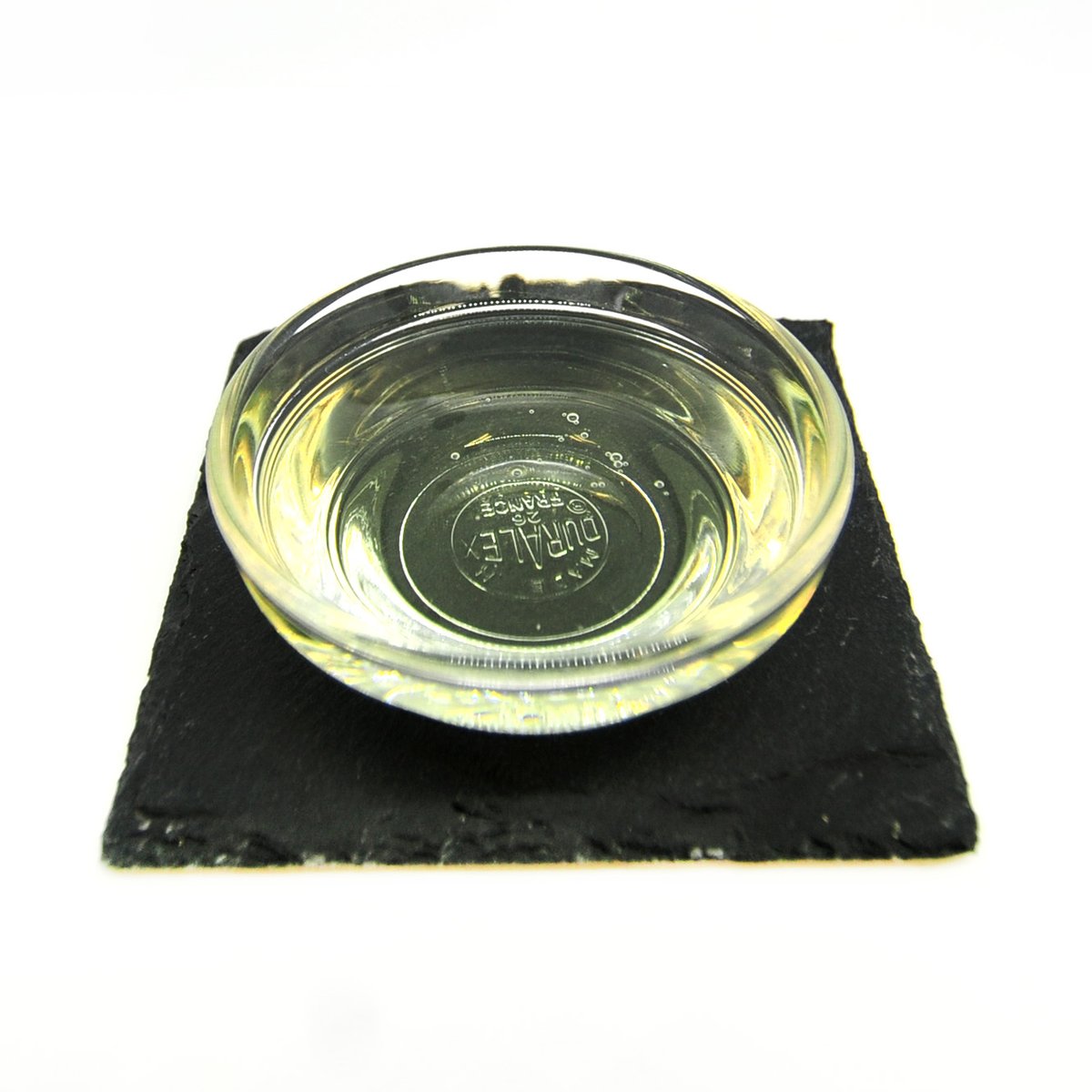
Although 3-Glyceryl Ascorbate is more resistant to oxidation than L-ascorbic acid, watch for changes in your finished serum:
- Color: A light amber tint can come from the Vitamin C ingredient. Noticeable darkening or browning may indicate oxidation; discard a serum that changes noticeably.
- Smell: Discard it if you notice a sour, off, or unusual odor.
- Texture: Separation, clumping, or an unexpected change in consistency is also a reason to discard it.
Appearance and smell cannot confirm that a serum is free of microbial contamination. Keep it in a dark amber bottle away from direct sunlight and heat, minimize handling, and discard it if you suspect contamination. When in doubt, throw it out. A specific microbiological shelf life cannot be promised without appropriate finished-product testing.
DIY Vitamin C Serum FAQs
There is no verified microbiological shelf life for this homemade formula without appropriate finished-product testing. The recipe includes Dermosoft 1388 Eco; refrigeration does not make an unpreserved version safe to store. Follow the storage and discard guidance above.
Yes — they layer well. Apply vitamin C, then your HA serum, then moisturizer.
Either works; many prefer mornings under SPF for daytime antioxidant protection.
No. This recipe uses the specified commercial, pre-diluted 3-Glyceryl Ascorbate ingredient, a stabilized Vitamin C derivative. Pure L-ascorbic acid is not a same-amount substitute.
Noticeable darkening or browning may indicate oxidation. Discard serum with a changed color, an off odor, separation, or clumping. A normal appearance or smell does not prove microbial safety.
Yes. Dermosoft 1388 Eco is included in this recipe and should not be omitted. Water-based cosmetics stored for repeated use need effective preservation; refrigeration is not a substitute, and finished-product testing is needed to establish preservation efficacy and shelf life.
Vitamin C supplements sun protection; it does not replace sunscreen.
Are you going to give this a try?
If you like this recipe, please be sure to pin & share it!
Wow nice work, can I add the serum to my base cream hope it will not change colour. Thanks
can't wait to try these recipies!
I have made the Hyaluric Acid Serum and love it. I want to make the Vitamin C serum too. Do I use that first then the Hyaluric acid then my diluted essential oil serum and then my shea butter cream w carrot oil. Is that too much? And I really want to know if I should use the Vitamin C first? Thanks for the recipes and your time.
How long can we store this vitamin c serum and use mam?
Up to 2 weeks when stored in the refrigerator. 🙂
It is wonderful serum
You changed the recipe for this. I came back to make it again. I'm not a fan of the ingredients changes. Is
Possible to get the original recipe for me?
I will have to do some digging, but I will try to email this to you in the next few days. 🙂