
DIY Non-Greasy Body Butter Recipe that Smells Amazing!!
One of my biggest pet peeves with body butter is, it can leave a greasy feeling on the skin. But not today friend! The recipe I'm sharing today is a non-greasy body butter that soaks right into the skin!
At the last minute this year at Christmas, I really wanted to create a new recipe to give my family and friends.
So I set to work formulating this non-greasy body butter!
I created 2 different scents, both which smell amazing:
The Neroli Grapefruit option includes:
- Neroli Essential Oil
- Grapefruit Essential Oil
- Copaiba Essential Oil
The Orange Peppermint option includes:
- Peppermint Essential Oil
- Sweet Orange Essential Oil
Trust me when I tell you that either option you choose, your body butter is going to smell amazing!
Sensitive skin? Leaving out fragrance and essential oils removes one potential source of irritation, but it does not guarantee that the base will suit sensitive or reactive skin. Individual tolerance varies, so patch test a small amount before wider use. The two scented blends remain options for those who tolerate their ingredients.
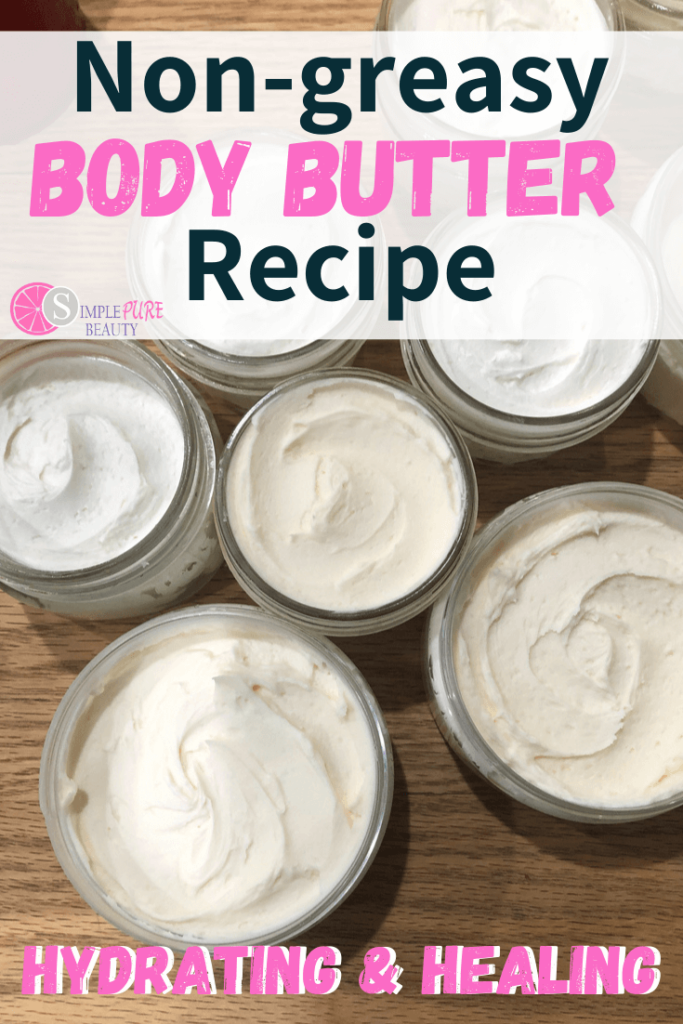
Non-greasy Body Butter Ingredients
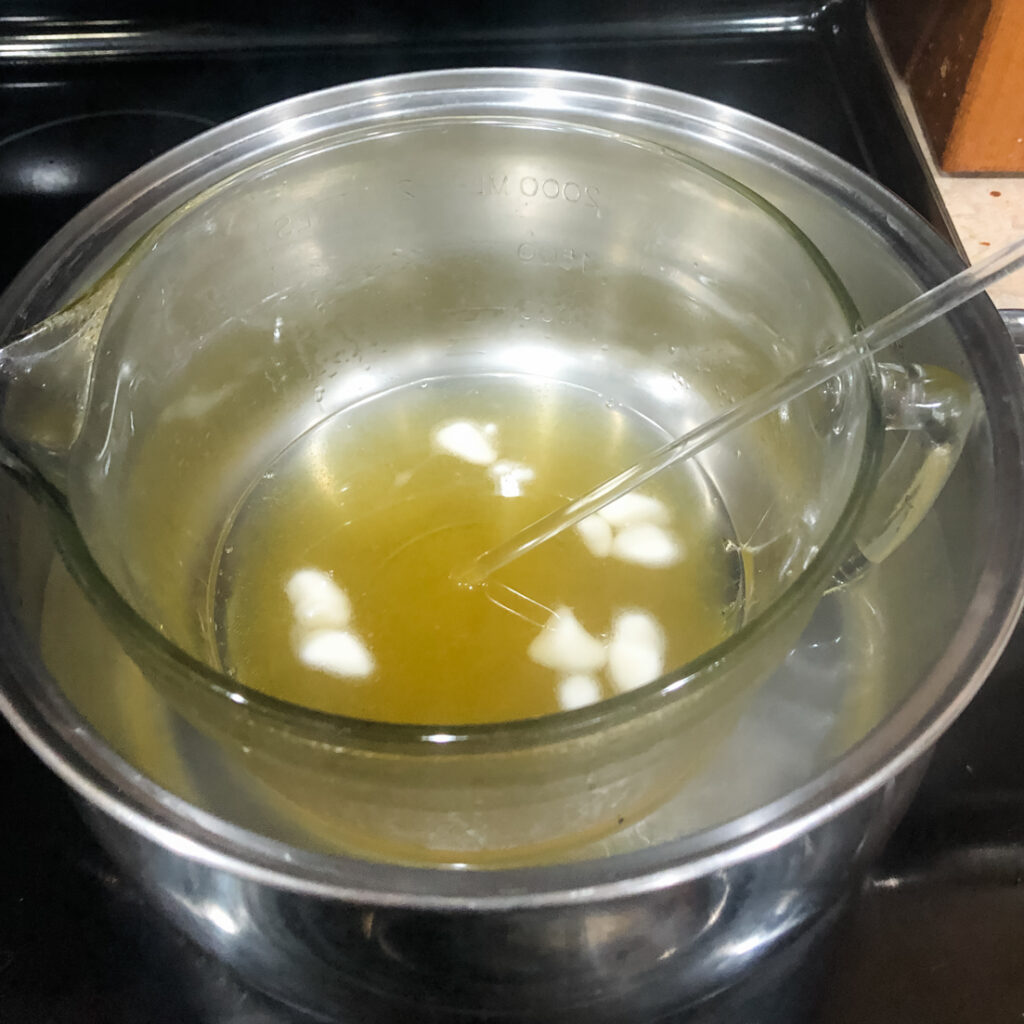
This body butter contains many soothing carrier oils & butters as well including:
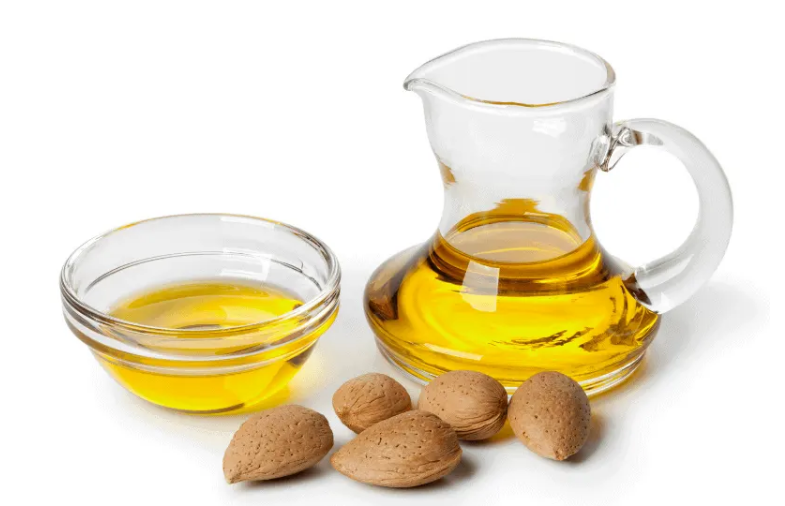
- Almond Oil - Almond oil is a great addition to your skincare routine, it contains fatty acids that will help keep your skin feeling clean and fresh! Almond oil is a great emollient and has anti-aging properties as well as protects skin!
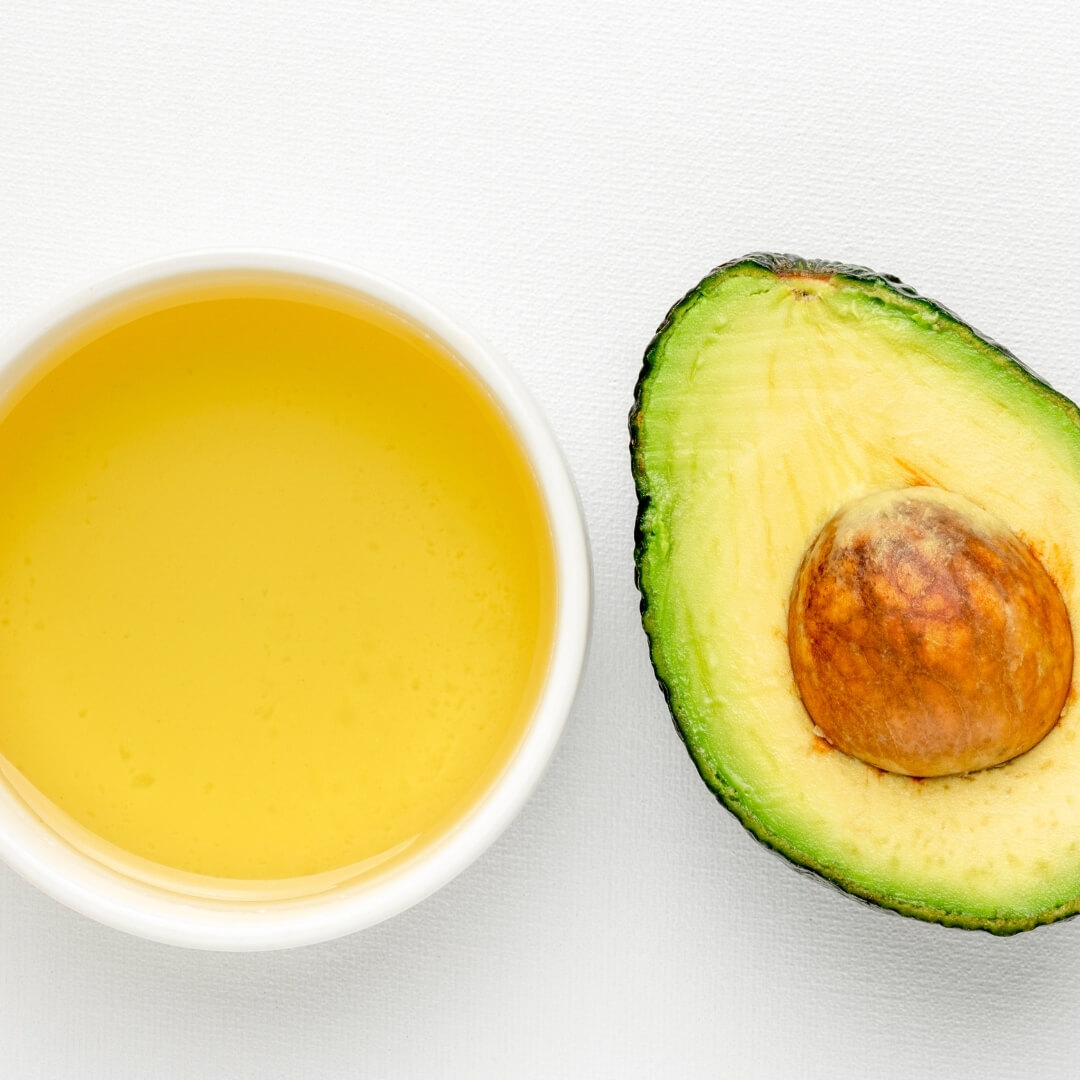
- Avocado Oil - Avocado Oil has many benefits for skin; it is an emollient that hydrates and nourishes skin. Avocado Oil is great for skin, it can help skin that is dry and irritated.
- Baobab Oil - Excellent for skin that is acne-prone, irritated, or dry. It is a great choice for anyone looking to support their skin’s natural microbiome and youthfulness. Baobab Oil is great for all skin types and can help repair skin and keep it moisturized. It also soaks in and doesn't leave your skin feeling oily.
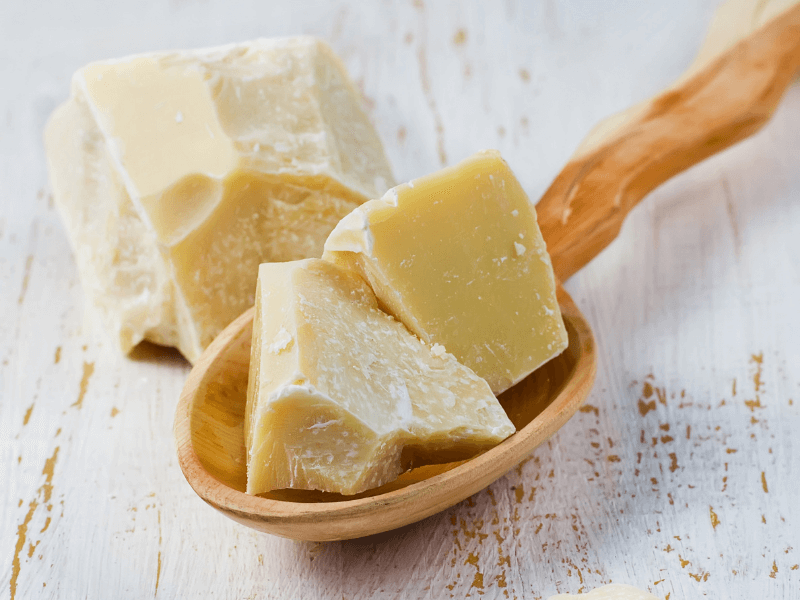
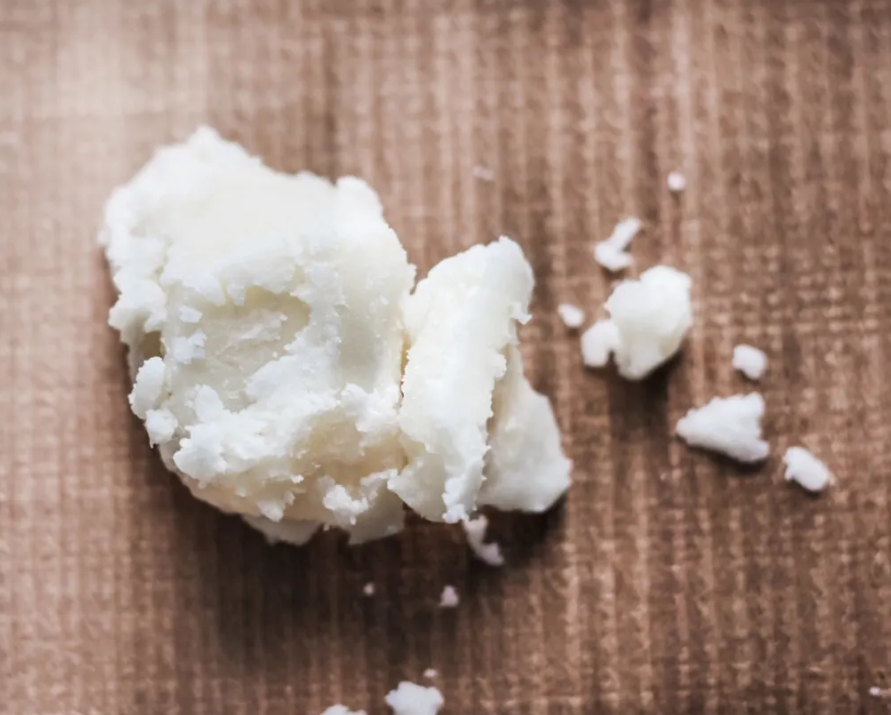
- Cocoa Butter - This natural butter can be used on skin alone or mixed in with other ingredients to create hydrated skin that is protected from drying out. Cocoa Butter can be used for skin in many different ways including lotions, body butters, lip balms, and creams.
- Kokum Butter - Kokum Butter is a great moisturizer and is a wonderful botanical butter to use if you have hard skin to manage. It is great for sensitive or acne-prone skin and can help reduce the signs of again. Kokum Butter is a great emollient that help protect and heal skin.
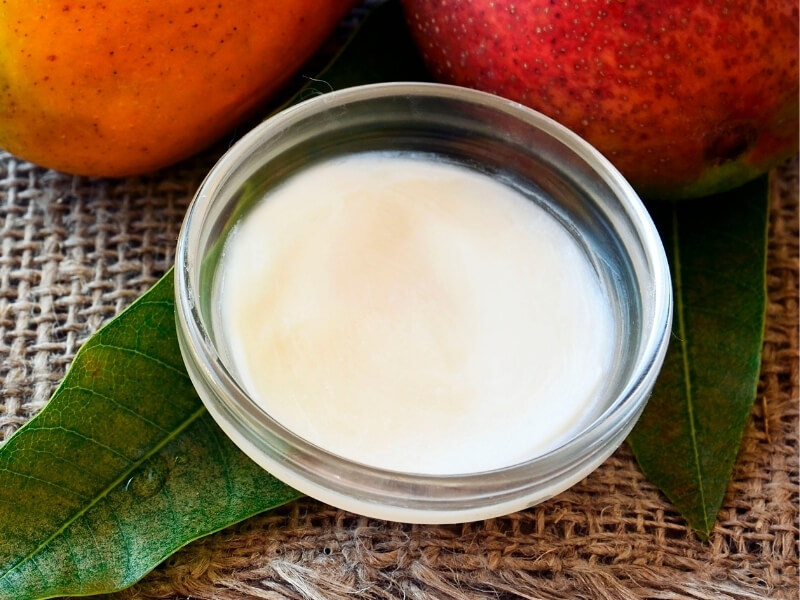
- Mango Butter - Mango Butter’s benefits for skin are incredible. This all-around skincare must-have delivers impeccable moisture and hydration to the skin. It contains a lot of omega fatty acids which makes it perfect for those who want to plump their skin and keep it youthful. Mango butter benefits also include healing and toning skin. Mango Butter is a light butter that can keep skin glowing!
Curious about the carrier oils in this recipe — or want to explore other options? The Beauty Base Carrier Oils Database brings carrier-oil properties together so you can compare ingredients for your next formulation.
What Makes this Body Butter Non-Greasy?
Two ingredients do most of the work in reducing the greasy after-feel: Coco-Caprylate/Caprate and arrowroot powder. They change how the butter spreads and feels on your skin, rather than making all the oils disappear.
Coco-Caprylate/Caprate - Coco-Caprylate/Caprate is a lightweight ester emollient used in natural skincare as an alternative to silicone oils. It spreads easily and gives this blend a dry, silky finish that helps reduce a heavy, oily after-feel.
Arrowroot Powder - Arrowroot is a fine starch that absorbs some surface oil and reduces the slick feel of the finished butter. Use the measured amount in the recipe; it works alongside Coco-Caprylate/Caprate to give a softer, less greasy finish.
The butters give the recipe its structure and richness. A harder butter does not automatically melt faster or feel less greasy; the feel depends on the whole blend. Start with a small amount when applying it, since this is still a rich, oil-based body butter.
Why is this Recipe in Grams?
To sharpen my skills, I have just recently graduated and earned a Diploma in Organic Skincare Formulation from Formula Botanica.
I have learned so much and found how much easier it is to formulate and create skincare recipes by weight.
Your recipes are much more accurate and you don't dirty spoons, measuring cups and create a mess.
What If I've Never Formulated by Weight Before?
If you've not formulated recipes by weight before, there are just a few things you will need.
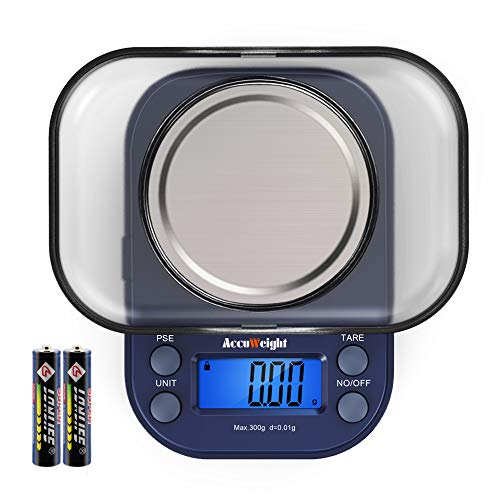
Scale + Jeweler's Scale
It is very important that you have a scale and a jeweler's scale.
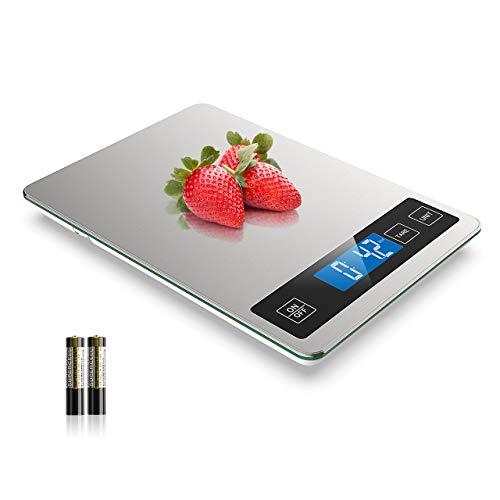
You will use your regular scale, like this one, for your heavier ingredients.
But you will need a smaller scale, like this one, to weigh your ingredients like essential oils and preservatives. This will ensure you're adding these sensitive ingredients at just the correct amount.
Check out the list below of my must have supplies for formulating:


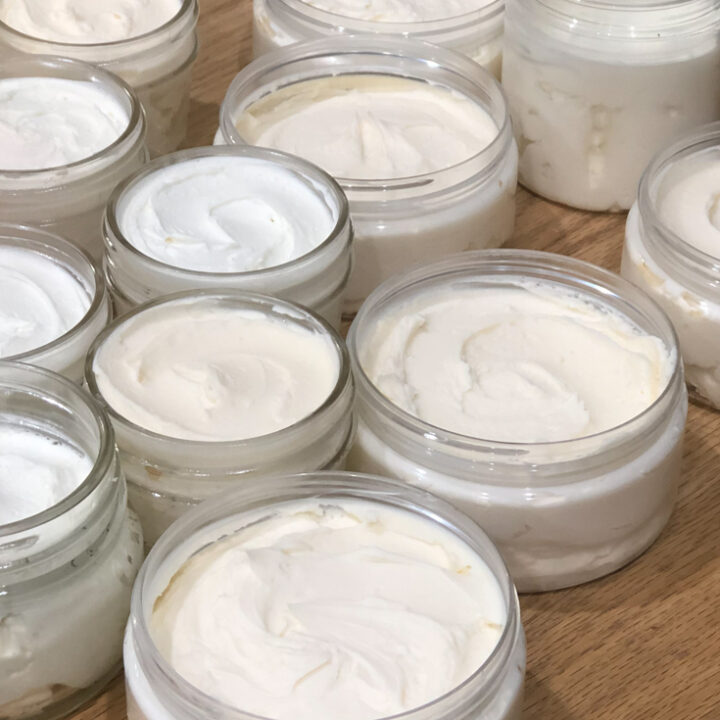
These body butters were a big hit with my family & friends so I just couldn't wait to share them with you!
Check out the recipe below!
Non-Greasy Body Butter Recipe
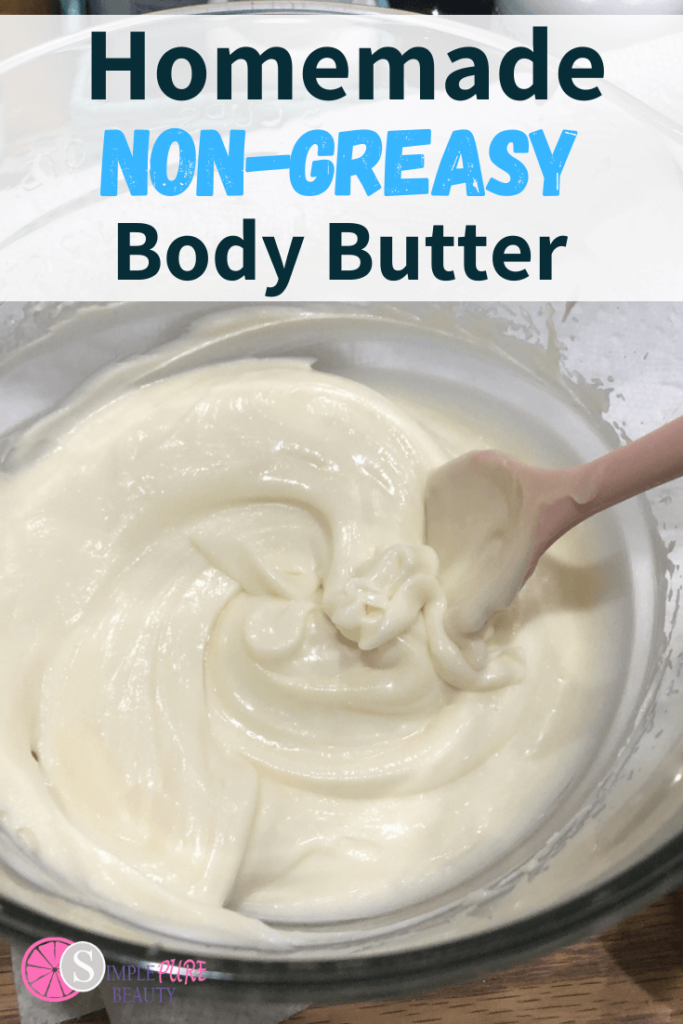
This non-greasy body butter will leave your skin feeling silky smooth!
Materials
- 67.5 grams Kokum Butter
- 33.75 grams Cocoa Butter
- 33.75 grams Mango Butter
- 33.75 grams Coco-Caprylate
- 18 grams Almond Oil
- 11.25 grams Avocado Oil
- 11.25 grams Baobab Oil
- 10 grams Arrowroot Powder
- 2.25 grams Vitamin E Oil
Neroli Grapefruit Essential Oil Blend
- 1.13 grams Neroli Essential Oil
- 1.69 grams Grapefruit Essential Oil
- 1.69 grams Copaiba Essential Oil]
Orange Peppermint Essential Oil Blend
- .56 grams Peppermint Essential Oil
- 2.81 grams Sweet Orange Essential Oil
Instructions
- Add butters, carrier oils and coco-caprylate to glass beaker or heat proof glass bowl and place in double boiler over medium/low heat until butters are melted.
- When temperature has cooled to under 40C add vitamin e oil and your chosen essential oil blend and mix to combine. (Choose only one, either Neroli Grapefruit or Orange Peppermint Essential Oil blend option.)
- Place in the fridge until your butter becomes fairly opaque.
- Using a whisk attachment for your mixer, start whipping your body butter.
- Add in arrowroot powder and continue to whisk.
- Repeat steps 3 & 4 several times until your body butter reaches a consistency you're happy with.
Recommended Products
As an Amazon Associate and member of other affiliate programs, I earn from qualifying purchases.
Why the Chill-and-Whip Steps Matter
Butters can form different crystal structures as they cool. Uneven crystallization or repeated warming and cooling during storage can leave a grainy texture, especially with cocoa butter. The recipe’s existing chill-and-whip cycles help you work the blend as it sets, rather than trying to whip warm, liquid oils continuously.
If a fresh batch turns grainy without signs of rancidity or contamination, gently re-melt it completely in a double boiler and repeat the recipe’s chill-and-whip process. Re-melting can help a texture problem; it cannot make a spoiled or contaminated batch safe.
Storage, Oxidation and Keeping Water Out
This is an anhydrous body butter: it contains no added water. Oxidative rancidity is the main storage concern for the oils and butters. Vitamin E is an antioxidant that helps slow oxidation; it is not a broad-spectrum preservative and does not protect against microbial contamination.
There is no tested shelf-life promise for this homemade blend. How well it keeps depends on ingredient freshness, handling, and exposure to heat, light, and air. Keep the container closed in a cool, dry place away from direct sunlight, and use clean, dry hands or a dry scoop to keep water out.
Discard it if it develops a sharp, crayon-like or rancid odor, an unexplained color change, visible mold, or other signs of contamination. Graininess by itself can be a texture issue, but a change in texture together with an off smell or other suspicious changes is a reason to discard it. Normal appearance and smell do not guarantee freedom from contamination.
Non-Greasy Body Butter FAQs
Why is homemade body butter greasy, and how does this recipe help?
A blend of oils and butters can leave a rich film on the skin. Here, Coco-Caprylate/Caprate improves spreading and gives a dry, silky after-feel, while arrowroot absorbs some surface oil. The balance of the whole formula matters more than simply choosing a harder butter.
Does this body butter need a preservative?
The recipe as written is water-free, so it does not need the same preservation system as a water-containing lotion. Keep water out during use. Vitamin E helps slow oxidation of the oils; it is not a microbial preservative. Adding water, aloe juice or a hydrosol would change the formula and its preservation needs.
How long does homemade body butter last?
There is no verified exact shelf life for this batch. Ingredient freshness, storage and handling all matter. Keep it cool, dry and away from sunlight, and discard it if it develops an off or rancid smell, unexplained discoloration, or signs of contamination.
Why did my body butter turn grainy, and can I fix it?
Graininess can come from uneven butter crystallization or temperature changes. For a fresh batch with only a texture problem, gently re-melt it completely and repeat the existing chill-and-whip method. Do not try to rescue a batch that smells rancid or shows signs of contamination.
Is this body butter suitable for sensitive skin?
That depends on your individual tolerance. Omitting fragrance and essential oils reduces one possible source of irritation, but the unscented base is not automatically suitable for everyone. Patch test before using it more widely.
Pin Non-Greasy Body Butter Recipe for Later
If you enjoy this recipe, please share & Pin this post for later!
Where are the recipes using MuruMuru Butter, not of the recipes listed is using it, unless one of the other butters can be substituted, if so, which ones?
Hi Jodi, you can swap out the Kokum butter for the MuruMuru butter. 🙂
Hi Mindy
Im excited to try this body butter.
Is it safe to use on my baby?
Hi there! This recipe would not be suitable for babies because of the essential oils. If you left out the essential oils it should be fine. 🙂