What is Squalane Oil + Its Top Anti-aging Benefits for Your Skin
Squalane in skin care may not be a term that you are familiar with, but it is such a valuable ingredient in anti-aging skincare!
This oil mimics oils in your skin’s lipid layer, making it useful in a wide variety of skincare and cosmetic applications.
Let’s learn more about this oil and how you can incorporate it into your skincare routine!
What is squalane oil?
Squalane oil is made from squalene (with an "e"), its naturally occurring, unsaturated precursor. Squalene is found in human sebum and sources such as olives, rice bran and shark liver; sugarcane is also used as a plant feedstock for cosmetic squalane.
Cosmetic squalane is the hydrogenated, saturated form of squalene. This processing makes it more resistant to oxidation and useful as an emollient in cosmetic and skincare products.
According to Healthline:
Animal and plant squalene is too unstable to be used in skin care products. When exposed to oxygen, it can become rancid and spoil quickly.
Before it can be used in skin care products, squalene must be hydrogenated into squalane (with an “a”), which is a stable form of the molecule.
Hydrogenation is the process of converting squalene from an unsaturated oil to a saturated oil (squalane). Hydrogenation makes the oil more skin-friendly and helps increase its shelf life.
Squalane vs. Squalene at a Glance
| Feature | Squalene | Squalane |
|---|---|---|
| Natural or processed? | Naturally occurring, unsaturated precursor | Processed, hydrogenated, saturated derivative of squalene |
| Where found or sourced | Human sebum and sources such as olive oil and shark liver | Made from squalene; plant feedstocks include olives and sugarcane |
| Oxidative stability | More susceptible to oxidation | More resistant to oxidation |
| Antioxidant activity | Has direct antioxidant activity associated with its unsaturated structure | Not generally treated as a direct-acting antioxidant |
| Typical skincare role | Natural skin lipid and precursor to squalane | Stable emollient that supports moisture, softness and suppleness |
Squalane oil mimics natural lipids that are found in our skin to help moisturize, protect, and repair our skin.
It is a wonderful addition to skincare for many skin types because our bodies naturally know what to do with it!
Is squalane ethically sourced?
The cosmetics industry is historically known for creating wonderful products at the expense of many animals.
However, many organizations and people are working tirelessly to change that; and many of us who make our own products tend to source sustainable ingredients that are ethically sourced.
This includes squalane oil.
In big box store cosmetics, you can find squalane in many products. It is a common ingredient in many anti-aging products, and unless the product is clearly marked cruelty-free or vegan, then there is a good chance that the squalane in that product was sourced from deep-sea sharks.
Shark livers are naturally rich in squalene, which has historically been used to make cosmetic squalane through hydrogenation.
The good news is there are many vegan-friendly ways you can add squalane to your routine.
This means that there are no animal sources used to harvest or collect the ingredients, including squalane that is derived from sugar cane, olives or rice bran!
You can also find squalene, the natural precursor, in many natural carrier oils you might use in your skincare routine. These oils are not the same as purified cosmetic squalane.
Where is squalene, the natural precursor, found?
If you are curious about squalene, the natural precursor used to make squalane, carrier oils are a useful place to start.
Here are a few of my favorite carrier oils that contain naturally occurring squalene. The list also includes a separate option for buying processed squalane:
- Argan Oil
- Camellia Seed Oil
- Hazelnut Oil
- Kiwi Seed Oil
- Macadamia Nut Oil
- Milk Thistle Oil
- Olive Oil
- Pumpkin Seed Oil
- Rice Bran Oil
- Processed Squalane Oil — a separate cosmetic ingredient, not a natural squalene-containing carrier oil (from sugar) (from olives)
- Wheat Germ Oil
In the cosmetic industry, squalane oil can be found in many of your favorite products, including anti-aging serums, moisturizers, lip products, and even hair care!
It is a popular skincare ingredient because it has a variety of applications.
What does squalane do for the skin?
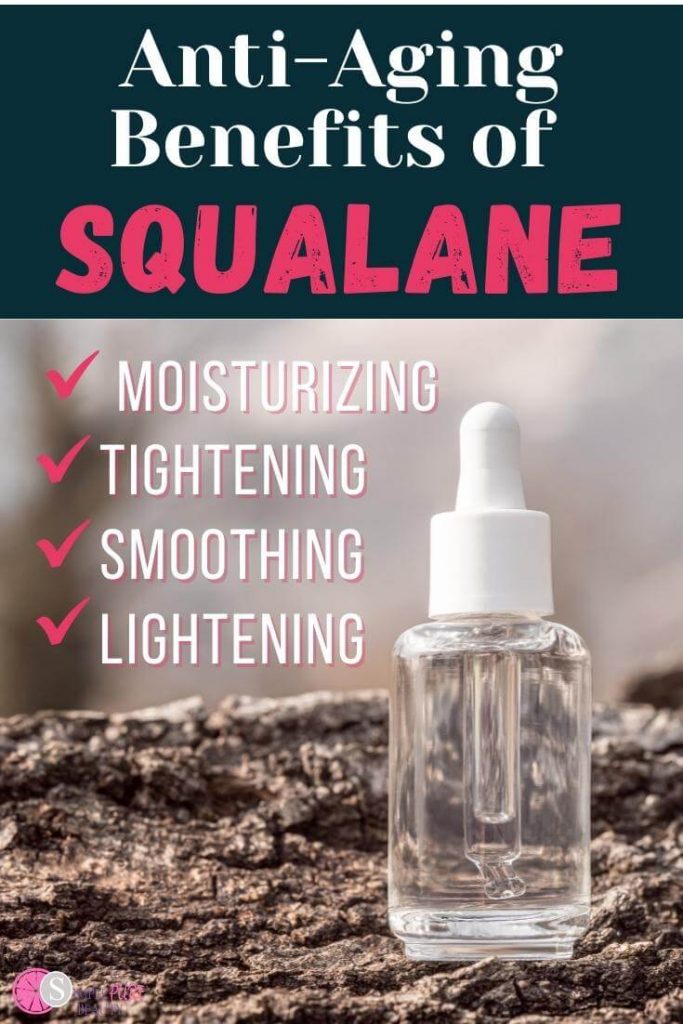
The benefits of squalane can be seen across the board. Here are some of the many benefits:
- Natural emollient
- Moisturizer
- Comfort for sensitive skin
- Anti-aging
- Protecting
- Balancing
Emollient
This oil’s natural emollient properties make it a great choice for anyone who needs to increase skin hydration.
It also helps reduce transepidermal water loss across the skin's barrier, helping your skin use the moisture in the air to stay hydrated.
Comfort for sensitive skin
Squalane is a generally gentle, well-tolerated emollient that may help reactive or easily irritated skin feel more comfortable. If you are looking for skincare for redness-prone skin, individual tolerance and the complete formula still matter. Squalane should not be treated as a treatment for diagnosed skin conditions.
I’ve personally used squalane on my sensitive skin without any issues. Of course, everyone’s skin is different, so I still recommend patch testing when trying a new ingredient or product.
Anti-aging
Squalane is also well-known for its anti-aging effects; it can help reduce the appearance of fine lines and wrinkles as well as plump skin.
Is squalane an antioxidant?
Unlike its unsaturated precursor squalene, squalane is not generally treated as a direct-acting antioxidant. Its main skincare role is as a stable emollient that supports moisture and softness. It does not provide SPF or replace sunscreen.
Balancing
Squalane can help support moisture balance and comfort in dry or oily skin. Individual response varies, and it should not be treated as a remedy for skin disorders.
Because squalane is so similar to skin’s natural lipids and oils, our bodies are able to use it more readily than some other ingredients.
When should you use squalane?
This powerhouse ingredient can easily be incorporated into almost any skincare routine and can be used on various skin types, including those with sensitive skin.
Squalane is generally considered unlikely to clog pores, but individual response varies and the complete finished formulation matters. Apply squalane oil or products containing it to clean skin.
Squalane is best applied to clean skin and before applying a moisturizer. Because it is so similar to skin’s natural oils, applying directly to skin before other products gives it a chance to absorb into skin and give you more of the benefits you are looking for!
Where to Buy Quality Squalane Oil
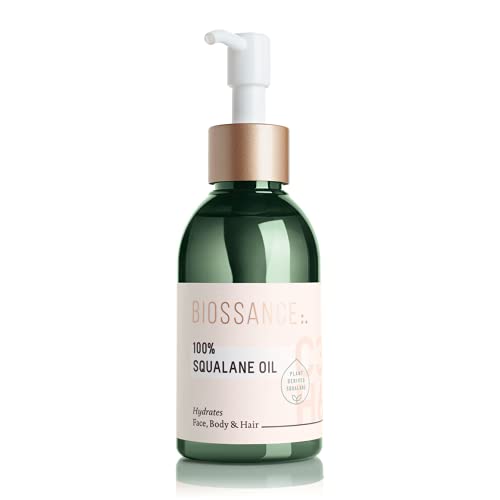
Biossance 100% Squalane Oil | Amazon
Sustainable, Pure and Vegan Facial and Body Squalane Oil Derived from Sugarcane. Weightless and Fast Absorbing Hydration
Olive Squalane
Squalane is a hydrogenated version of olive oil squalene, made to be more durable and non-oxidative. Squalene is present in human sebum and is supposed to lubricate and protect the skin.
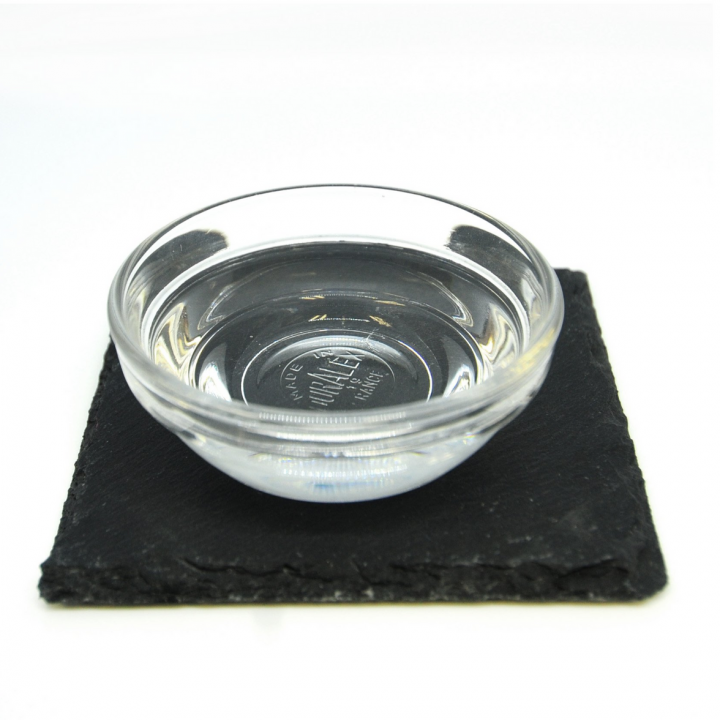
Neossance Squalane from Sugar
Neossance™ Squalane made by Amyris, a US firm that has developed a revolutionary process to create this GMO-free, sugar-based, ecologically green product that previously could only be obtained from shark liver or olive oil.
Squalane FAQs
Is squalane the same as squalene?
No. Squalene is the naturally occurring, unsaturated precursor found in human sebum and source materials such as olives. Cosmetic squalane is made by hydrogenating squalene into a saturated, more oxidation-stable ingredient. They are closely related, but they are not the same ingredient.
Do I use squalane before or after moisturizer?
In order for you to get the most benefits from adding squalane into your routine, we recommend applying it before you apply your moisturizer.
Can I use squalane and hyaluronic acid together?
Yes! Using squalane and hyaluronic acid together makes for a wonderful anti-aging combination. Both of these ingredients are great skin moisturizers and help reduce signs of aging while plumping and nourishing skin.
Is squalane good for older skin?
Squalane can help dehydrated skin look and feel more moisturized and supple. Improved hydration may soften the appearance of fine lines and give skin a smoother, more youthful-looking appearance.
Can I use too much squalane?
There is such as thing as too much of a good thing! While squalane is a wonderful ingredient, it is important to use it in moderation alongside your other natural skincare products. Overusing any ingredient or oil can lead to skin irritation and clogged pores.
Can you use squalane oil under eyes?
Squalane can help the delicate under-eye area feel more hydrated and comfortable, which may soften the look of dryness-related fine lines. It should not be expected to get rid of fine lines or reduce puffiness.
Does squalane lighten skin?
Squalane does not have proven skin-lightening properties on its own and should not be used to treat dark spots or reverse UV damage. What it can do is support the skin’s moisture barrier and softness, helping skin look and feel smoother and more hydrated.
Wrapping things up
All-in-all squalane is a pretty impressive ingredient that can easily be added to your routine to boost your skin. Plant-derived cosmetic squalane is one option; natural skincare carrier oils contain its precursor, squalene, rather than being the same as processed squalane.
If you enjoyed learning all about squalane, be sure to pin this post for later!